
The Science of Happiness: 25 Daily Habits That Naturally Improve Your Mood

📋 Table of Contents
- What does it truly mean to be happy?
- Emotional Happiness
- Life Satisfaction
- 1. Chronic Stress
- 2. Poor Sleep
- 3. Constant Comparison
- 4. Doomscrolling
- 5. Negative Thinking
- 6. Isolation
- 7. Lack of Exercise
- 8. Poor Diet
- 9. Burnout
- 10. Perfectionism
- Myth 1: Money Buys Happiness
- Myth 2: Happy People Never Feel Sad
- Myth 3: Success Guarantees Happiness
- Myth 4: Happiness Is Permanent
- Myth 5: You Must Stay Positive All the Time
- Can Happiness Be Learned?
- How Long Does It Take to Become Happier?
- Does Exercise Improve Mood?
- Which Foods Improve Mood?
- Can Sleep Affect Happiness?
- Is Social Media Making Us Unhappy?
What does it truly mean to be happy?
For many people, happiness is the ultimate goal. Whether it’s earning a promotion, spending time with loved ones, traveling the world, or simply enjoying a quiet morning with a cup of coffee, nearly everything we do is motivated by the hope that it will make us feel happier.
Yet happiness isn’t simply about smiling all the time or avoiding life’s challenges. Every person experiences disappointment, sadness, stress, and frustration. These emotions are a normal part of being human. True happiness is about building a life where positive emotions, meaningful relationships, purpose, and resilience outweigh temporary setbacks.
In recent decades, scientists have devoted significant attention to understanding happiness. Researchers in psychology, neuroscience, and medicine have discovered that happiness is not just an emotion—it is closely connected to our physical health, brain function, relationships, productivity, and overall quality of life.
The encouraging news is that happiness isn’t determined solely by luck, personality, or circumstances. While some factors are beyond our control, many daily habits can influence how we feel. Small, consistent actions—such as exercising, practicing gratitude, sleeping well, nurturing relationships, and spending time outdoors—can gradually improve our emotional well-being.
In this guide, you’ll discover what happiness really means, how your brain creates positive emotions, why happiness is important for both mental and physical health, and the science-backed habits that can help you build a happier, healthier life.
Why Everyone Wants to Be Happier
Across cultures and generations, people consistently rank happiness among their most important life goals. We naturally seek experiences that bring joy, comfort, connection, and meaning.
Being happier isn’t just about feeling good in the moment. Happiness can influence many areas of life, including:
- How we handle stress
- How we build relationships
- Our motivation to achieve goals
- Our physical health
- Our work performance
- Our creativity
- Our resilience during difficult times
Imagine two people facing the same challenge. One sees it as an impossible obstacle, while the other views it as an opportunity to learn and grow. Although both experience stress, the second person is often better equipped to recover emotionally. This ability to adapt is one reason why happiness is associated with resilience.
People who regularly experience positive emotions may also be more likely to engage in healthy behaviors, maintain supportive friendships, and care for their overall well-being.
It’s important to remember that happiness doesn’t eliminate life’s difficulties. Instead, it helps provide the emotional resources needed to navigate them.
Can Happiness Be Learned?

One of the most exciting discoveries in modern psychology is that happiness is not fixed. While genetics and life circumstances influence how we feel, researchers suggest that many aspects of happiness can be developed through intentional habits and behaviors.
Think of happiness like physical fitness. Some people may naturally find exercise easier than others, but almost everyone can become stronger through consistent practice. The same principle applies to emotional well-being.
Habits such as:
- Practicing gratitude
- Exercising regularly
- Building meaningful relationships
- Getting enough sleep
- Helping others
- Managing stress
- Practicing mindfulness
can all contribute to greater happiness over time.
Rather than chasing perfect circumstances, many experts encourage focusing on habits that support long-term well-being. Small improvements practiced consistently often have a greater impact than occasional major changes.
What Science Says About Happiness
For many years, psychology focused primarily on understanding mental illness and emotional difficulties. While this research remains essential, scientists also began asking another important question:
What helps people thrive?
This question gave rise to the field of positive psychology, which explores the factors that contribute to human flourishing. Researchers have found that happiness is influenced by a combination of factors, including:
- Genetics
- Physical health
- Sleep quality
- Relationships
- Physical activity
- Nutrition
- Purpose and meaning
- Gratitude
- Mindfulness
- Acts of kindness
Rather than viewing happiness as a single emotion, scientists now understand it as a combination of positive emotions, meaningful experiences, supportive relationships, accomplishment, and personal growth.
This broader understanding reminds us that happiness isn’t about avoiding every negative emotion. It’s about creating a life where positive experiences and meaningful connections become more common.
Why Happiness Matters for Mental and Physical Health
Happiness affects much more than your mood. Research suggests that people who experience greater emotional well-being often make healthier lifestyle choices and may cope more effectively with everyday challenges. Positive emotions can encourage behaviors such as:
- Exercising regularly
- Eating balanced meals
- Maintaining social relationships
- Sleeping well
- Seeking help when needed
These habits contribute to better overall health. Happiness also supports emotional resilience. Instead of eliminating stress, positive emotions can help people recover more effectively after difficult experiences. Building happiness isn’t selfish; it’s an investment in your long-term health and quality of life.
What Is Happiness?
Although happiness means different things to different people, psychologists generally describe it as a combination of positive emotions and satisfaction with life.
Happiness includes moments of joy, excitement, gratitude, contentment, hope, love, and peace. It also includes feeling that your life has purpose and meaning. Rather than depending on one major achievement, happiness often develops through countless small experiences repeated over time.
Examples include:
- Sharing dinner with family.
- Walking in nature.
- Helping a friend.
- Reading a good book.
- Completing an important goal.
- Laughing with coworkers.
- Watching a beautiful sunset.
These everyday moments gradually shape overall life satisfaction.
Emotional Happiness vs. Life Satisfaction
Although people often use these terms interchangeably, psychologists distinguish between them.
Emotional Happiness
This refers to the positive emotions you experience in daily life.
Examples include:
- Joy
- Gratitude
- Excitement
- Calmness
- Hope
- Love
These emotions may change throughout the day depending on your experiences.
Life Satisfaction
Life satisfaction reflects how you evaluate your life overall. It involves questions such as:
- Am I living according to my values?
- Do I have meaningful relationships?
- Do I feel fulfilled?
- Am I growing as a person?
Someone may have a stressful week while still feeling deeply satisfied with their overall life. Likewise, temporary excitement doesn’t always translate into lasting happiness. Both emotional happiness and life satisfaction contribute to overall well-being.
Temporary Pleasure vs. Lasting Happiness
Pleasure and happiness are related, but they aren’t identical. Pleasure is usually short-lived. Examples include:
- Eating your favorite dessert.
- Buying a new phone.
- Watching a funny movie.
- Receiving a compliment.
These experiences feel enjoyable but often fade quickly. Lasting happiness comes from experiences that provide deeper meaning and fulfillment. Examples include:
- Maintaining close friendships.
- Learning new skills.
- Helping others.
- Achieving meaningful goals.
- Living according to your values.
- Spending quality time with loved ones.
While temporary pleasures certainly have a place in life, lasting happiness usually grows from consistent habits and meaningful experiences rather than constant excitement.
The Science Behind Happiness
Scientists have learned that happiness involves complex communication between different regions of the brain and several important chemical messengers known as neurotransmitters. These chemicals help regulate mood, motivation, reward, connection, and emotional well-being.
Although happiness cannot be reduced to just a few chemicals, understanding these neurotransmitters helps explain why healthy habits can influence mood.
Positive Psychology Explained
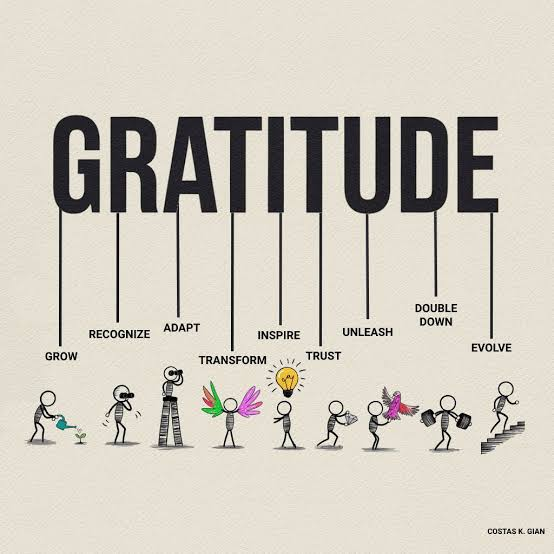
Positive psychology is the scientific study of what helps individuals and communities thrive.Instead of focusing only on illness or problems, positive psychology explores strengths such as:
- Gratitude
- Optimism
- Resilience
- Kindness
- Purpose
- Hope
- Meaningful relationships
Researchers have found that practicing these strengths may contribute to greater emotional well-being and improved life satisfaction. Positive psychology doesn’t encourage ignoring negative emotions. Instead, it recognizes that happiness includes developing the skills needed to navigate life’s challenges while continuing to grow.
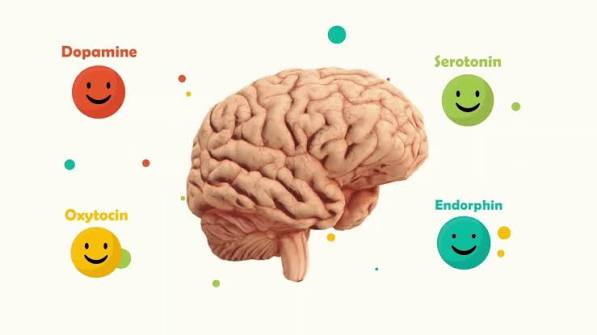
Dopamine: The Motivation Chemical
Dopamine plays an important role in motivation, learning, and reward. When you accomplish a goal, learn something new, or complete a meaningful task, dopamine helps reinforce that behavior. Healthy ways to support your brain’s reward system include:
- Completing small goals
- Exercising
- Learning new skills
- Celebrating progress
- Maintaining healthy routines
Serotonin: Supporting Mood and Emotional Balance
Serotonin is involved in regulating mood, sleep, appetite, and overall emotional well-being. Healthy habits associated with serotonin production include:
- Regular exercise
- Spending time outdoors
- Eating a balanced diet
- Maintaining healthy sleep habits
- Building positive social connections
Oxytocin: The Connection Chemical
Oxytocin is associated with trust, bonding, and social connection. Activities that encourage positive relationships include:
- Spending time with family
- Hugging loved ones
- Helping others
- Showing kindness
- Building meaningful friendships
Strong social relationships remain one of the most consistent predictors of long-term happiness.
Endorphins: The Feel-Good Chemicals
Endorphins are natural chemicals released during activities such as exercise, laughter, dancing, and enjoyable physical movement. They help improve mood and contribute to feelings of well-being. Even a brisk walk or sharing a genuine laugh with friends can support emotional wellness.
How the Brain Creates Positive Emotions
Your brain doesn’t rely on a single “happiness center.” Instead, positive emotions emerge from networks of brain regions working together with neurotransmitters, memories, thoughts, and experiences.
Healthy daily habits such as getting enough sleep, staying active, managing stress, eating nutritious foods, and nurturing relationships support these systems and make it easier to experience positive emotions over time.
Rather than chasing happiness through one major event, building a lifestyle that supports your brain is often the most sustainable approach.
Benefits of Being Happier

Cultivating happiness offers benefits that extend far beyond feeling good. Positive emotional well-being influences many aspects of daily life.
Research suggests happier people often experience:
- Better mental health: Greater resilience and healthier ways of coping with life’s challenges.
- Lower stress: Positive emotions can help the body recover more effectively after stressful situations.
- Improved relationships: Happier individuals often communicate more openly and maintain stronger social connections.
- Better sleep: Healthy emotional well-being is closely linked with more restful sleep.
- Increased productivity: A positive mindset can improve motivation, creativity, and focus.
- Stronger immune function: Healthy lifestyle habits associated with happiness support overall wellness.
- Better heart health: Managing stress and maintaining healthy routines may benefit cardiovascular health.
- Longer life expectancy: Studies have found associations between higher well-being and healthier aging, although many lifestyle factors contribute to longevity.
Happiness isn’t about living a perfect life. It’s about creating daily habits that help you feel more connected, resilient, and fulfilled over time.
25 Daily Habits That Naturally Improve Your Mood
Happiness isn’t something that appears overnight or depends on achieving a perfect life. Instead, it is built through small, consistent habits that support both your mental and physical well-being. Research in psychology and neuroscience suggests that simple daily actions such as getting enough sleep, exercising, nurturing relationships, and practicing gratitude can gradually improve your mood and help you become more resilient to life’s challenges.
The good news is that you don’t need to change everything at once. Even adopting one or two positive habits can make a meaningful difference over time. Below are 25 science-informed habits that can naturally support a happier, healthier life.
1. Practice Gratitude
Gratitude is one of the most researched habits in positive psychology. Taking time to appreciate the good things in your life can help shift your focus away from problems and toward positive experiences. You don’t have to wait for major achievements to feel grateful. Small moments like enjoying a warm cup of coffee, receiving a kind message, or watching a beautiful sunset can all become meaningful sources of gratitude.
A simple habit is to write down three things you’re thankful for every evening. Over time, this practice trains your brain to notice more positive experiences throughout the day.
2. Get Enough Sleep
Quality sleep is essential for emotional well-being. While you sleep, your brain processes memories, regulates emotions, and restores the energy needed for learning, decision-making, and concentration. Adults generally benefit from 7 to 9 hours of sleep each night. Improve your sleep by:
- Going to bed at the same time every night
- Keeping your bedroom cool, dark, and quiet
- Limiting screen time before bed
- Avoiding large amounts of caffeine late in the day
A well-rested brain is better prepared to manage stress and maintain a positive mood.
3. Exercise Regularly
Exercise benefits much more than your muscles, it also supports your brain. Physical activity encourages the release of endorphins, often called the body’s “feel-good” chemicals, which contribute to improved mood and reduced stress. Regular exercise can also boost confidence, improve sleep, and increase energy levels.
You don’t have to join a gym. Activities like brisk walking, cycling, dancing, swimming, yoga, or strength training can all support emotional well-being. Aim for at least 150 minutes of moderate exercise each week.
4. Spend Time Outside

Nature has a calming effect on the mind. Spending time outdoors can reduce feelings of stress, improve concentration, and encourage relaxation. Whether it’s walking through a park, sitting under a tree, hiking a trail, or simply enjoying fresh air, spending time in green spaces gives your brain a welcome break from busy environments and constant screen exposure. Even 20–30 minutes outdoors several times a week can make a difference.
5. Build Meaningful Relationships
Humans are naturally social. Supportive relationships provide comfort during difficult times and make joyful moments even more meaningful. Building strong relationships doesn’t require having hundreds of friends. Instead, focus on maintaining a few genuine connections built on trust, kindness, and mutual support. Simple ways to strengthen relationships include:
- Calling a family member
- Meeting a friend for coffee
- Spending quality time with loved ones
- Listening attentively during conversations
- Expressing appreciation

Meaningful relationships are consistently linked with greater happiness and life satisfaction.
6. Smile More Often
Smiling is a natural part of positive social interactions. While smiling isn’t a solution to life’s challenges, genuine smiles can contribute to pleasant social experiences and may help create a more positive atmosphere.
Smile when greeting people, thanking someone, or enjoying moments that naturally make you happy. Authenticity matters more than forcing yourself to smile constantly.
7. Laugh Every Day
Laughter brings people together and helps lighten difficult moments. Watching a comedy, sharing funny stories with friends, playing with children, or enjoying humorous books and podcasts can all add more laughter to your day. Moments of laughter may temporarily reduce tension and help improve your mood.
8. Practice Mindfulness
Mindfulness means paying attention to the present moment without judging your thoughts or emotions. Instead of worrying about yesterday or tomorrow, mindfulness encourages you to focus on what’s happening right now. You can practice mindfulness while:
- Walking
- Eating
- Drinking tea
- Washing dishes
- Breathing quietly
Even five minutes of mindful breathing can help you feel calmer and more focused.
9. Meditate
Meditation gives your mind an opportunity to slow down. You don’t need to empty your mind completely. Simply sitting quietly while focusing on your breathing for 10–15 minutes can support relaxation and emotional balance. Many beginners enjoy guided meditation apps or calming audio recordings.
10. Eat Nutritious Foods

Your brain depends on a steady supply of nutrients to function well. Choose meals that include:
- Fruits
- Vegetables
- Whole grains
- Lean protein
- Healthy fats
- Nuts
- Seeds
Eating balanced meals throughout the day helps maintain steady energy and supports overall brain health.
11. Stay Hydrated
Water plays an essential role in nearly every function of the body, including brain function. Even mild dehydration can affect concentration, memory, and alertness. Carry a reusable water bottle and drink water regularly throughout the day.
12. Listen to Music
Music can influence emotions and create a calming environment. Create playlists for different situations:
- Relaxing evenings
- Studying
- Exercising
- Morning motivation
- Stress relief
Listening to music you enjoy can become a simple daily mood booster.
13. Help Others
Acts of kindness benefit both the person receiving help and the person offering it. Simple examples include:
- Holding a door open
- Donating to charity
- Volunteering
- Helping a coworker
- Complimenting someone sincerely
Helping others often strengthens social connections and adds a sense of purpose to everyday life.
14. Limit Social Media
Social media can be entertaining and informative, but excessive use may leave some people feeling overwhelmed or constantly comparing themselves to others.

Consider:
- Turning off unnecessary notifications
- Setting daily time limits
- Taking screen-free breaks
- Avoiding social media before bed
Using technology intentionally helps create more space for real-life experiences.
15. Read Books
Reading gives your brain a break from constant digital stimulation. Whether you enjoy fiction, biographies, or self-improvement books, reading encourages concentration, imagination, and lifelong learning. Replacing even 20 minutes of scrolling with reading can support relaxation.
16. Learn Something New
Learning stimulates the brain and builds confidence. Consider learning:
- A new language
- Cooking skills
- Photography
- Gardening
- Drawing
- Playing an instrument
Progress, not perfection is what matters.
17. Celebrate Small Wins
Many people focus only on large achievements while overlooking everyday successes. Take time to acknowledge small accomplishments, such as:
- Finishing a workout
- Completing a project
- Drinking enough water
- Reading a chapter of a book
- Preparing a healthy meal
Recognizing progress builds motivation.
18. Practice Self-Compassion
Treat yourself with the same kindness you would offer a close friend. Instead of saying:
“I’m a failure.”
Try saying:
“I’m learning, and everyone makes mistakes.”
Self-compassion supports emotional resilience and encourages healthy growth.
19. Set Realistic Goals
Large goals become less overwhelming when broken into smaller steps. Rather than trying to change everything at once, focus on achievable daily actions. For example:
Instead of saying,
“I’ll completely transform my life this month.”
Try,
“I’ll walk for 20 minutes after dinner three times this week.”
Small successes build momentum.
20. Keep a Journal
Writing your thoughts helps organize emotions and reduce mental clutter. Your journal might include:
- Gratitude lists
- Daily reflections
- Goals
- Personal achievements
- Lessons learned
There is no right or wrong way to journal.
21. Reduce Negative Self-Talk
The way you speak to yourself influences how you feel. Notice unhelpful thoughts such as:
- “I’m not good enough.”
- “I’ll never succeed.”
Challenge them with more balanced statements like:
- “I’m improving every day.”
- “This is difficult, but I can learn.”
Replacing harsh self-criticism with realistic encouragement supports emotional well-being.
22. Declutter Your Space
A cluttered environment can sometimes make it harder to focus. Spend a few minutes each day organizing:
- Your desk
- Bedroom
- Kitchen
- Digital files
A tidy space often creates a greater sense of calm and control.
23. Spend Time With Pets
If you have a pet, spending time together can be a joyful part of your day. Walking a dog, playing with a cat, or simply sitting quietly with a pet may help reduce feelings of loneliness while encouraging relaxation and routine.
24. Create a Relaxing Evening Routine
How you end your day influences how you begin the next one. A calming evening routine might include:
- Reading
- Stretching
- Meditation
- Herbal tea
- Journaling
- Turning off electronic devices
Consistent bedtime habits support better sleep and emotional recovery.
25. Make Time for Hobbies

Hobbies provide opportunities to relax, express creativity, and enjoy activities without the pressure of productivity. Consider hobbies such as:
- Painting
- Gardening
- Baking
- Photography
- Knitting
- Music
- Hiking
- Crafting
Making time for activities you genuinely enjoy can add meaning and balance to everyday life.
Bringing These Habits Together
You don’t need to practice all 25 habits every day to experience their benefits. Start by choosing two or three that feel realistic and enjoyable, then gradually build from there. Over time, these small, consistent actions can strengthen your emotional well-being, improve your mood, and help you create a happier, healthier life.

Habits That Can Reduce Happiness, Common Myths, and How to Create Your Own Happiness Routine

Even the happiest people experience difficult days. Feeling stressed, disappointed, or sad from time to time is a normal part of life. However, certain daily habits can gradually reduce your overall happiness if they become part of your routine.
Recognizing these habits is the first step toward replacing them with healthier alternatives that support long-term emotional well-being.
Habits That Can Reduce Happiness
1. Chronic Stress
Stress is a normal response to challenges, but when it becomes constant, it can affect both your mental and physical health. Long-term stress may leave you feeling emotionally exhausted, reduce motivation, interfere with sleep, and make it harder to enjoy everyday life. Healthy stress management techniques such as exercise, mindfulness, deep breathing, and taking regular breaks can help your mind recover.
2. Poor Sleep

Sleep is one of the most important foundations of emotional well-being. When you consistently get too little sleep or experience poor-quality sleep, you may notice:
- Increased irritability
- Difficulty concentrating
- Reduced patience
- Lower energy
- Mood changes
Aim for 7–9 hours of quality sleep each night and maintain a consistent bedtime routine whenever possible.
3. Constant Comparison
Comparing yourself to others, especially on social media can make it easy to overlook your own progress. Everyone’s journey is different. Instead of comparing your life to someone else’s highlight reel, focus on your own goals, values, and achievements. Celebrate your personal growth rather than measuring success against others.
4. Doomscrolling
Doomscrolling refers to spending long periods reading negative news or endlessly scrolling through social media. Although staying informed is important, constant exposure to distressing content may increase feelings of stress and anxiety. Try setting limits on news consumption and replacing some screen time with activities that genuinely help you recharge.
5. Negative Thinking
Everyone experiences negative thoughts occasionally, but repeatedly expecting the worst or criticizing yourself harshly can affect your emotional well-being. When you notice negative self-talk, ask yourself:
- Is this thought completely true?
- What evidence supports it?
- What would I say to a friend in this situation?
Replacing extreme thoughts with balanced perspectives can improve resilience over time.
6. Isolation
Humans are naturally social. Spending long periods without meaningful interaction may contribute to feelings of loneliness. Even brief conversations with family, friends, neighbors, or coworkers can strengthen your sense of connection. Quality relationships often matter more than having a large number of acquaintances.
7. Lack of Exercise
Physical activity benefits both the body and the mind. A sedentary lifestyle may contribute to lower energy levels and reduced motivation. Regular movement whether it’s walking, cycling, dancing, yoga, or strength training supports emotional well-being while improving overall health.
8. Poor Diet
The foods you eat influence your energy, concentration, and overall health. A diet that relies heavily on highly processed foods, sugary snacks, and sugary drinks may leave you feeling sluggish. Instead, choose balanced meals that include fruits, vegetables, whole grains, lean proteins, healthy fats, nuts, and seeds.
9. Burnout
Burnout develops after prolonged periods of stress without enough recovery. Common signs include:
- Constant exhaustion
- Feeling emotionally drained
- Reduced motivation
- Difficulty concentrating
- Feeling detached from work or responsibilities
Recovery often involves improving work-life balance, setting healthy boundaries, and making time for rest.
10. Perfectionism
Trying to make everything perfect can become emotionally exhausting. Perfectionism often leads to:
- Fear of making mistakes
- Procrastination
- Self-criticism
- Constant dissatisfaction
Instead of aiming for perfection, focus on steady progress. Done is often better than perfect.
Happiness Myths
There are many misconceptions about happiness. Understanding the facts can help you develop healthier expectations.
Myth 1: Money Buys Happiness
Money can improve comfort, security, and access to opportunities, but it doesn’t automatically create lasting happiness. Research suggests that factors such as meaningful relationships, purpose, good health, and gratitude play an important role in long-term well-being.
Myth 2: Happy People Never Feel Sad
Everyone experiences difficult emotions. Happiness doesn’t mean avoiding sadness, disappointment, grief, or frustration. Instead, emotionally healthy people learn to acknowledge these emotions while continuing to move forward.
Myth 3: Success Guarantees Happiness
Many people believe:
“Once I get promoted…”
“Once I buy a house…”
“Once I earn more money…”
“Then I’ll finally be happy.”
While achievements can certainly bring satisfaction, happiness usually depends more on daily habits, meaningful relationships, and overall life balance than on any single accomplishment.
Myth 4: Happiness Is Permanent
No one feels happy all the time. Emotions naturally change throughout the day and across different stages of life. Experiencing occasional sadness or stress doesn’t mean you’re failing, it means you’re human.
Myth 5: You Must Stay Positive All the Time
Sometimes people believe they should never feel negative emotions. In reality, constantly forcing yourself to “stay positive” can prevent you from processing genuine feelings. Healthy emotional well-being means allowing yourself to experience the full range of emotions while responding to them in constructive ways.
How to Create Your Own Happiness Routine
Building happiness isn’t about following a complicated program. It’s about creating simple routines that support your emotional well-being every day. Here is an example of a balanced daily routine you can adapt to your lifestyle.
Morning Happiness Routine
How you start your morning often influences the rest of your day. Consider:
✅ Wake up at a consistent time.
✅ Drink a glass of water.
✅ Spend 10–15 minutes in natural sunlight.
✅ Stretch or take a short walk.
✅ Eat a nutritious breakfast.
✅ Write down three things you’re grateful for.
✅ Set three realistic priorities for the day.
✅ Avoid checking social media immediately after waking up.
Starting your day calmly helps create a positive mindset before work, school, or other responsibilities begin.
Afternoon Happiness Routine

The middle of the day is an opportunity to recharge instead of pushing through exhaustion. Healthy afternoon habits include:
✅ Take a short walk during lunch.
✅ Eat a balanced meal.
✅ Drink enough water.
✅ Stretch every hour if you sit for long periods.
✅ Step outside for fresh air.
✅ Practice one minute of deep breathing between tasks.
✅ Celebrate small accomplishments before moving to your next task.
These simple breaks help reduce mental fatigue while maintaining productivity.
Evening Happiness Routine

Your evening routine prepares both your body and mind for restful sleep. Try creating a relaxing routine that includes:
✅ Finish work at a consistent time.
✅ Reduce screen time one hour before bed.
✅ Read a book.
✅ Write in your journal.
✅ Reflect on one positive moment from the day.
✅ Practice mindfulness or meditation.
✅ Prepare your clothes or to-do list for tomorrow.
✅ Go to bed at the same time each night.
Ending your day peacefully gives your brain an opportunity to recover and prepares you for a more positive tomorrow.
Frequently Asked Questions, Weekly Happiness Checklist, Conclusion, and Internal Linking
As you’ve learned throughout this guide, happiness isn’t a destination you reach once and keep forever. It’s something you build through daily choices, healthy habits, supportive relationships, and a mindset that allows room for both joy and life’s inevitable challenges.
Before we wrap up, let’s answer some of the most common questions people have about happiness, review a practical weekly checklist, and summarize the most important lessons from this guide.
Frequently Asked Questions
Can Happiness Be Learned?
Yes. While genetics, personality, and life circumstances all influence happiness, research in positive psychology suggests that many aspects of happiness can be developed through intentional daily habits.
Activities such as practicing gratitude, exercising regularly, building meaningful relationships, getting enough sleep, managing stress, and helping others can gradually improve emotional well-being over time.
Think of happiness like physical fitness. Some people naturally find it easier to stay active, but almost everyone can become healthier through consistent practice. The same principle applies to emotional well-being.
How Long Does It Take to Become Happier?
There isn’t a single timeline because everyone’s life circumstances and habits are different. Some people notice small improvements in mood after only a few days of better sleep, regular exercise, or gratitude journaling. For others, meaningful changes may take weeks or months of consistent effort.
The important thing is consistency rather than perfection. Small improvements practiced every day often produce greater long-term results than dramatic lifestyle changes that are difficult to maintain.
Does Exercise Improve Mood?
Yes. Regular physical activity is strongly associated with improved mood and better overall mental well-being. Exercise encourages the release of endorphins and supports healthy brain function. It may also help reduce stress, improve sleep quality, boost confidence, and increase daily energy.
You don’t need intense workouts to experience these benefits. Walking, swimming, cycling, yoga, dancing, and strength training are all excellent choices. Aim for at least 150 minutes of moderate physical activity each week.
Which Foods Improve Mood?
A balanced, nutrient-rich diet supports both brain function and overall health. Foods commonly associated with healthy brain function include:
- Fatty fish like salmon and sardines
- Eggs
- Leafy green vegetables
- Berries
- Whole grains
- Yogurt and fermented foods
- Nuts and seeds
- Avocados
- Beans and lentils
- Plenty of water
Rather than focusing on one “superfood,” aim for a varied diet filled with whole, minimally processed foods.
Can Sleep Affect Happiness?
Absolutely. Sleep plays a vital role in regulating emotions, processing memories, and restoring the brain. Poor sleep may contribute to:
- Irritability
- Low motivation
- Difficulty concentrating
- Increased stress
- Reduced emotional resilience
Most adults benefit from 7–9 hours of quality sleep each night. Creating a relaxing bedtime routine and maintaining a consistent sleep schedule are two of the most effective ways to support emotional well-being.
Is Social Media Making Us Unhappy?
Social media itself isn’t inherently harmful, but excessive or unmindful use may affect mood for some people. Constant comparison, endless scrolling, and exposure to negative content can contribute to feelings of stress or dissatisfaction. Healthy habits include:
- Setting daily screen-time limits.
- Following accounts that inspire rather than discourage you.
- Taking regular digital detoxes.
- Spending more time on real-life relationships and hobbies.
Technology should support your well-being, not replace meaningful human connection.
Weekly Happiness Checklist
Use this checklist every week to build healthy habits that naturally support your mood and overall well-being.
✅ Slept 7–9 hours most nights
✅ Exercised for at least 150 minutes this week
✅ Practiced gratitude every day
✅ Helped someone through an act of kindness
✅ Spent time outdoors
✅ Read a book or learned something new
✅ Limited unnecessary social media use
✅ Ate balanced, nutritious meals
✅ Drank enough water throughout the week
✅ Practiced mindfulness or meditation
✅ Connected with family or friends
✅ Took regular breaks from work or studying
✅ Spoke kindly to yourself
✅ Made time for a hobby you enjoy
✅ Celebrated at least one small success
Remember: You don’t need to check every box every week. Progress is more important than perfection, and even a few positive habits can make a meaningful difference over time.
Conclusion
Happiness isn’t about living a perfect life or feeling joyful every moment of every day. It’s about building a life that includes purpose, meaningful relationships, healthy habits, and the resilience to navigate challenges when they arise.
Science shows that happiness is influenced by many factors, but our daily choices matter. Getting enough sleep, eating nourishing foods, exercising regularly, spending time outdoors, practicing gratitude, strengthening relationships, and limiting unnecessary stress all contribute to better mental and physical well-being.
The most important lesson is that lasting happiness is rarely created by one big event. Instead, it grows through hundreds of small decisions repeated consistently over time. Every healthy meal, every walk outside, every conversation with a loved one, and every moment spent appreciating the good in your life helps build a stronger foundation for long-term happiness.
Instead of chasing perfection, focus on progress. Choose one or two habits from this guide and begin today. As those habits become part of your routine, gradually add more. Over time, these small changes can improve your mood, strengthen your resilience, and help you create a happier, healthier, and more fulfilling life.
Remember, happiness isn’t something you find, it’s something you practice.
You might also like

How to Stop Overthinking: The Complete Guide to Quieting Your Mind Naturally
📋 Table of Contents Part 1: Understanding Overthinking Reduced Productivity Increased Stress Mental Fatigue Poor Sleep…

Mental Fatigue: Why Your Brain Feels Exhausted (Even When You’re Not Physically Tired)
📋 Table of Contents Introduction Cognitive Symptoms Emotional Symptoms Physical Symptoms Behavioral Symptoms 1. Fatty Fish…

How Stress Affects Your Body and Mind: Understanding the Hidden Impact of Chronic Stress
📋 Table of Contents 1. Fatty Fish 2. Leafy Green Vegetables 3. Whole Grains 4. Nuts…