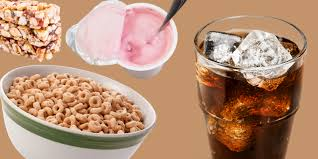
Walk through any supermarket today and you’ll notice that most of the shelves are filled with packaged, ready-to-eat foods. Brightly colored cereal boxes, frozen dinners, sugary drinks, snack bars, chips, cookies, flavored yogurts, and instant noodles have become everyday staples in many households. They’re convenient, affordable, and designed to fit into busy modern lifestyles.
But over the past few years, another phrase has become increasingly common in health news and nutrition discussions: ultra-processed foods. You may have seen headlines claiming that ultra-processed foods are linked to obesity, heart disease, type 2 diabetes, depression, or even a shorter lifespan. Social media often goes even further, suggesting that these foods should be eliminated completely.
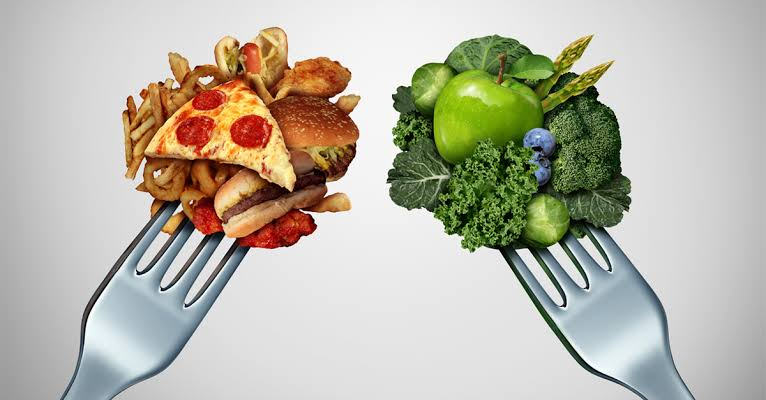
So, should you really avoid ultra-processed foods? Are they all harmful? Or is the truth more complicated? The answer lies somewhere in the middle. Not all food processing is bad. In fact, many forms of processing make food safer, more nutritious, and longer-lasting. Freezing vegetables, pasteurizing milk, or canning beans are all examples of food processing that can support a healthy diet.
Ultra-processed foods, however, are different. These products are typically made using multiple industrial processes and often contain ingredients that you wouldn’t normally use in a home kitchen, such as emulsifiers, flavor enhancers, colorings, preservatives, and sweeteners. While these ingredients help improve shelf life, taste, and texture, diets high in ultra-processed foods have been associated with poorer overall health outcomes in many observational studies.
It’s important to remember that these studies often show associations, not direct cause-and-effect relationships. Overall eating patterns, physical activity, sleep, stress, and other lifestyle factors also play major roles in long-term health. The goal of this guide isn’t to make you fear packaged foods or feel guilty about occasionally enjoying your favorite snack. Instead, you’ll learn what ultra-processed foods are, how they’re different from other processed foods, what current research says about their health effects, and practical ways to make healthier choices without aiming for perfection.
By the end of this article, you’ll know how to identify ultra-processed foods, understand food labels more confidently, and build a balanced eating pattern that supports your overall well-being.
Why Ultra-Processed Foods Have Become a Major Nutrition Topic
Nutrition science has changed significantly over the last few decades. In the past, conversations often focused on single nutrients such as fat, carbohydrates, or calories. Today, researchers are looking more closely at overall dietary patterns and the degree of food processing. This shift has brought increased attention to ultra-processed foods.
Modern diets in many countries include a large proportion of packaged and ready-to-eat products. For some people, these foods provide more than half of their daily calorie intake. Because of this, researchers have been studying whether diets high in ultra-processed foods are associated with long-term health outcomes.
Many studies suggest that people who consume higher amounts of ultra-processed foods tend to have a greater risk of obesity, cardiovascular disease, type 2 diabetes, and poorer overall diet quality. However, scientists continue to study whether the foods themselves, the nutrients they contain, or broader lifestyle patterns explain these findings. The important takeaway is not that every ultra-processed food is “bad,” but that whole, minimally processed foods should make up the foundation of most healthy eating patterns.
Why Are Ultra-Processed Foods So Common in Modern Diets?
If many health experts recommend eating more whole foods, why are ultra-processed foods everywhere? The answer is simple: they solve many everyday problems. Modern life is busy. Many people work long hours, commute, care for children, or have limited time to cook from scratch. Ready-made meals, packaged snacks, and frozen foods offer convenience when time is limited. Food manufacturers also invest heavily in making products that are:
Convenient
Affordable
Consistent in taste
Easy to prepare
Long-lasting
Widely available
As a result, supermarkets devote large sections to packaged foods that can stay fresh for weeks or even months. Marketing also plays a significant role. Attractive packaging, health claims, celebrity endorsements, and advertising campaigns encourage consumers to purchase these products. While convenience foods can certainly fit into a balanced lifestyle, relying on them for most meals may reduce your intake of fruits, vegetables, legumes, nuts, seeds, and whole grains; foods that provide fiber, vitamins, minerals, and other beneficial nutrients.
What Are Ultra-Processed Foods?
Ultra-processed foods are industrially manufactured products that are made mostly from substances extracted from foods or synthesized in laboratories rather than from whole food ingredients alone. These products often contain:
Added sugars
Refined starches
Highly refined oils
Salt
Artificial flavors
Flavor enhancers
Emulsifiers
Preservatives
Sweeteners
Colors
Stabilizers
Many are designed to be:
Ready to eat
Highly palatable
Convenient
Shelf-stable
Easy to market
This doesn’t automatically mean they’re unhealthy, but diets heavily based on these foods often provide less fiber and fewer essential nutrients than diets centered on whole foods.
Understanding the NOVA Food Classification System
To better understand food processing, researchers developed the NOVA classification system, which groups foods according to the degree and purpose of processing rather than simply their nutrient content. The system includes four categories.
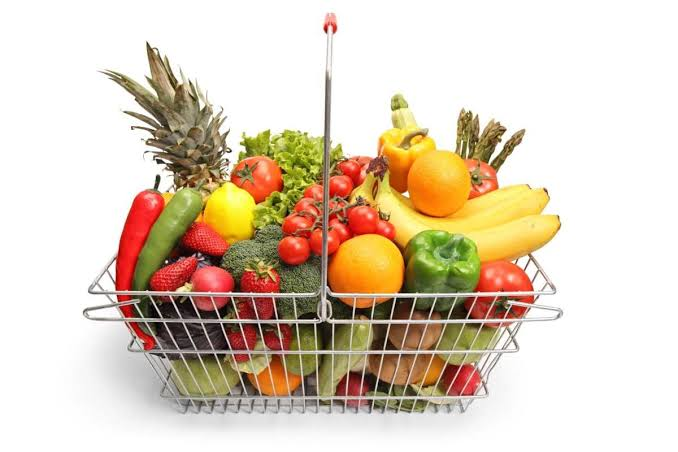
1. Unprocessed or Minimally Processed Foods
These foods are either in their natural state or have undergone minimal processing to make them safe or easier to store without substantially changing their nutritional value. Examples include:
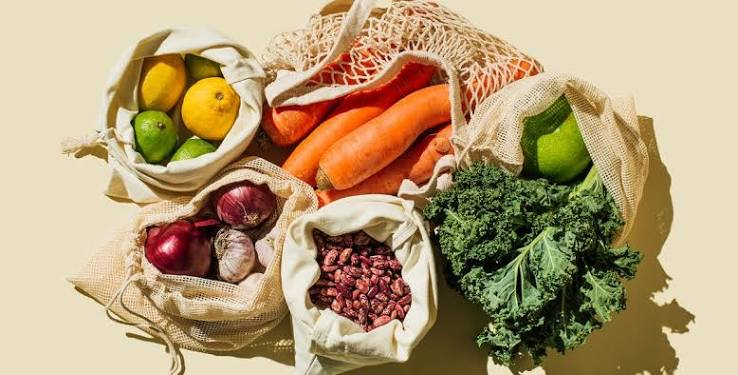
Fresh fruit
Vegetables
Eggs
Plain milk
Fish
Fresh meat
Beans
Lentils
Brown rice
Oats
Nuts
Seeds
These foods generally form the foundation of a healthy eating pattern.
2. Processed Culinary Ingredients
These are ingredients extracted from whole foods and typically used in home cooking. Examples include:
Olive oil
Butter
Salt
Sugar
Vinegar
These ingredients are usually combined with minimally processed foods to prepare meals.
3. Processed Foods
Processed foods are made by adding ingredients such as salt, oil, or sugar to minimally processed foods. Examples include:
Cheese
Canned vegetables
Canned fish
Fresh bread made with a few simple ingredients
Plain yogurt
Salted nuts
Many processed foods can absolutely be part of a balanced diet.
4. Ultra-Processed Foods
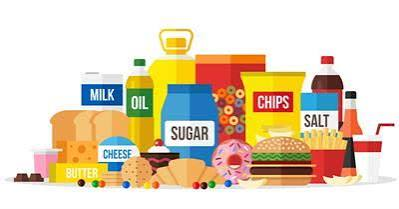
Ultra-processed foods are formulations made mostly from refined ingredients and additives, often containing little or no intact whole food. Common examples include:
Sugary breakfast cereals
Soft drinks
Packaged cookies
Candy
Instant noodles
Frozen ready meals
Chicken nuggets
Processed meats
Packaged pastries
Flavored chips
The distinction isn’t about whether a food comes in a package, it’s about how extensively it’s formulated and processed.
How Are Ultra-Processed Foods Made?
Unlike traditional cooking, ultra-processing typically involves multiple industrial techniques designed to create foods that are convenient, consistent, and appealing. Common manufacturing processes include:
Refining grains into fine flours
Extracting starches
Isolating proteins
Hydrogenating oils
Extrusion (used for many breakfast cereals and snacks)
Molding and reshaping ingredients
Flavor engineering
Manufacturers often combine these ingredients with additives that improve taste, appearance, texture, or shelf life.
Common Additives Found in Ultra-Processed Foods
Flavor enhancers: Intensify taste.
Emulsifiers: Help ingredients like oil and water stay mixed.
Artificial sweeteners: Provide sweetness with little or no sugar.
Preservatives: Extend shelf life.
Colors: Improve visual appeal.
Stabilizers and thickeners: Maintain texture and consistency.
These additives are approved for use by food safety authorities within established limits. However, researchers continue to investigate how frequent consumption of heavily ultra-processed diets may affect long-term health.
Why Are Ultra-Processed Foods So Popular?
Ultra-processed foods dominate supermarket shelves for several reasons.
Convenience
Many require no cooking and can be eaten immediately or prepared in just a few minutes.
Long Shelf Life
Special processing and preservatives allow products to stay fresh for weeks or months, reducing food waste.
Low Cost
Mass production often makes these foods less expensive than fresh ingredients on a per-serving basis.
Taste and Texture
Manufacturers carefully design products to be flavorful, crunchy, creamy, or sweet, making them highly appealing.
Heavy Marketing
Colorful packaging, advertising, influencer promotions, and health-related claims all increase their visibility and popularity.
These factors explain why ultra-processed foods are so common but they also highlight why building healthy eating habits often requires planning and mindful choices.
Ultra-processed foods are designed to be convenient, affordable, and enjoyable to eat. While there’s nothing wrong with eating them occasionally, research suggests that diets high in ultra-processed foods may be linked with a greater risk of several chronic health conditions. It’s important to understand that these effects are usually related to overall dietary patterns and frequent consumption, not to eating one packaged snack or frozen meal from time to time. Let’s explore how these foods may affect different parts of your body.
How Ultra-Processed Foods Affect Digestion
Your digestive system does much more than break down food. It also absorbs nutrients, supports your immune system, and houses trillions of beneficial microorganisms known as the gut microbiome. Many ultra-processed foods are lower in dietary fiber than whole foods like fruits, vegetables, legumes, and whole grains. Fiber plays an essential role in:
Supporting regular bowel movements
Feeding beneficial gut bacteria
Promoting feelings of fullness
Helping maintain healthy cholesterol levels
Supporting healthy blood sugar regulation
When your diet consistently lacks fiber, you may experience:
Constipation
Bloating
Slower digestion
Reduced gut microbiome diversity
Some ultra-processed foods also contain emulsifiers, stabilizers, and other additives. Researchers continue to investigate how some of these ingredients may interact with the gut microbiome and intestinal lining, but more human research is needed before firm conclusions can be drawn. The healthiest dietary patterns generally include plenty of fiber-rich whole foods alongside moderate amounts of processed foods.
Ultra-processed foods often contain refined carbohydrates and added sugars, which can be digested more quickly than high-fiber whole foods. Examples include:
Sugary breakfast cereals
White bread
Soft drinks
Candy
Sweet pastries
These foods may cause blood sugar to rise more rapidly after eating. In response, the pancreas releases insulin, a hormone that helps move glucose from the bloodstream into cells where it can be used for energy. Frequent consumption of meals that are high in added sugars and refined carbohydrates may make it more difficult for some people to maintain healthy blood sugar levels over time, especially when combined with physical inactivity and excess calorie intake. Whole foods such as oats, beans, vegetables, fruit, and whole grains usually digest more slowly because they contain fiber and other nutrients that help moderate the body’s response after meals.
Appetite and Satiety
Have you ever opened a bag of chips intending to eat a handful, only to realize you’ve finished most of the bag? You’re not alone. Many ultra-processed foods are designed to be extremely enjoyable to eat. Scientists sometimes refer to this as hyper-palatability, meaning foods are formulated with combinations of sugar, fat, salt, and refined carbohydrates that encourage continued eating. These foods may also provide less fiber and protein, two nutrients that contribute to satiety—the feeling of fullness after eating. As a result, you may:
Feel hungry again sooner
Eat larger portions
Snack more frequently
Consume more calories than intended
Whole foods generally require more chewing, contain more water and fiber, and promote greater fullness, making it easier for many people to regulate appetite naturally.
Gut Microbiome
Your gut contains trillions of bacteria, fungi, and other microorganisms that collectively make up the gut microbiome. These microbes help:
Digest certain foods
Produce beneficial compounds
Support immune function
Communicate with the brain
Maintain the intestinal barrier
A varied diet rich in vegetables, fruits, legumes, nuts, seeds, and whole grains provides the fiber that beneficial gut bacteria use as fuel. In contrast, diets that rely heavily on ultra-processed foods often contain less fiber and fewer plant foods, which may reduce microbial diversity over time. Scientists are also studying whether certain food additives, such as some emulsifiers, may influence the gut environment in ways that warrant further investigation. While early findings are interesting, more high-quality human studies are needed.
A healthy gut microbiome is supported by overall dietary diversity, not by avoiding one specific food.
Weight gain is influenced by many factors, including genetics, physical activity, sleep, stress, and overall calorie intake. Ultra-processed foods may make weight management more challenging because they are often:
High in calories
Easy to eat quickly
Less filling
Available in large portions
Widely accessible
Some research suggests that people may naturally consume more calories when eating diets rich in ultra-processed foods compared with diets based primarily on minimally processed foods. However, no single food causes weight gain on its own. What matters most is your long-term eating pattern and lifestyle. Replacing some ultra-processed snacks with more whole foods can improve nutrient intake and help many people feel fuller throughout the day.
Heart Health
A heart-healthy diet typically includes:
Fruits
Vegetables
Whole grains
Beans
Nuts
Fish
Healthy fats
Many ultra-processed foods contain higher amounts of:
Sodium
Added sugars
Saturated fat
Refined carbohydrates
Diets consistently high in these nutrients may contribute to factors that increase the risk of cardiovascular disease, including elevated blood pressure and unhealthy cholesterol levels. It’s not about eliminating every processed food. Instead, aim to build most meals around nutrient-rich foods while keeping highly processed foods as occasional additions.
Blood Pressure
Many packaged foods contain surprisingly high amounts of sodium. Examples include:
Instant noodles
Frozen meals
Processed meats
Packaged soups
Snack foods
Sodium plays an important role in the body, but consuming too much may contribute to elevated blood pressure in some individuals. Reading nutrition labels can help you compare products and choose lower-sodium options when available.
Metabolic health refers to how effectively your body regulates blood sugar, blood pressure, cholesterol, and body weight. Healthy habits that support metabolic health include:
Eating plenty of whole foods
Staying physically active
Sleeping well
Managing stress
Maintaining a balanced eating pattern
Diets that rely heavily on ultra-processed foods may make these goals more difficult because they often provide more calories and fewer beneficial nutrients.
The Science: What Research Shows
Nutrition research is complex. Most studies examining ultra-processed foods are observational studies. Researchers observe what people eat over time and compare dietary patterns with health outcomes. Many observational studies have found that people who consume more ultra-processed foods tend to have higher rates of:
Obesity
Type 2 diabetes
Cardiovascular disease
High blood pressure
Poor overall diet quality
However, it’s important to understand what these findings mean.
Association Does Not Always Mean Causation
When scientists say two things are associated, it means they occur together more often than expected. It does not automatically prove that one directly caused the other. People who eat large amounts of ultra-processed foods may also differ in other ways, such as:
Physical activity levels
Smoking habits
Sleep quality
Income
Stress
Access to healthcare
Researchers try to account for these factors, but they can’t eliminate every possible influence. This is why nutrition experts focus on overall dietary patterns rather than blaming one single food.
Overall Dietary Patterns Matter Most
Healthy eating isn’t about perfection. Someone who enjoys an occasional packaged snack while regularly eating vegetables, fruit, whole grains, legumes, lean proteins, and healthy fats is likely to have a different dietary pattern than someone whose meals consist mostly of sugary drinks, fast food, and packaged snacks. The evidence consistently supports dietary patterns rich in minimally processed plant foods rather than strict rules about never eating processed foods.
Potential Health Risks Linked to High Intake
Studies suggest that regularly consuming large amounts of ultra-processed foods may be associated with:
Obesity
Highly palatable foods, larger portion sizes, and lower satiety can make it easier to consume excess calories over time.
Type 2 Diabetes
Diets high in added sugars and refined carbohydrates may contribute to poorer blood sugar regulation in some individuals.
Cardiovascular Disease
Higher intakes of sodium, saturated fat, and lower intakes of protective nutrients may increase cardiovascular risk when these foods dominate the diet.
High Blood Pressure
Many processed meals and packaged snacks contain significant amounts of sodium, which can contribute to elevated blood pressure in susceptible individuals.
Digestive Issues
Low fiber intake may contribute to constipation, reduced gut microbiome diversity, and poorer digestive health.
Poor Diet Quality
Replacing whole foods with ultra-processed foods often means consuming fewer vitamins, minerals, fiber, and beneficial plant compounds.
Why Ultra-Processed Foods Can Be Easy to Overeat
One reason these foods receive so much attention is that they may encourage eating beyond hunger.
Hyper-Palatability
Manufacturers carefully combine sugar, fat, salt, and flavorings to create foods that are highly appealing.
Large Portion Sizes
Many packaged foods are sold in portions much larger than standard serving sizes, making it easy to consume more than intended.
Low Fiber
Foods low in fiber generally provide less lasting fullness than fiber-rich meals.
High Energy Density
Many ultra-processed foods provide a large number of calories in a relatively small volume, allowing people to consume significant energy before feeling full.
Convenience
Ready-to-eat foods require little preparation, making frequent snacking more likely for some people.
Fortunately, you don’t need to eliminate every ultra-processed food to eat well. Small, sustainable changes such as adding more vegetables, choosing whole grains more often, or replacing sugary drinks with water can improve the overall quality of your diet.
Do You Need to Avoid Ultra-Processed Foods Completely?
After learning about the potential health effects of ultra-processed foods, you might wonder whether you should eliminate them from your diet altogether. For most people, the answer is no. Healthy eating isn’t about achieving perfection, it’s about creating a dietary pattern that supports your health while fitting your lifestyle, budget, and personal preferences. Completely avoiding every ultra-processed food is unrealistic for many people and isn’t necessary to enjoy a nutritious diet. Instead of focusing on strict food rules, nutrition experts generally recommend building meals around whole or minimally processed foods most of the time, while recognizing that convenience foods can have a place in a balanced eating pattern.
The key is proportion. If most of your meals include vegetables, fruits, whole grains, legumes, lean proteins, nuts, seeds, and healthy fats, occasionally enjoying a packaged snack or frozen meal is unlikely to define your overall diet. Rather than asking, “Can I ever eat ultra-processed foods?” a more helpful question is:
“What does my overall eating pattern look like over weeks and months?” Long-term habits have a much greater impact on health than any single meal or snack.
Progress Over Perfection
Many people abandon healthy eating because they believe one less-than-perfect choice means they’ve “failed.” This mindset can lead to an unhealthy cycle of restriction followed by overeating. A more sustainable approach is to focus on gradual improvements. Examples include:
Adding one extra serving of vegetables each day.
Replacing sugary drinks with water more often.
Choosing whole-grain bread instead of refined white bread.
Cooking one additional homemade meal each week.
Small changes practiced consistently often have a greater impact than dramatic diets that are difficult to maintain.
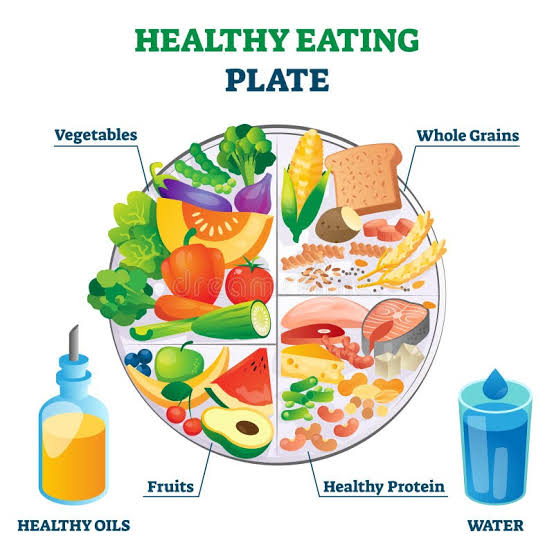
How to Build a Healthier Plate
One of the simplest ways to reduce ultra-processed food intake is by following a balanced plate model. You don’t need to count every calorie or eliminate entire food groups. Instead, aim for meals that include a variety of nutrient-rich foods. A balanced plate might include:
Half the Plate: Vegetables and Fruit
Choose colorful options whenever possible, such as:
Leafy greens
Broccoli
Carrots
Tomatoes
Bell peppers
Berries
Apples
Citrus fruits
These foods provide fiber, vitamins, minerals, and antioxidants that support overall health.
One-Quarter: Lean Protein
Good choices include:
Chicken
Fish
Eggs
Beans
Lentils
Tofu
Plain Greek yogurt
Protein supports muscle maintenance and helps you stay full after meals.
One-Quarter: Whole Grains or Starchy Foods
Examples include:
Brown rice
Oats
Quinoa
Whole-wheat pasta
Whole-grain bread
Sweet potatoes
Whole grains generally contain more fiber and nutrients than refined grains.
Healthy Fats
Include moderate amounts of healthy fats such as:
Olive oil
Avocados
Nuts
Seeds
Healthy fats support heart health and increase meal satisfaction.
Water as Your Main Beverage
Choosing water most often is a simple way to reduce added sugar intake. Sparkling water with fruit slices can also be a refreshing alternative.
Smart Grocery Shopping Tips
Making healthier choices often starts before you get home. The grocery store can either support healthy habits or make them more difficult, depending on what goes into your cart. Here are practical strategies to help you shop more confidently.
Shop With a List
Planning meals before shopping reduces impulse purchases and helps ensure you buy ingredients for balanced meals.
Eat Before Shopping
Shopping while hungry makes it easier to buy high-calorie snack foods that weren’t on your list.
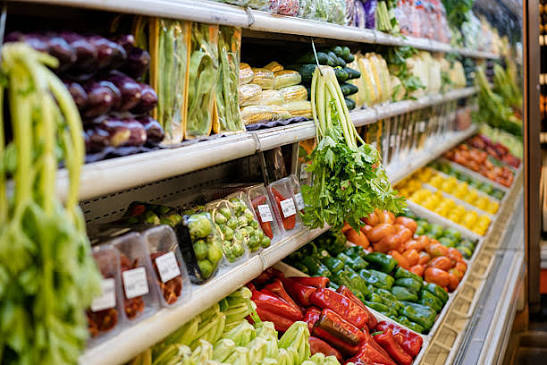
Spend More Time in the Produce Section
Fresh fruits and vegetables are naturally rich in nutrients and fiber. Don’t forget frozen produce, which can be just as nutritious.
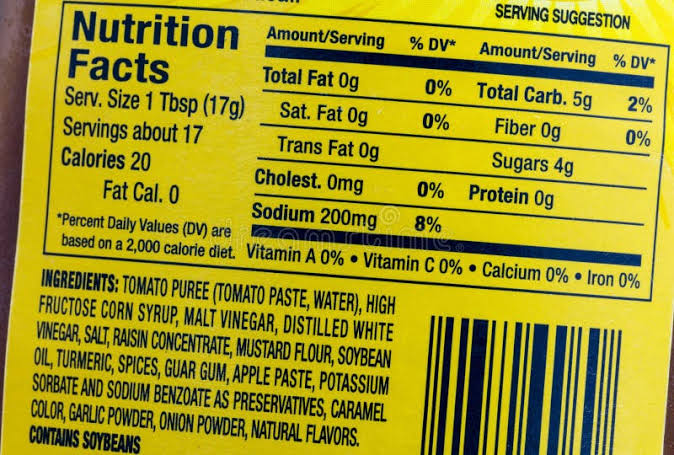
Compare Nutrition Labels
Two similar products can differ greatly in:
Added sugar
Sodium
Fiber
Protein
Taking a few extra seconds to compare labels can help you make informed choices.
Read Ingredient Lists
Ingredients are listed in descending order by weight. Generally speaking, products with shorter ingredient lists made mostly from recognizable foods may be less heavily processed. However, don’t judge a product by ingredient count alone. Some nutritious foods naturally require several ingredients.
Healthy food only supports your health if you enjoy eating it. Choose nutritious foods that fit your taste preferences and cooking skills.
Better Swaps for Common Ultra-Processed Foods
Healthy eating doesn’t require giving up your favorite foods overnight. Often, simple substitutions can increase fiber, vitamins, and protein while reducing added sugars and excess sodium.
Sugary Breakfast Cereals → Oats
Instead of highly sweetened cereals, try plain rolled oats topped with berries, banana slices, nuts, or cinnamon. Oats provide soluble fiber that supports heart and digestive health.
Soda → Sparkling Water with Fruit
If you enjoy fizzy drinks, sparkling water flavored with lemon, lime, berries, or cucumber offers a refreshing alternative with little or no added sugar.
Chips → Air-Popped Popcorn
Plain popcorn is a whole grain that’s naturally rich in fiber. Season it with herbs or a small amount of olive oil for extra flavor.
Candy → Fresh Fruit with Nuts
Fruit satisfies a sweet craving while providing vitamins and fiber. Pairing fruit with nuts adds healthy fats and protein that increase fullness.
Ice Cream → Plain Greek Yogurt with Berries
Greek yogurt provides protein and calcium, while berries contribute fiber and antioxidants. Adding cinnamon or a drizzle of honey can provide extra flavor if desired.
Processed Meats → Grilled Chicken or Beans
Instead of relying on processed deli meats or sausages, choose grilled chicken, turkey, beans, lentils, or baked tofu more often. These options generally provide protein with less sodium and fewer preservatives.
Healthy Convenience Foods That Can Fit a Balanced Diet
Convenience isn’t the enemy. Many packaged foods are nutritious and can save time without sacrificing quality. Some excellent options include:
Frozen Vegetables
Frozen vegetables are typically harvested and frozen quickly, helping preserve nutrients. They’re convenient, affordable, and reduce food waste.
Canned Beans (Low Sodium)
Beans are rich in protein and fiber. Choosing low-sodium varieties or rinsing regular canned beans can reduce sodium intake.
Plain Yogurt
Plain yogurt provides protein and calcium without the added sugars found in many flavored varieties.
Frozen Fruit
Frozen berries and other fruits work well in smoothies, oatmeal, and yogurt.
Whole-Grain Bread
Many whole-grain breads provide fiber and nutrients that refined white bread lacks. Look for products where “whole grain” or “whole wheat” appears near the beginning of the ingredient list.
Nut Butter with Minimal Ingredients
Choose products made primarily from nuts with little or no added sugar, hydrogenated oils, or excess salt. Natural separation of oil is normal, simply stir before using. These convenient foods can make healthy eating easier, especially on busy days.
Common Myths About Ultra-Processed Foods
Nutrition advice online often oversimplifies food choices. Let’s separate myths from facts.
Myth 1: All Processed Foods Are Unhealthy
Fact:
Processing exists on a spectrum. Frozen vegetables, canned beans, plain yogurt, and whole-grain bread are processed foods that can absolutely fit into a healthy eating pattern. The goal isn’t to avoid processing altogether, it’s to prioritize foods that provide nutrients while limiting those high in added sugars, sodium, and refined ingredients.
Myth 2: Fresh Foods Are Always Better Than Frozen
Fact:
Frozen fruits and vegetables are often frozen shortly after harvest, helping preserve nutrients. When fresh produce isn’t available or affordable, frozen options are an excellent choice.
Myth 3: One Packaged Snack Ruins a Healthy Diet
Fact:
Overall dietary patterns matter far more than individual foods. An occasional packaged snack doesn’t erase weeks of healthy eating habits. Consistency, not perfection is what supports long-term health.
Myth 4: You Should Never Eat Convenience Foods
Fact:
Convenience foods can make healthy eating more practical. Examples include:
Frozen vegetables
Plain yogurt
Frozen fruit
Low-sodium canned beans
Pre-washed salad greens
Whole-grain bread
These foods save time while providing valuable nutrients.
Myth 5: Organic Foods Can’t Be Ultra-Processed
Fact:
Organic simply refers to certain farming and production standards. An organic cookie or organic sugary breakfast cereal can still be considered ultra-processed if it’s formulated with refined ingredients and multiple additives. Always look beyond marketing claims and consider the overall nutritional quality of the food.
Focus on Your Overall Eating Pattern
Healthy eating isn’t determined by one grocery trip, one snack, or one meal. Instead, ask yourself:
Am I eating vegetables regularly?
Do I include fruit most days?
Am I choosing whole grains often?
Do I eat enough protein?
Do I drink enough water?
Do I cook at home when I can?
If the answer to most of these questions is yes, you’re likely moving in the right direction. Building healthy habits over time is far more effective than chasing perfection. Sustainable change starts with small daily actions. Read “How to Build Healthy Habits That Actually Stick.”https://welneez.com/how-to-build-healthy-eating-habits-that-actually-last/
Frequently Asked Questions (FAQs)
Are all processed foods unhealthy?
No. Not all processed foods are unhealthy. Food processing exists on a spectrum, and many processed foods can be part of a nutritious diet. For example, these foods are processed but are generally considered healthy choices:
Frozen vegetables
Frozen fruit
Plain yogurt
Rolled oats
Whole-grain bread
Canned beans (especially low-sodium varieties)
Canned fish
Pasteurized milk
Ultra-processed foods, on the other hand, often contain multiple refined ingredients, added sugars, excess sodium, unhealthy fats, and additives designed to improve flavor, texture, or shelf life. The key is to focus on your overall dietary pattern, not to avoid every processed food.
How can I identify ultra-processed foods?
There isn’t one single ingredient that automatically makes a food ultra-processed, but there are some helpful clues. Ask yourself:
Does the ingredient list contain many items you wouldn’t normally use at home?
Does it contain artificial flavors, colors, sweeteners, or flavor enhancers?
Is it heavily marketed as ready-to-eat or ready-to-heat?
Does it contain long lists of additives or stabilizers?
Is it high in added sugar, sodium, or refined ingredients?
Not necessarily. Many frozen foods are only minimally processed. Healthy examples include:
Frozen vegetables
Frozen fruit
Plain frozen fish
Frozen beans
However, frozen pizzas, breaded chicken products, sugary desserts, and some ready meals are often considered ultra-processed because they contain numerous refined ingredients and additives. Always look beyond the packaging and check the ingredient list.
Can I eat ultra-processed foods occasionally?
Yes. Healthy eating doesn’t require perfection. Having a slice of pizza at a family gathering or enjoying chips during a movie night isn’t likely to determine your long-term health. Most nutrition experts recommend building your diet around:
Vegetables
Fruit
Whole grains
Beans
Nuts
Seeds
Lean proteins
Healthy fats
If these foods make up the majority of your meals, occasional ultra-processed foods can fit into a balanced lifestyle.
Are plant-based meat alternatives ultra-processed?
Some are, and some aren’t. Many plant-based burgers, sausages, and nuggets are considered ultra-processed because they are made using protein isolates, refined oils, flavorings, and additives. That doesn’t automatically make them unhealthy, but they shouldn’t necessarily replace whole plant proteins like:
Lentils
Beans
Chickpeas
Tofu
Tempeh
A balanced diet can include both, depending on your preferences and nutritional needs.
Do children need to avoid ultra-processed foods?
Children don’t need to avoid every ultra-processed food, but it’s beneficial to build their meals around nutrient-rich whole foods as much as possible. Growing children need plenty of:
Fruits
Vegetables
Dairy or fortified alternatives
Whole grains
Beans
Eggs
Fish
Lean meats
Nuts and seeds (when age-appropriate)
Occasional treats can fit into a healthy eating pattern without creating unnecessary fear around food. Teaching children balance rather than restriction can help encourage a positive relationship with eating.
Is homemade bread healthier than packaged bread?
It depends. Homemade bread often contains fewer ingredients and allows you to control the amount of salt, sugar, and fat. However, many packaged whole-grain breads are also nutritious choices. When shopping, look for bread that:
Lists whole grains among the first ingredients.
Provides a good amount of fiber.
Contains moderate sodium.
Has little or no added sugar.
The ingredient list and nutrition label usually provide more useful information than whether a product is homemade or store-bought.
7-Day Whole Food Challenge
Improving your eating habits doesn’t have to happen overnight. This simple one-week challenge can help you include more whole and minimally processed foods in your daily routine.
Day 1
Replace one sugary drink with water or sparkling water flavored with fresh fruit.
Day 2
Add one extra serving of vegetables to lunch or dinner.
Day 3
Swap a refined grain for a whole grain, such as brown rice, oats, or whole-grain bread.
Day 4
Prepare one meal at home using mostly fresh or minimally processed ingredients.
Day 5
Choose fruit and a handful of unsalted nuts instead of candy or cookies for a snack.
Day 6
Read the ingredient list on three packaged foods and compare their nutrition labels.
Day 7
Plan your meals for the upcoming week and include at least one serving of vegetables or fruit with every main meal. These small changes can make healthy eating feel more manageable and sustainable over time.
Weekly Healthy Eating Checklist
Use this checklist each week to monitor your progress rather than aiming for perfection.
✔ Ate vegetables every day
✔ Ate at least two servings of fruit most days
✔ Included whole grains regularly
✔ Chose beans, lentils, or other plant proteins
✔ Limited sugary drinks
✔ Drank enough water
✔ Ate high-fiber foods
✔ Cooked at home several times
✔ Compared nutrition labels before buying packaged foods
✔ Included healthy fats like nuts, seeds, or olive oil
✔ Stayed physically active
✔ Got enough sleep
✔ Managed stress in healthy ways
✔ Planned meals before grocery shopping
✔ Enjoyed favorite treats in moderation without guilt
Remember, consistency matters more than perfection.
Conclusion
Ultra-processed foods have become one of the most talked-about topics in nutrition, but the conversation is often more extreme than the science supports. Food processing itself isn’t inherently harmful. In fact, many processed foods such as frozen vegetables, canned beans, and plain yogurt can make healthy eating easier and more convenient.
The greatest concern is frequent reliance on ultra-processed foods that are high in added sugars, refined carbohydrates, sodium, and unhealthy fats while being low in fiber and other important nutrients. Instead of trying to eliminate every packaged product, focus on building a diet centered around whole and minimally processed foods. Fill your plate with colorful vegetables, fruits, whole grains, legumes, lean proteins, and healthy fats, and use convenient packaged foods thoughtfully when they fit your needs. Healthy eating isn’t about following rigid rules or labeling foods as “good” or “bad.” It’s about creating balanced habits that you can enjoy and maintain for years to come. Small, consistent choices like cooking at home more often, reading ingredient lists, drinking more water, and choosing whole foods more frequently can have a meaningful impact on your long-term health.
💌 Get weekly wellness tips in your inbox
Practical, doctor-reviewed advice on nutrition, fitness, sleep and mental wellness — one short email a week, no spam.