You probably spend more time sitting than you realize. Whether you’re working at a desk, driving, watching television, attending classes, or scrolling through your phone, modern life encourages long periods of sitting. For many people, sitting has become the default position for most of the day. A typical office worker may spend eight or more hours sitting during work and then continue sitting while commuting, eating dinner, or relaxing in the evening. Even people who exercise regularly can accumulate many hours of sedentary time.
Over the past decade, researchers have become increasingly interested in how prolonged sitting affects health. You may have heard the phrase “Sitting is the new smoking.” It appears frequently in news headlines, podcasts, and social media posts, often implying that sitting is as dangerous as smoking cigarettes.
But is that claim actually true?
The short answer is no. Sitting is not equivalent to smoking. Smoking dramatically increases the risk of serious diseases, including lung cancer, heart disease, and chronic lung disease, and is one of the leading preventable causes of death worldwide. However, that doesn’t mean prolonged sitting is harmless.
A growing body of research suggests that spending long periods sitting—especially without regular movement breaks—is associated with an increased risk of several chronic health conditions. These include cardiovascular disease, type 2 diabetes, obesity, poor posture, reduced mobility, and even premature death. The good news is that regular physical activity and frequent movement throughout the day can help reduce many of these risks.
In this guide, you’ll learn what counts as sedentary behavior, how too much sitting affects different parts of the body, what current research actually says, and practical strategies to sit less and move more in everyday life.
What Does “Sitting Too Much” Mean?
Before discussing the health effects, it’s important to understand what researchers mean by sedentary behavior. Sedentary behavior refers to waking activities that involve very low energy expenditure while sitting, reclining, or lying down. Common examples include:
Working at a computer
Watching television
Driving
Sitting in meetings
Reading while seated
Playing video games
Scrolling on a smartphone
Long flights or train rides
It’s important to remember that being sedentary is different from simply not exercising. For example:
Someone may go to the gym for one hour every morning but spend the remaining 10 hours of the day sitting at work. That person is both physically active and highly sedentary.
Another person may never formally exercise but has a physically demanding job that requires walking, lifting, and standing throughout the day. They may be less sedentary despite not following a structured workout routine.
This distinction is one reason researchers now encourage people to both exercise regularly and reduce prolonged sitting.
Why Are We Sitting More Than Ever?
Modern lifestyles have dramatically reduced the amount of movement required in daily life. Several decades ago, many jobs involved physical labor, walking, or standing. Today, technology has made work more convenient but also more sedentary. Common reasons people spend more time sitting include:
Desk-based jobs
Remote work
Long commutes
Online learning
Streaming television
Smartphones and social media
Video games
Food delivery services
Online shopping
Even leisure activities have become increasingly screen-based. As a result, many adults spend 8–10 hours or even more sitting each day.
Is Sitting Really the New Smoking?
This phrase has received enormous attention, but it’s often misunderstood. The comparison was created to emphasize that prolonged sitting deserves more attention not to suggest that sitting is literally as dangerous as smoking.
Here’s what the science says:
Smoking is a direct cause of several serious diseases and has far greater health risks.
Sitting itself isn’t toxic, but long periods of uninterrupted sitting are associated with poorer health outcomes.
Regular movement and exercise can reduce many of the risks linked to prolonged sitting.
A more accurate message would be:
“Too much sitting is harmful, but moving more throughout the day can make a meaningful difference.”
Rather than fearing chairs or desks, the goal is to break up long periods of sitting with movement.
What Happens to Your Body When You Sit for Hours?
Although sitting feels effortless, your body undergoes several changes when it remains inactive for long periods. Let’s explore what happens.
Your Muscles Become Less Active
Standing and walking require constant activity from muscles in your:
Legs
Glutes
Core
Back
When you sit for extended periods, many of these muscles become less active. Over time, this may contribute to:
Muscle weakness
Reduced flexibility
Poor posture
Lower back discomfort
Weak glute and core muscles are particularly common among people who spend most of their day sitting.
Blood Flow Slows Down
Movement helps your muscles pump blood back toward the heart. When sitting for long periods, blood circulation especially in the legs can become less efficient. This may lead to:
Stiff legs
Swollen ankles
Temporary discomfort
Increased risk of blood clots during very prolonged immobility (such as long-haul travel), particularly in people with additional risk factors
Standing up and walking regularly encourages healthy circulation.
Your Body Burns Fewer Calories
Even standing burns slightly more energy than sitting. Over many months or years, consistently low levels of movement may contribute to weight gain if calorie intake exceeds calorie expenditure. This doesn’t mean you need intense exercise every hour. Small activities like standing, stretching, or walking to refill your water bottle all increase daily movement.
Your Posture Begins to Change
Many people sit with:
Rounded shoulders
A forward head position
A curved upper back
Bent hips for long periods
Poor sitting posture may contribute to:
Neck pain
Shoulder tension
Upper back stiffness
Lower back discomfort
Regular posture breaks and strengthening exercises can help counteract these effects.
Your Metabolism Slows During Prolonged Sitting
Your metabolism includes all the processes your body uses to convert food into energy. During long periods of inactivity:
Muscles use less glucose.
Calorie expenditure decreases.
Fat metabolism slows.
Over time, consistently low levels of movement may contribute to metabolic health concerns, especially when combined with poor diet, inadequate sleep, and lack of exercise. This is one reason experts recommend getting up and moving regularly throughout the day even if it’s only for a few minutes.
If you’re interested in improving your daily movement, check out our guide “Do You Really Need 10,000 Steps a Day? What Research Actually Says”, which explains how regular walking supports heart health, metabolism, and long-term wellness.
The Science-Backed Health Risks of Sitting Too Much
Sitting for long periods may seem harmless, but your body is designed for movement. Every time you walk, stretch, stand, or climb stairs, your muscles, heart, lungs, bones, and brain work together to keep you healthy. When movement is replaced by hours of uninterrupted sitting, several important body systems become less active.
It’s important to remember that sitting itself isn’t dangerous, the real concern is prolonged, uninterrupted sitting combined with an overall sedentary lifestyle. Research suggests that regularly breaking up sitting time with movement can help reduce many of these risks. Let’s explore how sitting too much affects different parts of your body.
1. Heart Health
Your heart is a muscle that works continuously to pump blood throughout your body. Regular movement helps keep your cardiovascular system functioning efficiently. When you sit for long periods:
Blood circulation slows.
Muscles in your legs contract less frequently, making it harder for blood to return to the heart.
Your body burns fewer calories.
Blood fats (triglycerides) may remain elevated after meals for longer periods.
Over months and years, prolonged sedentary behavior has been associated with an increased risk of cardiovascular disease, especially when combined with poor diet, smoking, obesity, or high blood pressure. The encouraging news is that simple movement breaks throughout the day may help support healthy circulation.
Tips for Better Heart Health
Stand every 30–60 minutes.
Walk while taking phone calls.
Use stairs whenever possible.
Take a short walk after lunch.
Daily walking is one of the easiest ways to support cardiovascular health. Read our guide “Do You Really Need 10,000 Steps a Day? What Research Actually Says.”
2. Blood Sugar and Metabolism
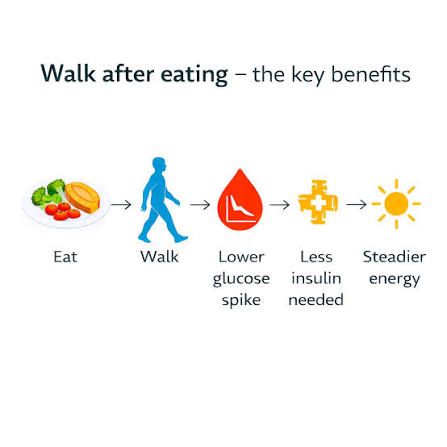
Every time you eat, your body breaks carbohydrates down into glucose, which enters your bloodstream. The hormone insulin helps move this glucose into your cells for energy. When you’re active, your muscles use glucose efficiently. However, during prolonged sitting:
Muscle activity decreases.
Less glucose is used for energy.
Your body becomes less efficient at clearing glucose from the bloodstream immediately after meals.
Over time, excessive sedentary behavior may contribute to poorer metabolic health, particularly when paired with a diet high in refined carbohydrates and added sugars. Researchers have found that even brief walking breaks after meals may help improve blood sugar responses in many people.
Small Changes That Help
Walk for 5–10 minutes after meals.
Stand while answering emails.
Stretch during work breaks.
Use a standing desk for part of the day if available.
If you’re working on improving blood sugar through nutrition, check out “What Happens to Your Body When You Quit Added Sugar for 30 Days?”
3. Weight Management
Many people believe that exercising for one hour cancels out sitting all day. Unfortunately, it’s not quite that simple. Exercise is incredibly important, but total daily movement also matters. Sitting burns very few calories compared with:
Walking
Standing
Household chores
Gardening
Climbing stairs
Carrying groceries
Over time, burning fewer calories than you consume can contribute to weight gain. Even small activities throughout the day increase what researchers call non-exercise activity thermogenesis (NEAT), the calories burned through everyday movement outside structured exercise. Examples of NEAT include:
Walking around your office
Standing while talking on the phone
Cleaning the house
Cooking
Playing with children
Walking the dog
These movements may seem small individually, but together they can make a meaningful contribution to your daily energy expenditure.
4. Brain Function
Your brain depends on a steady supply of oxygen and nutrients delivered through healthy blood circulation. Although sitting itself doesn’t stop blood flow to the brain, long periods of inactivity can contribute to reduced alertness and mental fatigue in some people. Many people notice that after sitting for several hours they begin to feel:
Less focused
Sleepy
Mentally sluggish
Less productive
Getting up and moving for just a few minutes can improve alertness and help you return to work feeling refreshed. Some workplaces now encourage “walking meetings” or brief movement breaks because physical activity can support concentration and creative thinking.
If you’re struggling with concentration, read our article “Mental Fatigue: Causes, Symptoms, and Recovery.”
5. Mental Health
Movement benefits more than your muscles, it also supports your mental well-being. People who spend long periods sitting may be more likely to experience symptoms of stress, anxiety, or low mood, although many factors influence mental health, including sleep, relationships, work demands, and genetics. Regular physical activity supports mental well-being by:
Releasing endorphins
Reducing stress hormones
Improving sleep quality
Boosting self-esteem
Increasing energy
Simply standing up, taking a short walk outside, or stretching for a few minutes can help break up the mental monotony of prolonged desk work.
One of the most noticeable effects of prolonged sitting is poor posture. Many people naturally lean toward their computer screen, round their shoulders, or look down at a laptop or phone for hours. Over time, this may contribute to:
Neck pain
Shoulder tightness
Upper back stiffness
Lower back discomfort
Tight hip flexors
Poor posture doesn’t happen overnight, it develops gradually through repeated habits.
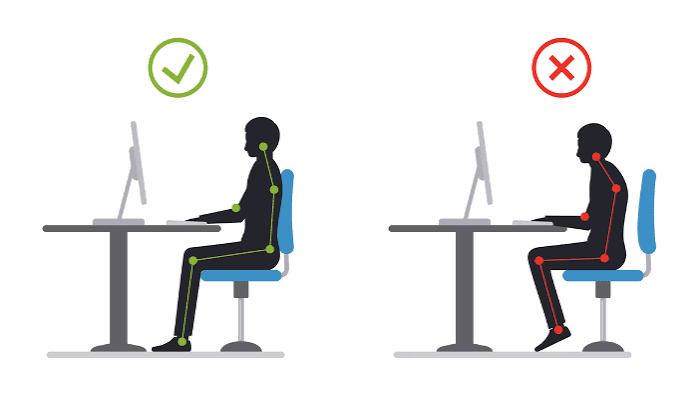
Improve Your Sitting Posture
Sit with your feet flat on the floor.
Keep your knees at roughly a 90-degree angle.
Relax your shoulders.
Position your screen at eye level.
Support your lower back.
Stand and stretch regularly.
Even with perfect posture, staying in one position for too long isn’t ideal. Movement remains essential.
7. Bones and Joints
Bones stay strong when they’re challenged through weight-bearing activities. Walking, climbing stairs, dancing, and resistance training place healthy stress on bones, helping maintain bone strength over time. Sitting, however, places very little load on your skeleton. Long periods of inactivity may also contribute to:
Reduced joint mobility
Muscle stiffness
Tight hips
Reduced flexibility
Regular stretching and movement can help maintain healthy joints and mobility as you age.
8. Sleep Quality
Many people don’t realize that sitting all day may indirectly affect sleep. Physical activity helps regulate your body’s internal clock and increases sleep pressure, the natural drive to sleep after being awake and active. When daily movement is very low, some people may find it harder to feel physically tired at bedtime. Combining regular movement with healthy sleep habits may improve sleep quality. Simple habits include:
One of the most important questions researchers have asked is whether prolonged sitting affects how long people live. Large observational studies have found that spending many hours sitting each day is associated with a higher risk of premature death. However, these studies also suggest that regular physical activity can substantially reduce this risk. This means the goal isn’t to avoid sitting completely, it’s to:
Sit less.
Move more.
Exercise regularly.
Break up long sitting periods.
Small daily habits, repeated consistently, can have a meaningful impact on long-term health.
Why Breaking Up Sitting Time Matters: Even If You Exercise
One of the biggest misconceptions is:
“I go to the gym every morning, so it doesn’t matter if I sit for the rest of the day.”
While regular exercise is one of the best things you can do for your health, it doesn’t completely eliminate the effects of prolonged sitting. Imagine brushing your teeth every morning but never brushing them again for the rest of the day. One healthy habit doesn’t erase every other behavior. Health experts increasingly recommend combining:
Regular exercise
Frequent movement throughout the day
Less prolonged sitting
Even standing up for a few minutes every hour, taking walking breaks, or stretching between tasks can help keep your body active. The message isn’t to fear sitting, it’s to avoid staying in one position for hours without moving.
Who Is Most at Risk from Prolonged Sitting?
Anyone can spend too much time sitting, but some people are naturally more likely to accumulate long periods of sedentary behavior because of their work, lifestyle, or health conditions.
The good news is that you don’t have to become an athlete to reduce your risk. Simply adding more movement throughout your day can make a meaningful difference. Let’s look at who may be most affected and, more importantly, what you can do about it.
Office Workers
Office workers often spend 7–10 hours sitting at a desk each day. A typical workday might include:
Sitting while commuting
Sitting during meetings
Sitting at a computer
Sitting during lunch
Sitting again while relaxing at home
Even people who exercise before or after work can still spend most of the day sitting.
Tips for Office Workers
Stand during phone calls.
Walk to speak with coworkers instead of emailing.
Stretch every hour.
Use a standing desk for part of the day.
Walk during lunch breaks.
Students
Modern education involves long hours of sitting. Students often sit while:
Attending lectures
Studying
Completing assignments
Using laptops
Watching online classes
Long study sessions can also lead to poor posture and neck pain.
Study Smarter
Try the 50–10 Rule:
Study for 50 minutes.
Stand and move for 10 minutes.
These short movement breaks may improve focus while reducing stiffness.
Remote Workers
Working from home offers flexibility, but it often reduces everyday movement. Many people no longer:
Walk to meetings
Commute
Climb office stairs
Visit coworkers
Instead, everything happens from one chair. If you work remotely, schedule movement just like meetings.
Older Adults
As people age, they naturally lose muscle mass and bone density. Too much sitting may contribute to:
Muscle weakness
Balance problems
Reduced mobility
Increased fall risk
Walking, light strength training, and regular stretching can help older adults maintain independence and overall health.
Gamers and Heavy Screen Users
Gaming, streaming, and social media can easily lead to several hours of uninterrupted sitting. Try setting a timer every 45–60 minutes as a reminder to:
Stand up
Stretch
Walk around the room
Drink water
Small breaks are beneficial for both physical comfort and mental focus.
People with Limited Mobility
Some individuals spend long periods sitting because of injury, disability, chronic illness, or recovery from surgery. If this applies to you, speak with your healthcare provider or physical therapist about safe ways to increase movement that fit your abilities. Even gentle range-of-motion exercises or seated stretches may be appropriate in some situations.
How Much Sitting Is Considered Too Much?
One of the biggest questions researchers continue to study is:
“How much sitting is too much?”
There isn’t a universally agreed-upon cutoff. However, many studies have found that spending more than 8–10 hours sitting per day, particularly without regular movement breaks, is associated with a higher risk of several chronic health conditions. It’s not just the total amount of sitting that matters—how you sit matters too. For example:
Better Pattern
Sit for 45 minutes.
Stand for 5 minutes.
Walk for 5 minutes.
Repeat.
Less Healthy Pattern
Sit continuously for 5–6 hours.
Breaking up prolonged sitting appears to be more beneficial than remaining completely still for hours at a time.
Signs You’re Sitting Too Much
Your body often gives you clues that you need more movement. Common signs include:
Frequent Neck Pain
Looking down at screens or leaning toward a computer may strain the neck muscles.
Lower Back Pain
Remaining seated for long periods increases pressure on the lower back.
Tight Hips
Hip flexor muscles stay shortened while sitting. Over time they may become tight and uncomfortable.
Stiff Legs
Long periods without movement may cause stiffness when standing.
Poor Posture
Rounded shoulders
Forward head position
Slouching
These habits develop gradually over time.
Low Energy
Ironically, sitting all day often makes people feel more tired rather than more rested.
Difficulty Concentrating
Movement increases alertness. Long periods of inactivity may contribute to mental fatigue.
Fortunately, reducing sedentary time doesn’t require joining a gym or buying expensive equipment. Small habits practiced consistently can add up to significant health benefits.
You’ll naturally stand more often to refill your bottle and may also take more bathroom breaks.
8. Stretch Every Hour
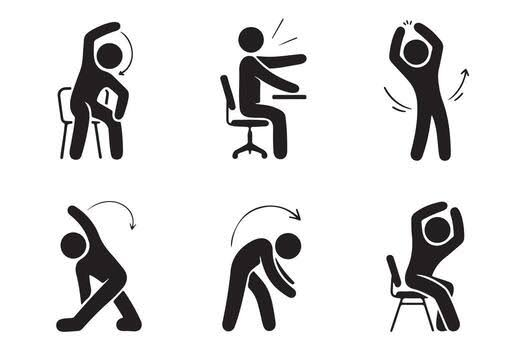
Simple stretches improve flexibility and reduce stiffness.
9. Use a Standing Desk Occasionally
Alternating between sitting and standing may improve comfort.
10. Walk While Waiting
Instead of standing still, take a few steps.
11. Stand During Television Commercials
Those few minutes of movement add up.
12. Keep Frequently Used Items Away from Your Desk
Walking to retrieve them increases daily activity.
13. Walk the Dog
A fun way to increase movement.
14. Play with Your Children
Family activities often involve natural movement.
15. Garden or Do Household Chores
Vacuuming, cleaning, and gardening all count as physical activity.
16. Dance to Your Favorite Music
Movement doesn’t have to feel like exercise.
17. Use a Fitness Tracker
Tracking steps can help many people stay motivated.
18. Schedule Movement Like Meetings
Treat movement as an important appointment.
19. Exercise Regularly
Aim for a mix of aerobic activity and strength training each week.
20. Find Activities You Enjoy
Walking, cycling, swimming, hiking, or dancing, you’re more likely to stay active if you enjoy the activity.
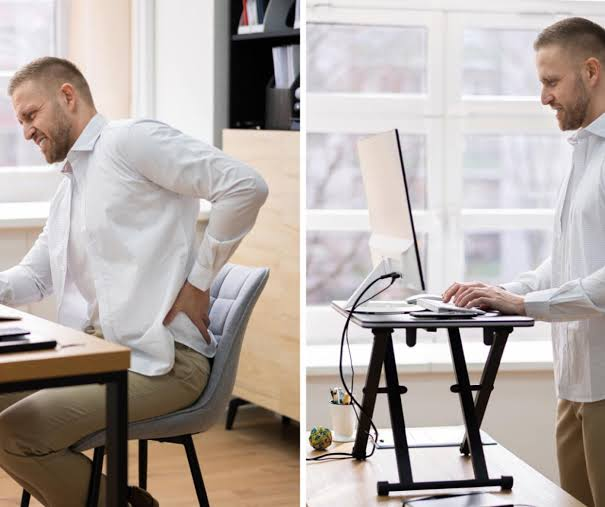
Do Standing Desks Really Help?
Standing desks have become increasingly popular, especially among office workers. But are they worth it?
The answer is yes, with realistic expectations. Standing desks can:
Reduce total sitting time.
Encourage posture changes.
Increase comfort for some people.
Make it easier to take movement breaks.
However, standing all day isn’t the answer either. Standing continuously can lead to:
Foot discomfort
Leg fatigue
Lower back strain
The healthiest approach is to alternate between:
Sitting
Standing
Walking
Stretching
Think of a standing desk as a tool to promote movement, not a replacement for regular physical activity. Adjustable sit-stand desk with a person alternating positions throughout the day.
Common Myths About Sitting and Exercise
Myth 1: Sitting Is as Dangerous as Smoking
False.
Smoking is significantly more harmful. The phrase “sitting is the new smoking” is meant to highlight the importance of reducing prolonged sitting, not to compare the risks directly.
Myth 2: One Workout Cancels Out Sitting All Day
Not entirely.
Regular exercise is essential, but breaking up long periods of sitting is still beneficial.
Myth 3: Standing All Day Is Better Than Sitting
False.
Standing continuously can also cause discomfort. The healthiest routine includes a balance of sitting, standing, and moving.
Myth 4: Only Older Adults Need to Worry About Sitting
False.
Sedentary habits can affect people of all ages, including students, office workers, and young adults.
Myth 5: You Need a Gym Membership to Be Active
False.
Walking, taking the stairs, gardening, housework, and active hobbies all contribute to better health.
Frequently Asked Questions
Is sitting all day really bad for your health?
Yes, prolonged sitting is associated with an increased risk of several health problems, including cardiovascular disease, type 2 diabetes, obesity, poor posture, and back pain. However, sitting itself isn’t inherently harmful—it’s remaining sedentary for long periods without regular movement that’s the concern. The good news is that incorporating frequent movement breaks and meeting recommended physical activity guidelines can help reduce many of these risks.
How many hours of sitting is too much?
There isn’t a universally agreed-upon limit. However, many studies suggest that more than 8–10 hours of sitting per day, especially without regular movement breaks, is associated with poorer health outcomes. If your job requires long periods of sitting, focus on:
Standing every 30–60 minutes.
Taking short walking breaks.
Stretching throughout the day.
Exercising regularly outside work.
Small changes repeated consistently can make a meaningful difference.
Can exercise cancel out sitting all day?
Not completely. Regular exercise is one of the best things you can do for your health, but it doesn’t completely eliminate the effects of prolonged sitting. Think of movement as something your body needs throughout the day, not just during one workout. A healthy routine includes:
However, standing all day isn’t ideal either. The healthiest approach is alternating between:
Sitting
Standing
Walking
Stretching
Think of a standing desk as a tool to encourage movement rather than a replacement for exercise.
How often should I stand up from my desk?
Many experts recommend standing or moving every 30–60 minutes. You don’t need a long workout. Even:
Walking to refill your water bottle
Stretching for two minutes
Walking around your office
Climbing one flight of stairs
can help break up prolonged sitting.
Does sitting cause back pain?
It can contribute. Remaining seated for long periods especially with poor posture may increase strain on your neck, shoulders, hips, and lower back. To reduce discomfort:
Adjust your chair properly.
Keep your monitor at eye level.
Support your lower back.
Stand and stretch regularly.
Strengthen your core muscles.
Can sitting affect mental health?
Research suggests prolonged sedentary behavior is associated with poorer mental well-being, although many factors influence mental health. Regular movement supports mental health by:
Changing habits doesn’t happen overnight. This simple one-week challenge helps you reduce sitting without making drastic changes to your routine.
Day 1: Notice Your Sitting Habits
Track how often you sit during the day. Set a reminder to stand every hour.
Day 2: Add More Walking
Take a 10–15 minute walk during your lunch break or after dinner.
Day 3: Improve Your Workspace
Adjust your:
Chair
Monitor
Keyboard
Desk height
Aim for an ergonomic setup that supports good posture.
Day 4: Stretch More
Spend 5–10 minutes stretching:
Neck
Shoulders
Chest
Back
Hips
Hamstrings
Calves
This can reduce stiffness from prolonged sitting.
Day 5: Walk During Phone Calls
Whenever possible:
Stand up.
Walk around the room.
Pace while talking.
These small bursts of activity add up over time.
Day 6: Move With Family or Friends
Choose an enjoyable activity such as:
Walking in the park
Cycling
Playing with children
Gardening
Dancing
Movement is often easier to maintain when it’s social and enjoyable.
Day 7: Build a Long-Term Plan
Reflect on the past week. Ask yourself:
Which movement habits felt easiest?
Which reminders worked best?
How can I continue these habits next week?
Consistency matters more than perfection.
Weekly Movement Checklist
Use this checklist to stay accountable each week.
✔ Stood up every hour.
✔ Walked for at least 30 minutes on most days.
✔ Used the stairs when possible.
✔ Took walking breaks after meals.
✔ Practiced good sitting posture.
✔ Stretched daily.
✔ Exercised at least three times this week.
✔ Reduced unnecessary screen time.
✔ Drank enough water.
✔ Took phone calls while walking.
✔ Went outside every day.
✔ Limited uninterrupted sitting.
✔ Got 7–9 hours of sleep.
✔ Managed stress through healthy activities.
✔ Celebrated progress rather than aiming for perfection.
Conclusion
Modern life makes sitting almost unavoidable, but too much sitting doesn’t have to define your health.
The research is clear: prolonged sedentary behavior is linked with a higher risk of cardiovascular disease, metabolic problems, poor posture, back pain, and reduced overall well-being. Yet the solution isn’t to eliminate sitting entirely—it’s to make movement a regular part of your day.
Simple habits such as standing every hour, taking short walks, stretching between tasks, and staying physically active can support your heart, muscles, joints, brain, and mental health. These actions don’t require expensive equipment or a gym membership; they simply require consistency.
If you spend much of your day at a desk, start with one small change. Take the stairs instead of the elevator, walk during phone calls, or step outside for a few minutes after lunch. Over time, these small choices can become lasting habits that improve your quality of life.
Remember, your body is built to move. Every step you take is an investment in your long-term health.
💌 Get weekly wellness tips in your inbox
Practical, doctor-reviewed advice on nutrition, fitness, sleep and mental wellness — one short email a week, no spam.