
Do You Really Need 10,000 Steps a Day? What Science Says About Daily Walking

📋 Table of Contents
- The Truth Behind the 10,000-Step Goal
- Introduction
- Fitness Technology
- A Simple Goal
- Motivation
- More Movement Is Better Than Less
- Health Benefits Begin Below 10,000 Steps
- Walking Regularly Matters More Than Perfection
- Walking Speed Can Also Matter
- Heart Health
- Brain Health
- Mental Well-Being
- Blood Sugar Control
- Weight Management
- Bones and Joints
- Longevity
- 1. Improves Heart Health
- 2. Helps Lower Blood Pressure
- 3. Supports Healthy Weight Management
- 4. Improves Mental Health
- 5. Helps Reduce Stress
- 6. Improves Sleep Quality
- 7. Increases Daily Energy
- 8. Strengthens Muscles
- 9. Supports Joint Health
- 10. Improves Balance and Coordination
- 11. Supports Healthy Aging
- 12. Helps Regulate Blood Sugar
- 13. Strengthens Bones
- 14. Boosts Creativity
- 15. Encourages Better Posture
- 16. Supports Immune Health
- 17. Reduces Sedentary Time
- 18. Builds Healthy Habits
- 19. Improves Mood
- 20. May Help You Live Longer
- Beginners
- Average Healthy Adults
- Active Individuals
- Older Adults
- Leisurely Walking
- Moderate Walking
- Brisk Walking
- Outdoor Walking
- Indoor Walking
- Morning Walk
- Evening Walk
- 1. Wearing Unsupportive Shoes
- 2. Sitting All Day
- 3. Increasing Steps Too Quickly
- 4. Ignoring Strength Training
- 5. Poor Walking Posture
- 1. Do I Really Need to Walk 10,000 Steps Every Day?
- 2. Is Walking Better Than Running?
- 3. How Many Calories Does Walking 10,000 Steps Burn?
- 4. Can Walking Help You Lose Belly Fat?
- 5. What If I Can Only Walk 5,000 Steps?
- 6. Is Walking Every Day Safe?
- Day 1
- Day 2
- Day 3
- Day 4
- Day 5
- Day 6
- Day 7
The Truth Behind the 10,000-Step Goal
Introduction
If you’ve ever checked the step counter on your smartwatch or smartphone, you’ve probably seen the familiar goal of 10,000 steps a day. For many people, reaching this number has become a daily target and a symbol of living a healthy lifestyle. Fitness apps celebrate it, wearable devices remind you to keep moving, and social media is full of people proudly sharing their daily step counts.
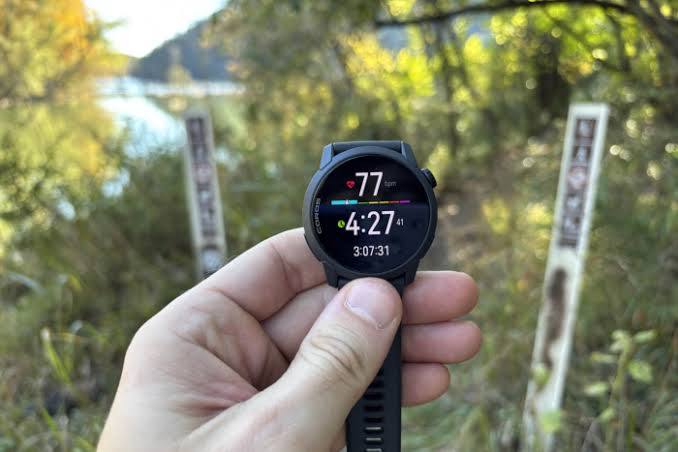
But have you ever wondered whether 10,000 steps a day is actually based on scientific evidence? Do you really need to walk that much to improve your health, or has this number simply become popular because everyone else is following it?
The answer may surprise you.
Although walking is one of the best forms of physical activity for people of almost every age, research suggests that 10,000 steps isn’t a magical number. Studies show that even smaller increases in daily movement can provide significant health benefits, especially for people who are currently inactive. Walking regularly has been linked to improved heart health, better mental well-being, healthier blood sugar levels, stronger muscles and bones, better sleep, and even a longer life. The best part is that walking requires no expensive equipment, gym membership, or advanced fitness level. It’s simple, accessible, and easy to fit into almost any lifestyle.
In this guide, we’ll explore where the 10,000-step goal came from, what modern research actually says, how walking benefits your body and mind, and how many steps you may really need to stay healthy. Whether you’re trying to improve your fitness, lose weight, increase your energy, or simply live a healthier life, understanding the science behind daily walking can help you set realistic goals that work for you.
Why Is Everyone Talking About 10,000 Steps?
Today, the idea of walking 10,000 steps every day feels almost universal. Fitness trackers, smartphones, and smartwatches often display your daily progress toward this goal, making it seem like an official recommendation from health experts. However, the popularity of the 10,000-step target has several reasons behind it.
Fitness Technology
Wearable fitness devices have made it incredibly easy to track daily movement. Every walk around the neighborhood, trip to the grocery store, or climb up the stairs contributes to your daily step count. Because people can now monitor their activity in real time, step counting has become one of the simplest ways to measure physical activity.
A Simple Goal
Many health recommendations involve minutes of exercise, heart rate zones, or workout intensity, which can feel confusing. Counting steps is straightforward. People can easily understand whether they have walked:
- 3,000 steps
- 6,000 steps
- 10,000 steps
This simplicity has helped make step counting popular around the world.
Motivation
Having a visible goal encourages people to move more. If you notice you’ve only walked 5,000 steps by evening, you might decide to take a short walk after dinner. Even if the exact number isn’t essential, having a measurable target often helps people become more active.
Where Did the 10,000-Step Goal Come From?
Many people assume the 10,000-step recommendation was developed by scientists after years of medical research. In reality, its origin is much different. The idea became popular in Japan during the 1960s, when a company introduced one of the first commercial pedometers. The device was called Manpo-kei, which roughly translates to “10,000-step meter.” The number was memorable, easy to market, and symbolized an active lifestyle. At the time, there wasn’t strong scientific evidence proving that exactly 10,000 steps was the ideal daily target. Instead, it became popular because it was simple, motivating, and easy to remember. Over time, as pedometers and fitness trackers became common, the 10,000-step goal spread across the world and gradually became accepted as a general fitness benchmark. Interestingly, modern research suggests that while 10,000 steps can certainly be beneficial, many people experience substantial health improvements even at lower step counts.

Is 10,000 Steps Based on Science?
The short answer is not originally. The 10,000-step goal began as a marketing idea rather than a medical guideline. However, decades of research have since examined how daily walking affects health. Scientists have discovered several important findings:
- Walking more is generally better than walking less.
- Large health improvements often occur when inactive people become moderately active.
- The relationship between steps and health is gradual rather than all-or-nothing.
- Benefits continue to increase as activity levels rise, although the rate of improvement may slow at higher step counts.
This means that someone who increases their daily steps from 2,000 to 6,000 may experience a greater improvement than someone increasing from 10,000 to 12,000 steps. The biggest gains often come from moving away from a sedentary lifestyle.
What Research Actually Says
Over the past decade, researchers have followed thousands of adults to better understand how daily step counts relate to health outcomes. Although studies differ in their exact findings, several consistent patterns have emerged.
More Movement Is Better Than Less
One of the strongest findings is that increasing daily movement reduces the health risks associated with prolonged sitting. Even moderate increases in walking can positively affect overall health.
Health Benefits Begin Below 10,000 Steps
Many studies suggest that important health benefits can appear well before reaching 10,000 daily steps. For many adults, walking around 6,000 to 8,000 steps per day is associated with significant improvements in overall health compared with a very sedentary lifestyle. Older adults may experience benefits at even lower step counts.
Walking Regularly Matters More Than Perfection
Walking 10,000 steps once a week is less beneficial than walking consistently every day. Developing a regular habit of movement appears to be one of the most important factors for long-term health.
Walking Speed Can Also Matter
While total daily steps are important, walking at a brisk pace may provide additional cardiovascular benefits. Faster walking increases your heart rate, improves fitness, and helps strengthen the heart and lungs. However, even slow walking is better than remaining inactive.
How Walking Benefits Your Body
Walking may seem simple, but it activates nearly every major system in your body. Regular walking contributes to better physical and mental health in many different ways.
Heart Health
Walking is one of the easiest ways to strengthen your cardiovascular system. As you walk, your heart pumps more efficiently, delivering oxygen-rich blood throughout your body. Over time, regular walking may help:
- Improve cardiovascular fitness
- Support healthy blood pressure
- Improve circulation
- Reduce the risk of heart disease when combined with other healthy habits
Even a brisk 30-minute walk most days of the week can make a meaningful difference.
Brain Health
Physical activity increases blood flow to the brain, supplying oxygen and nutrients that support healthy brain function. Walking benefits your brain as much as your body. Research suggests that regular walking may help:
- Improve memory
- Enhance concentration
- Support learning
- Maintain cognitive function as people age
Many people also report feeling mentally refreshed after spending time walking outdoors.
Mental Well-Being
Walking is closely linked with better emotional health. Regular movement can help reduce feelings of stress, improve mood, and promote relaxation. Walking in green spaces such as parks or nature trails may provide additional mental health benefits by reducing stress and improving overall well-being. For many people, a simple daily walk becomes valuable time to clear the mind, practice mindfulness, or disconnect from daily pressures.
Blood Sugar Control
After eating, blood sugar levels naturally rise. Walking helps muscles use glucose for energy, which may support healthy blood sugar regulation. Even a short walk after meals can contribute to better glucose control as part of an overall healthy lifestyle.
Weight Management
Walking burns calories and contributes to daily energy expenditure. Although walking alone isn’t a guaranteed weight-loss solution, combining regular walking with balanced nutrition can help support healthy weight management over time. Consistency matters much more than intensity.
Bones and Joints
Unlike high-impact exercise, walking places relatively little stress on the joints while still helping maintain bone strength and muscle function. Walking may help:
- Strengthen supporting muscles
- Improve balance
- Maintain mobility
- Support joint health
This makes walking an excellent activity for many older adults.
Longevity
One of the most exciting findings from modern research is that people who remain physically active tend to live longer, healthier lives. Walking regularly contributes to lower risks of several chronic diseases and supports healthy aging by improving cardiovascular fitness, maintaining mobility, and encouraging other healthy habits.

20 Science-Backed Benefits of Daily Walking
Walking is one of the simplest yet most effective forms of physical activity. Unlike high-intensity workouts that require equipment or gym memberships, walking is free, accessible, and suitable for nearly every age group. Research consistently shows that regular walking supports physical health, mental well-being, and longevity. While walking 10,000 steps a day isn’t mandatory, increasing your daily movement can provide meaningful benefits regardless of your current fitness level. Let’s explore 20 science-backed reasons why making walking a daily habit can improve your health.
1. Improves Heart Health
Your heart is a muscle, and like any muscle, it becomes stronger with regular activity. Walking increases your heart rate, improves blood circulation, and helps your cardiovascular system work more efficiently. Studies have found that people who walk regularly have a lower risk of developing heart disease compared to those who live sedentary lifestyles. Walking may help:
- Improve cardiovascular fitness
- Support healthy blood pressure
- Improve cholesterol balance
- Enhance blood vessel function
Even brisk walking for 30 minutes most days of the week can make a meaningful difference.

2. Helps Lower Blood Pressure
High blood pressure often develops silently, increasing the risk of heart attack and stroke. Regular walking helps improve circulation and reduces strain on the cardiovascular system. Combined with a healthy diet, stress management, and adequate sleep, walking can contribute to maintaining healthy blood pressure levels.
3. Supports Healthy Weight Management
Walking burns calories and increases your total daily energy expenditure. Although walking alone isn’t a miracle solution for weight loss, it can become an important part of a balanced weight-management plan. Walking also helps preserve muscle while encouraging consistent movement throughout the day. People who combine walking with healthy eating habits often find it easier to maintain their weight long term.
4. Improves Mental Health
Walking doesn’t just strengthen your body, it also benefits your mind. Physical activity stimulates the release of mood-supporting chemicals such as endorphins while reducing stress hormones. Regular walking has been associated with:
- Lower stress levels
- Improved mood
- Reduced anxiety symptoms
- Better emotional resilience
Walking outdoors in green spaces may provide additional psychological benefits by promoting relaxation and reducing mental fatigue.
5. Helps Reduce Stress
Stress affects nearly every system in the body. Walking provides a natural way to interrupt stressful thought patterns while encouraging deep breathing and relaxation. A short walk during lunch breaks or after work can help you mentally reset and improve focus for the rest of the day. Many people find walking to be a simple form of moving meditation.
6. Improves Sleep Quality
Better sleep and regular exercise go hand in hand. Walking helps regulate your body’s internal clock, improves sleep efficiency, and may help you fall asleep more easily. Morning or afternoon walks that include natural daylight can also support healthy circadian rhythms. People who walk consistently often report waking up feeling more refreshed.
7. Increases Daily Energy
Although it may seem counterintuitive, moving your body often increases energy rather than depleting it. Walking improves oxygen delivery throughout the body, allowing your muscles and brain to work more efficiently. Many people notice that a short walk is more energizing than another cup of coffee.
8. Strengthens Muscles
Walking works many major muscle groups, including:
- Glutes
- Quadriceps
- Hamstrings
- Calves
- Core muscles
Over time, regular walking improves muscular endurance and functional strength for everyday activities. Walking uphill or adding gentle inclines can increase muscle activation even further.
9. Supports Joint Health
Contrary to common myths, moderate walking can actually support healthy joints. Movement helps lubricate joints by stimulating the production of synovial fluid. Walking also strengthens muscles surrounding the joints, providing greater stability and reducing stiffness. For many individuals with mild joint discomfort, regular walking may actually improve mobility.
10. Improves Balance and Coordination
As we age, balance becomes increasingly important for preventing falls. Walking challenges the body’s coordination systems while strengthening stabilizing muscles. Regular walkers often experience:
- Better posture
- Improved coordination
- Greater confidence while moving
This is especially valuable for healthy aging.
11. Supports Healthy Aging
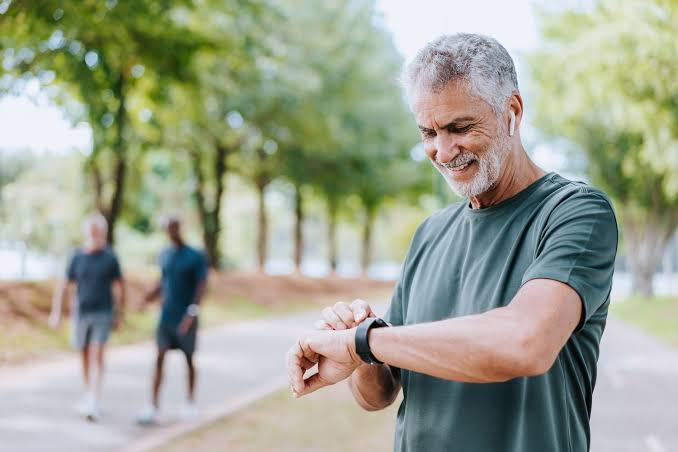
Healthy aging isn’t about avoiding birthdays, it’s about maintaining independence and quality of life. Walking contributes to:
- Better mobility
- Stronger muscles
- Healthier bones
- Improved cardiovascular fitness
- Better cognitive function
Many researchers consider walking one of the most sustainable lifelong exercises.
12. Helps Regulate Blood Sugar
After meals, blood glucose naturally rises. Walking encourages muscles to use glucose as fuel, helping support healthy blood sugar regulation. Even a 10–15 minute walk after eating may be beneficial for many people. For individuals concerned about blood sugar management, consistent daily movement is an important lifestyle habit.
13. Strengthens Bones
Walking is a weight-bearing exercise. Weight-bearing activities encourage bones to maintain their strength over time. Regular walking may help reduce age-related bone loss when combined with adequate calcium, vitamin D, and resistance exercise.
14. Boosts Creativity
Have you ever noticed that ideas seem to come more easily while walking? Research suggests walking may improve creative thinking by encouraging flexible thought processes. Many writers, scientists, and entrepreneurs have relied on daily walks to solve problems and generate new ideas. Walking breaks can be especially valuable during mentally demanding workdays.
15. Encourages Better Posture
Walking strengthens core muscles while promoting proper spinal alignment. Pay attention to:
- Looking forward rather than down
- Relaxing your shoulders
- Swinging your arms naturally
- Maintaining an upright posture
Good walking form reduces unnecessary strain on the neck and lower back.
16. Supports Immune Health
Regular moderate physical activity supports normal immune system function. Although walking won’t prevent every illness, maintaining an active lifestyle contributes to overall health and resilience. Combining walking with nutritious eating, quality sleep, stress management, and vaccinations provides the strongest foundation for immune health.
17. Reduces Sedentary Time
Modern lifestyles often involve prolonged sitting. Many adults spend hours each day:
- Working at a desk
- Driving
- Watching television
- Using electronic devices
Walking helps interrupt long periods of sitting, which has been linked to several chronic health conditions. Even short movement breaks throughout the day can be beneficial.

18. Builds Healthy Habits
Walking is often easier to maintain than more complicated fitness programs. Because it requires little preparation, walking can become part of your daily routine. Examples include:
- Walking after meals
- Parking farther away
- Taking walking meetings
- Walking while talking on the phone
- Choosing stairs instead of elevators
Small habits performed consistently often produce lasting results.
19. Improves Mood
Walking stimulates the release of natural chemicals associated with positive emotions. Many people report feeling calmer and happier after just 20–30 minutes of walking. Walking with family, friends, or pets can also strengthen social connections, which further supports emotional well-being.
20. May Help You Live Longer
One of the strongest findings from long-term health research is that physically active people tend to have lower risks of premature death than inactive individuals. Walking contributes to longevity by supporting:
- Heart health
- Healthy blood sugar
- Healthy body weight
- Better mobility
- Improved mental health
- Reduced chronic disease risk
While no single habit guarantees a long life, regular walking is one of the most evidence-supported lifestyle choices for healthy aging.
Small Steps Add Up
The biggest lesson from walking research is that every step counts. You don’t have to reach exactly 10,000 steps a day to experience meaningful health benefits. Increasing your daily movement, whether it’s 3,000, 6,000, or 8,000 steps is often far better than remaining sedentary.
Walking consistently can improve your heart, strengthen your muscles, sharpen your mind, support better sleep, and enhance your overall quality of life. Instead of focusing on a perfect number, aim to make walking a regular part of your routine.

How Many Steps Should You Walk Each Day?
If you’ve made it this far, you might still be wondering: If I don’t need exactly 10,000 steps a day, then how many steps should I actually aim for? The answer depends on several factors, including your age, current activity level, health goals, and overall fitness. Modern research suggests that there isn’t a single “perfect” step count for everyone. Instead, the ideal number is one that encourages you to move more than you do now while remaining realistic and sustainable. Let’s take a closer look at what the science says.
Is 10,000 Steps Really Necessary?
The short answer is no. Despite its popularity, 10,000 steps is not an official medical recommendation. It became widely recognized because it is easy to remember and provides a motivating target. Recent studies suggest that health benefits begin long before reaching 10,000 steps. For many adults:
- 3,000–4,000 steps: Better than being completely sedentary.
- 5,000–7,000 steps: Associated with meaningful health improvements.
- 7,000–9,000 steps: Often linked to lower risks of chronic disease and premature death.
- 10,000+ steps: Can provide additional benefits, especially when combined with a brisk walking pace.
The key takeaway is simple: Walking more than you currently do is often more important than reaching a specific number.
Recommended Daily Step Goals
While there isn’t one universal recommendation, these ranges can help you set realistic goals.
Beginners
If you’re currently inactive:
Start with 4,000–5,000 steps per day.
Once this feels comfortable, increase your daily average by about 500–1,000 steps every one or two weeks.
Gradual progress is far easier to maintain than trying to jump immediately to 10,000 steps.
Average Healthy Adults
Many adults benefit from walking between:
7,000–10,000 steps per day
This level of activity supports heart health, mobility, weight management, and overall wellness.
Active Individuals
People who already exercise regularly may naturally reach:
- 10,000
- 12,000
- 15,000 steps
These higher numbers are perfectly fine if they fit your lifestyle and don’t cause excessive fatigue or injury.
Older Adults
Walking remains one of the safest and most effective forms of exercise for healthy aging. Many older adults experience significant health benefits from 6,000–8,000 daily steps, depending on mobility and medical conditions. The focus should always be on consistency rather than chasing a particular number.
Walking for Weight Loss
Many people start walking because they want to lose weight.
Can walking help?
Yes, but walking alone isn’t the entire solution. Weight loss occurs when you consistently burn more calories than you consume. Walking contributes by:
- Increasing daily calorie expenditure
- Improving insulin sensitivity
- Preserving muscle during weight loss
- Making it easier to maintain an active lifestyle
A brisk 30–60 minute walk can burn a meaningful number of calories depending on factors such as body weight, pace, terrain, and fitness level. For the best results, combine walking with:
- A balanced diet
- Strength training
- Quality sleep
- Stress management
Walking supports weight loss most effectively as part of a healthy lifestyle rather than as a standalone strategy.
Does Walking Speed Matter?
Absolutely. While total daily steps are important, walking intensity also influences health benefits. There are three general walking speeds:
Leisurely Walking
- Comfortable pace
- Easy conversation
- Suitable for beginners
Moderate Walking
- Faster breathing
- Slightly increased heart rate
- Still able to talk comfortably
This pace is often recommended for improving cardiovascular fitness.
Brisk Walking
- Noticeably faster
- Heart working harder
- Slightly challenging but sustainable
Brisk walking burns more calories and strengthens the heart more effectively than slow walking. However, remember that slow walking is still far better than not walking at all.
Walking Indoors vs. Outdoors
Many people wonder whether walking on a treadmill provides the same benefits as walking outside. The good news is that both options can support your health.
Outdoor Walking
Advantages include:
- Fresh air
- Natural sunlight
- Uneven terrain that challenges balance
- Opportunities to reduce stress
- Connection with nature
Walking in parks or green spaces may also improve mood and mental well-being.
Indoor Walking
Indoor walking is ideal when:
- Weather is poor
- Air quality is unhealthy
- You prefer a controlled environment
- You’re recovering from an injury
Walking on a treadmill also allows you to control speed and incline more precisely. Ultimately, the best option is the one you enjoy and can maintain consistently.
📷 Image Suggestion: Split image comparing a treadmill walk and a walk through a green park.
Morning Walk vs. Evening Walk
One of the most common questions people ask is:
What’s the best time to walk?
The answer is simple:
The best time to walk is the time you’ll actually stick with.
However, each option offers unique benefits.
Morning Walk
Benefits include:
- Boosts energy for the day
- Exposure to natural daylight
- Helps regulate your body clock
- Encourages consistency
- May improve mood before work or school
Many people also enjoy the peaceful atmosphere of early mornings.
Evening Walk
Benefits include:
- Helps unwind after work
- Reduces stress
- Supports digestion after dinner
- Provides time with family or friends
- May improve relaxation before bedtime
If you enjoy walking after dinner, keep the pace moderate rather than intense close to bedtime.
Common Walking Mistakes

Walking is simple, but a few common mistakes can reduce its effectiveness or increase your risk of discomfort.
1. Wearing Unsupportive Shoes
Poor footwear can contribute to:
- Foot pain
- Knee discomfort
- Blisters
- Lower back pain
Choose comfortable shoes that provide adequate cushioning and support.
2. Sitting All Day
Some people believe reaching 10,000 steps cancels out an otherwise sedentary day. Sitting can still affect health. Try standing up and moving for a few minutes every hour.
3. Increasing Steps Too Quickly
Jumping from 2,000 steps to 15,000 overnight increases the risk of soreness or overuse injuries. Increase gradually to allow your body time to adapt.
4. Ignoring Strength Training
Walking is excellent for cardiovascular health, but it doesn’t strengthen every muscle group equally. For overall fitness, combine walking with:
- Resistance training
- Flexibility exercises
- Balance exercises
5. Poor Walking Posture
Good posture improves both comfort and efficiency. Remember to:
- Keep your head up.
- Look ahead rather than at your phone.
- Relax your shoulders.
- Engage your core.
- Swing your arms naturally.
- Land smoothly with each step.
Small adjustments can make walking feel easier and reduce unnecessary strain.
Easy Ways to Increase Your Daily Step Count
If reaching your step goal feels difficult, you don’t need to set aside an extra hour every day. Small changes throughout the day can add hundreds, or even thousands of additional steps. Here are some simple ideas:
- Take the stairs instead of the elevator.
- Park farther from your destination.
- Walk while talking on the phone.
- Take a short walk after each meal.
- Schedule walking meetings when possible.
- Walk your dog more often.
- Get off public transportation one stop early.
- Explore local parks or nature trails on weekends.
- Set hourly reminders to stand up and move.
- Walk around your home during TV commercials or while listening to podcasts.
These habits may seem small, but together they can significantly increase your daily activity without feeling overwhelming.
Every Step Counts
One of the biggest misconceptions about walking is that anything less than 10,000 steps is a failure. Science tells a different story. Health isn’t determined by crossing a single number on your fitness tracker. Instead, it is built through consistent movement, gradual progress, and healthy habits practiced over time. Whether you walk 4,000, 7,000, or 12,000 steps, every additional step contributes to a healthier body and mind. Rather than chasing perfection, focus on becoming a little more active than you were yesterday.
Frequently Asked Questions
Even after learning about the science behind daily walking, many people still have questions about step counts, weight loss, and building a sustainable routine. Here are evidence-based answers to some of the most common questions.
1. Do I Really Need to Walk 10,000 Steps Every Day?
No.
The 10,000-step goal is a useful motivational target, but it isn’t a strict medical recommendation. Research suggests that many adults experience significant health benefits at 6,000–8,000 steps per day, while people who are less active can improve their health simply by increasing their daily movement. Instead of worrying about hitting exactly 10,000 steps, focus on walking more than you currently do and staying consistent over time.
2. Is Walking Better Than Running?
Walking and running both provide excellent health benefits. Walking is:
- Easier on the joints
- Suitable for most ages
- Easier to maintain long term
- Lower risk of injury
Running generally burns more calories in less time and may improve cardiovascular fitness more quickly. The best choice depends on your goals, fitness level, and any medical conditions. For many people, walking is a practical and sustainable form of exercise.
3. How Many Calories Does Walking 10,000 Steps Burn?
There isn’t a single answer because calorie burn depends on:
- Body weight
- Walking speed
- Terrain
- Fitness level
- Age
On average, 10,000 steps may burn approximately 300–500 calories for many adults. However, calorie burn should not be the only reason to walk. Daily walking also supports heart health, mental well-being, mobility, and overall fitness.
4. Can Walking Help You Lose Belly Fat?
Walking can contribute to fat loss, including abdominal fat, when combined with a healthy calorie intake and regular physical activity. However, it’s important to understand that spot reduction isn’t possible. You cannot choose where your body loses fat first. Consistent walking, strength training, balanced nutrition, quality sleep, and stress management work together to support healthy body composition over time.
5. What If I Can Only Walk 5,000 Steps?
That’s perfectly okay. Walking 5,000 steps every day is still much better than living a sedentary lifestyle. Once that becomes comfortable, you can gradually increase your goal if you wish. Remember:
Progress matters more than perfection.
6. Is Walking Every Day Safe?
For most healthy adults, yes. Walking is considered one of the safest forms of exercise. However, if you’re recovering from an injury or have certain medical conditions, it’s a good idea to speak with your healthcare provider before starting a new exercise routine. Listen to your body. If walking causes significant pain, dizziness, or unusual symptoms, stop exercising and seek medical advice.
7-Day Walking Challenge
If you’re ready to become more active, this simple challenge can help you build a sustainable walking habit.
Day 1
Walk for 15 minutes. Don’t worry about your step count, just get moving.
Day 2
Take a 10-minute walk after one meal. Notice how you feel afterward.
Day 3
Aim for 5,000–6,000 steps. If needed, divide them into shorter walks throughout the day.
Day 4
Take a 20–30 minute brisk walk. Focus on maintaining good posture and swinging your arms naturally.
Day 5
Choose the stairs instead of the elevator whenever possible. Add one extra walking break during your work or study day.
Day 6
Spend part of your walk outdoors in a park or green space. Pay attention to your breathing and surroundings rather than your phone.
Day 7
Set your own realistic long-term daily step goal based on your current fitness level. Celebrate your progress and plan how you’ll continue walking regularly next week.
Weekly Walking Checklist
Use this checklist each week to stay motivated.
✅ Walked at least 30 minutes most days
✅ Reached my personal daily step goal
✅ Took movement breaks every hour
✅ Wore supportive walking shoes
✅ Maintained good walking posture
✅ Drank enough water
✅ Walked outdoors at least twice
✅ Performed light stretching after longer walks
✅ Slept 7–9 hours each night
✅ Ate balanced meals
✅ Limited prolonged sitting
✅ Stayed consistent even on busy days
✅ Enjoyed walking with family or friends
✅ Chose stairs whenever possible
✅ Celebrated my progress instead of aiming for perfection
Conclusion
Walking is one of the simplest, safest, and most effective ways to improve your health. While the idea of 10,000 steps a day has become deeply ingrained in fitness culture, the latest research shows that there is no magical number that everyone must achieve.
The most important message is simple: move more than you do today.
Whether you currently walk 3,000, 6,000, or 10,000 steps, increasing your daily activity can support heart health, improve mood, strengthen muscles and bones, enhance sleep quality, reduce stress, and contribute to healthy aging. Instead of chasing perfection, focus on consistency. A realistic walking routine that fits your lifestyle is far more valuable than an ambitious goal that is difficult to maintain. Remember that walking works best alongside other healthy habits, including nutritious eating, regular strength training, quality sleep, hydration, and stress management.
Every step you take is an investment in your long-term health. Start where you are, build gradually, and enjoy the journey toward a healthier, more active life.
You might also like

Ultra-Processed Foods Explained: Should You Really Avoid Them?
📋 Table of Contents 1. Unprocessed or Minimally Processed Foods 2. Processed Culinary Ingredients 3. Processed…

Is Sitting Really the New Smoking? What Too Much Sitting Does to Your Body
📋 Table of Contents Here's what the science says: Your Muscles Become Less Active Blood Flow…

What Happens to Your Body When You Quit Added Sugar for 30 Days? A Science-Backed Guide
📋 Table of Contents Natural Sugars Added Sugars Blood Sugar Fluctuations Habits Emotional Eating Food Environment…