
Ceramides Explained: Why Your Skin Barrier Loves Them
📋 Table of Contents
- 1. Lock in Moisture
- 2. Reduce Transepidermal Water Loss (TEWL)
- 3. Protect Against Irritants and Pollution
- 4. Support Healthy-Looking Skin
- Aging
- Harsh Cleansers
- Over-Exfoliation
- Cold Weather
- Sun Damage
- Different Types of Ceramides
- How Ceramides Maintain the Barrier
- What Does Research Say About Barrier Repair?
- Dry Skin
- Sensitive Skin
- Mature Skin
- People Using Retinoids or Exfoliating Acids
- People Living in Cold or Dry Climates
- Step 1: Cleanse Gently
- Step 2: Apply Hydrating Products (Optional)
- Step 3: Apply a Ceramide Moisturizer
- Step 4: Apply Sunscreen
- Step 1: Remove Makeup and Sunscreen
- Step 2: Apply Treatment Products
- Step 3: Apply Ceramide Moisturizer
- Step 4: Optional Overnight Occlusive
- Hyaluronic Acid
- Glycerin
- Niacinamide
- Squalane
- Petrolatum
- Retinoids
- Alpha Hydroxy Acids (AHAs)
- Beta Hydroxy Acids (BHAs)
- Ceramide Moisturizers
- Ceramide Creams
- Ceramide Lotions
- Ceramide Serums
- Using Too Many Active Ingredients
- Skipping Sunscreen
- Over-Cleansing
- Expecting Overnight Results
- Inconsistent Skincare Routines
- Frequently Asked Questions
- What are ceramides?
- Are ceramides good for all skin types?
- Can I use ceramides every day?
- Can ceramides be used with retinol?
- How long do ceramides take to work?
- Are ceramides safe for acne-prone skin?
- Do natural ceramides decline with age?
- Day 1
- Day 2
- Day 3
- Day 4
- Day 5
- Day 6
- Day 7
Introduction
Walk down the skincare aisle or browse beauty products online, and you’ll likely see one ingredient mentioned repeatedly: ceramides. From moisturizers and cleansers to serums and creams, ceramides have become one of the most recommended skincare ingredients by dermatologists and skincare experts. Whether you’re dealing with dry skin, redness, sensitivity, eczema, or simply want healthier-looking skin, chances are you’ve come across products that promise to “repair the skin barrier with ceramides.” But what exactly are ceramides, and why are they receiving so much attention? Unlike trendy skincare ingredients that quickly come and go, ceramides aren’t new discoveries. In fact, your skin naturally contains them. They are an essential part of your skin’s protective barrier and play a crucial role in keeping your skin healthy, hydrated, and resilient.
When your ceramide levels are healthy, your skin is better able to retain moisture, defend itself against environmental irritants, and maintain a smooth, comfortable appearance. However, when ceramide levels decline whether due to aging, harsh skincare products, excessive sun exposure, or environmental factors., the skin barrier can become weakened. This may lead to dryness, irritation, increased sensitivity, and a dull complexion.
In recent years, growing awareness of skin barrier health has shifted skincare advice away from harsh exfoliation and toward protecting and restoring the skin’s natural defenses. Ceramides are now considered one of the most important ingredients for supporting this process. Fortunately, incorporating ceramides into your skincare routine is simple, and they are suitable for most skin types, including dry, sensitive, mature, and acne-prone skin. In this guide, you’ll learn what ceramides are, where they’re found, how they work, what happens when your skin loses them, and why they have become a cornerstone of modern skincare. You’ll also discover the science behind ceramides and how they help keep your skin healthy for years to come. If you’re new to barrier care, start with our guide Best Vitamins and Minerals for Healthy Skin: What Your Skin Really Needs https://welneez.com/best-vitamins-and-minerals-for-healthy-skin-what-your-skin-really-needs/
Why Ceramides Have Become One of the Most Talked-About Skincare Ingredients
Over the past decade, skincare has become increasingly focused on protecting the skin rather than aggressively treating it. Years ago, many skincare routines encouraged frequent exfoliation, strong cleansing, and using multiple active ingredients at once. While these products can be beneficial when used correctly, overusing them can damage the skin’s protective barrier. Today, dermatologists recognize that maintaining a healthy skin barrier is one of the foundations of good skincare.
This shift has made ceramides one of the most recommended skincare ingredients because they help strengthen and support the skin’s natural defenses. Research suggests that improving the skin barrier may help reduce dryness, irritation, and sensitivity while allowing the skin to better tolerate other skincare ingredients. Rather than masking skin problems, ceramides support one of the body’s own natural protective systems.
Why Healthy Skin Starts with a Strong Barrier
Your skin is the body’s largest organ. Every day, it protects you from:
- Pollution
- UV radiation
- Bacteria
- Viruses
- Irritants
- Allergens
- Physical injury
- Water loss
Without a healthy skin barrier, moisture escapes more easily while harmful substances from the environment can penetrate the skin more readily. A damaged barrier often leads to:
- Dryness
- Tightness
- Flaking
- Redness
- Sensitivity
- Itching
- Burning after skincare
- Rough texture
Because ceramides form a major part of this protective barrier, maintaining healthy ceramide levels is essential for comfortable, resilient skin.
What Will You Learn in This Guide?
By the end of this article, you’ll understand:
- What ceramides are
- Why they’re naturally present in your skin
- How they support the skin barrier
- Why ceramide levels decrease
- The science behind ceramide skincare
- Who benefits most from ceramides
- How to choose and use ceramide products effectively
Whether you’re just beginning a skincare routine or looking to improve an existing one, understanding ceramides can help you make more informed choices.
What Are Ceramides?
Ceramides are naturally occurring lipids (fats) that make up a large portion of the skin’s outer protective layer. Although “fat” may sound undesirable, these lipids are essential for healthy skin. In fact, ceramides account for around half of the lipids in the outermost layer of the skin, making them one of the most important structural components of the skin barrier. Rather than acting as a moisturizer themselves, ceramides help the skin retain its own moisture while strengthening the protective barrier. Think of ceramides as one of the building materials that keep your skin healthy from the inside out.
Why Are Ceramides Essential for Healthy Skin?
Healthy skin depends on maintaining a strong, intact barrier. Ceramides help by:
- Preventing excessive water loss
- Keeping skin hydrated
- Supporting smooth skin texture
- Helping protect against environmental stressors
- Reducing skin sensitivity
- Supporting skin comfort
- Helping maintain flexibility
When ceramide levels are sufficient, skin often feels softer, smoother, and better hydrated. When they become depleted, the barrier weakens, making it harder for the skin to perform its protective functions.
Where Are Ceramides Found?
Ceramides are concentrated in the stratum corneum, the outermost layer of the epidermis. Although this layer is very thin, it performs one of the body’s most important protective functions. It serves as the first line of defense between your body and the outside environment.
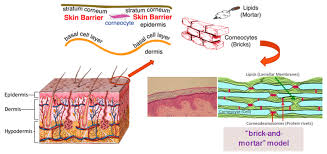
Understanding the “Brick and Mortar” Analogy
Dermatologists often explain the skin barrier using the brick and mortar analogy. Imagine a brick wall.
- The bricks represent dead skin cells called corneocytes.
- The mortar between the bricks represents lipids, including ceramides, cholesterol, and fatty acids.
When the mortar is strong, the wall remains solid and keeps moisture inside while preventing unwanted substances from entering. When the mortar begins to break down, gaps form in the wall. As a result:
- Water escapes more easily.
- Skin becomes dry.
- Irritants penetrate more easily.
- Sensitivity increases.
- The skin barrier becomes less effective.
Ceramides play one of the biggest roles in keeping this “mortar” intact.
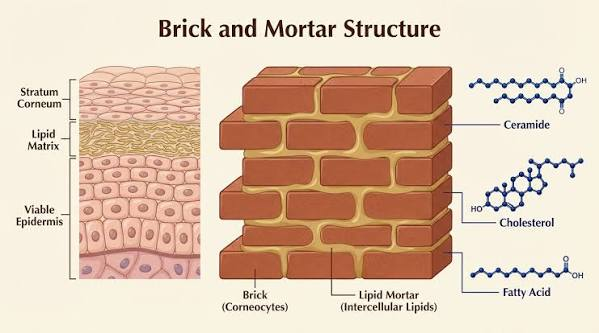
Ceramides, Cholesterol, and Fatty Acids: A Team Effort
Although ceramides receive most of the attention, they don’t work alone. The skin barrier also relies on:
- Cholesterol
- Free fatty acids
Together, these lipids create a protective matrix that seals the spaces between skin cells. Think of them as a construction team. Each component has a different job, but all three are needed to build and maintain a healthy barrier. Many barrier-repair moisturizers include all three ingredients because they work together to support hydration and barrier function.
What Do Ceramides Do?
Ceramides perform several essential functions that help keep skin healthy.
1. Lock in Moisture
One of the primary roles of ceramides is reducing water loss. Healthy ceramide levels help the skin retain moisture throughout the day, leaving it feeling softer and more comfortable. This is one reason ceramide-rich moisturizers are frequently recommended for dry skin.
2. Reduce Transepidermal Water Loss (TEWL)
Your skin naturally loses small amounts of water through a process called transepidermal water loss (TEWL). Some water loss is normal. However, when the skin barrier is damaged, TEWL increases. Higher TEWL can contribute to:
- Dryness
- Flaking
- Tightness
- Roughness
- Increased sensitivity
Ceramides help reinforce the skin barrier, reducing excessive water loss and supporting long-lasting hydration.
3. Protect Against Irritants and Pollution
The skin barrier acts like a protective shield. Ceramides help strengthen this shield so the skin is better able to resist:
- Air pollution
- Dust
- Allergens
- Irritating chemicals
- Everyday environmental stressors
While no skincare ingredient creates an impenetrable barrier, maintaining healthy ceramide levels helps the skin function as intended.
4. Support Healthy-Looking Skin
Healthy barrier function often leads to skin that appears:
- Smoother
- Softer
- More hydrated
- More comfortable
- More radiant
Rather than delivering dramatic overnight results, ceramides work by supporting the skin’s natural protective processes over time.
What Happens When Ceramide Levels Drop?
Ceramide levels naturally decline over time and may also be reduced by environmental or lifestyle factors. When this happens, the skin barrier becomes less efficient at retaining moisture and protecting the skin.
Aging
As we grow older, natural ceramide production decreases. This contributes to:
- Dryness
- Fine lines
- Rough texture
- Increased skin sensitivity
This is one reason mature skin often benefits from ceramide-containing moisturizers.
Harsh Cleansers
Cleansers containing strong detergents can strip away some of the skin’s natural lipids if used too frequently or if they’re too harsh for your skin type. Using gentle, pH-balanced cleansers can help preserve the skin barrier.
Over-Exfoliation
Using exfoliating acids or scrubs too often may weaken the skin barrier by removing protective lipids faster than the skin can replace them. Signs of over-exfoliation include:
- Redness
- Burning
- Tightness
- Increased sensitivity
- Peeling
Cold Weather
Low humidity and cold temperatures can reduce moisture in the skin, making it more prone to dryness and irritation. Using a ceramide-rich moisturizer during colder months can help support barrier function.
Sun Damage
Ultraviolet (UV) radiation doesn’t just increase the risk of premature skin aging, it can also impair the skin barrier over time. Daily sunscreen use helps protect both the skin barrier and overall skin health.
Learn how lifestyle choices influence your complexion in “How Diet Affects Your Skin.” https://welneez.com/how-diet-affects-your-skin-the-science-behind-clear-glowing-skin/
Hydration also plays a role in overall skin health. Read How Hydration Affects Your Skin Health: The Truth About Drinking Water and Glowing Skin https://welneez.com/how-hydration-affects-your-skin-health-the-truth-about-drinking-water-and-glowing-skin/
12 Science-Backed Benefits of Ceramides
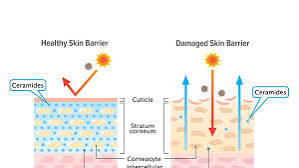
Ceramides have become one of the most recommended skincare ingredients for a simple reason: they help support your skin’s natural protective barrier. Unlike ingredients that work by exfoliating or stimulating cell turnover, ceramides reinforce structures your skin already uses to stay healthy. Research suggests that topical ceramides can improve skin hydration, strengthen barrier function, and reduce transepidermal water loss (TEWL), particularly in people with dry or compromised skin. Because they support the skin rather than aggressively changing it, ceramides are suitable for many skin types and can fit into both simple and advanced skincare routines. Let’s explore the evidence-based benefits of ceramides.
1. Strengthen the Skin Barrier
The skin barrier is your body’s first line of defence against the outside environment. It helps:
- Keep moisture inside the skin
- Block irritants
- Reduce water loss
- Protect against bacteria and pollutants
Ceramides are one of the primary lipids that hold this barrier together. When ceramide levels are adequate, the skin barrier remains stronger and more resilient. When levels decline, gaps may form between skin cells, making it easier for moisture to escape and irritants to enter. Topical ceramide products help replenish these lipids, supporting healthier barrier function.
2. Improve Skin Hydration
One of the most noticeable benefits of ceramides is improved hydration. Hydrated skin tends to feel:
- Softer
- Smoother
- More comfortable
- Less tight
Ceramides don’t add water directly to the skin. Instead, they help prevent excessive moisture from escaping by reinforcing the barrier. This allows the skin to maintain hydration for longer after cleansing and moisturising.
3. Reduce Dryness
Dry skin often results from increased water loss and reduced barrier function. Symptoms may include:
- Flaking
- Rough texture
- Tightness
- Peeling
- Itching
Ceramide-containing moisturisers are commonly recommended because they address one of the underlying causes of dryness rather than simply coating the skin. With consistent use, many people notice skin becoming more comfortable and less flaky.
4. Help Calm Sensitive Skin
Sensitive skin reacts more easily to environmental factors and skincare products. Common triggers include:
- Fragrance
- Harsh cleansers
- Over-exfoliation
- Weather changes
- Certain active ingredients
A weakened skin barrier often contributes to this sensitivity. Because ceramides help restore barrier function, they may reduce feelings of:
- Tightness
- Burning
- Stinging
- Irritation
They are frequently included in products designed for sensitive skin because they support the skin without being harsh.
5. Reduce Moisture Loss
Even healthy skin naturally loses small amounts of water through transepidermal water loss (TEWL). When the barrier is damaged, TEWL increases. Higher TEWL may lead to:
- Dryness
- Roughness
- Increased sensitivity
- Poor skin comfort
Ceramides strengthen the lipid layer that helps regulate water movement, reducing excessive moisture loss and supporting longer-lasting hydration. Barrier-supporting skincare often focuses on lowering TEWL rather than simply adding more moisture.
6. Support Eczema-Prone Skin
People with eczema (atopic dermatitis) often have reduced ceramide levels in their skin barrier. This weakened barrier allows more water to escape and makes it easier for irritants and allergens to penetrate the skin. While ceramides are not a cure for eczema, ceramide-rich moisturisers are commonly recommended as part of a skincare routine to help:
- Improve hydration
- Support barrier repair
- Reduce dryness
- Increase skin comfort
People with eczema should follow advice from their healthcare professional or dermatologist regarding treatment.
7. Improve Skin Texture
Healthy skin tends to feel smooth and supple. When the barrier is damaged, the skin may become:
- Rough
- Flaky
- Uneven
- Tight
As hydration improves and barrier function is restored, many people notice their skin feeling softer and smoother. Improved texture develops gradually through consistent skincare rather than overnight.
8. Help Protect Against Environmental Stressors
Every day your skin encounters:
- Air pollution
- Wind
- Dry indoor heating
- Cold weather
- Dust
- UV radiation
Although sunscreen remains essential for UV protection, a healthy skin barrier provides additional defence against many everyday environmental stressors. Ceramides strengthen this protective barrier, helping the skin better withstand daily exposure to challenging conditions.
9. Complement Anti-Ageing Routines
Many anti-ageing ingredients such as retinoids and exfoliating acids work by increasing cell turnover. While effective for some people, these products may also cause temporary dryness or irritation, especially when first introduced. Ceramides complement these routines by supporting barrier recovery and helping reduce dryness associated with some active ingredients. Rather than replacing anti-ageing ingredients, ceramides often work alongside them to improve skin comfort and tolerance.
10. Support Healthier-Looking Skin
Healthy-looking skin isn’t defined by perfection. Instead, it often appears:
- Hydrated
- Smooth
- Comfortable
- Even in texture
- Naturally radiant
Because ceramides support the barrier that keeps skin functioning properly, they contribute to an overall healthier appearance. The improvement usually comes from better hydration and barrier integrity rather than dramatic cosmetic changes.
11. Work Well with Other Skincare Ingredients
One reason ceramides are so popular is their compatibility with many other skincare ingredients. They are often paired with:
- Hyaluronic acid
- Glycerin
- Niacinamide
- Squalane
- Petrolatum
These combinations can provide hydration while also reinforcing the skin barrier. For example:
- Hyaluronic acid attracts water to the skin.
- Ceramides help keep that moisture from escaping.
- Glycerin acts as a humectant that draws moisture into the outer layers of the skin.
- Squalane helps soften and support the skin barrier.
Together, these ingredients often create well-rounded moisturising products.
12. Suitable for Many Skin Types
Unlike some active ingredients that target specific concerns, ceramides can benefit a wide range of people. They are commonly recommended for:
- Dry skin
- Sensitive skin
- Mature skin
- Combination skin
- Acne-prone skin
- Normal skin
Because ceramides naturally occur in healthy skin, they are generally well tolerated when used in skincare products. People with allergies or specific skin conditions should always review ingredient lists and patch test new products if advised.
The Science Behind Ceramides
Ceramides have been studied extensively because of their central role in skin barrier function. Scientists have identified multiple ceramide molecules naturally present within human skin. Although product labels may list different ceramide names, their shared purpose is to help maintain the organisation and integrity of the outer skin barrier.
Different Types of Ceramides
Researchers have identified numerous naturally occurring ceramides in the skin. In skincare products, you may see ingredients such as:
- Ceramide NP
- Ceramide AP
- Ceramide EOP
- Ceramide NS
- Ceramide EOS
These names describe different molecular structures. Many moisturisers include a blend of ceramides because healthy skin naturally contains multiple ceramide types working together.
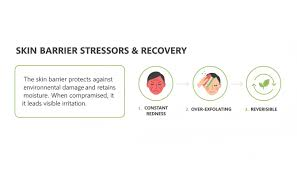
How Ceramides Maintain the Barrier
Imagine the outer skin layer as a carefully built wall.
- Skin cells act as the bricks.
- Ceramides, cholesterol, and fatty acids form the mortar.
When the mortar is intact:
- Moisture stays inside.
- Irritants stay outside.
- The skin feels comfortable and hydrated.
When ceramide levels decline, tiny gaps develop in the barrier. This allows:
- Increased water loss
- Greater sensitivity
- Easier penetration of irritants
- Reduced barrier function
Ceramide-rich skincare helps replenish these lipids and supports restoration of the barrier.
What Does Research Say About Barrier Repair?
Research suggests that moisturisers containing ceramides can improve barrier function and reduce transepidermal water loss, particularly in people with dry or compromised skin. Many studies also show improvements in:
- Skin hydration
- Dryness
- Roughness
- Barrier integrity
However, skincare is highly individual. Results vary depending on the person’s skin type, the product formulation, and how consistently it is used. Ceramides work best as part of an overall skincare routine that includes gentle cleansing, moisturising, and daily sun protection.
Who Can Benefit Most from Ceramides?
Although nearly everyone can benefit from maintaining a healthy skin barrier, certain groups may notice the greatest improvements.
Dry Skin
People with dry skin often have reduced barrier function and increased TEWL. Ceramide-rich moisturisers help replenish barrier lipids and improve hydration over time.
Sensitive Skin
Those whose skin becomes irritated easily may benefit from barrier-supportive ingredients that help reduce dryness and improve comfort.
Mature Skin
Natural ceramide production declines with age. This contributes to:
- Dryness
- Fine lines becoming more noticeable
- Roughness
- Increased sensitivity
Adding ceramides to a skincare routine may help improve hydration and barrier support.
People Using Retinoids or Exfoliating Acids
Retinoids and chemical exfoliants can temporarily weaken the skin barrier while the skin adapts. Ceramides may help reduce dryness and improve tolerance during this adjustment period. Always introduce active ingredients gradually and follow product instructions or professional advice.
People Living in Cold or Dry Climates
Cold weather, low humidity, and indoor heating can increase moisture loss from the skin. Using ceramide-rich moisturisers during colder months may help maintain hydration and reduce seasonal dryness.
How to Use Ceramides in Your Skincare Routine
Adding ceramides to your skincare routine is one of the easiest ways to support your skin barrier. Unlike many active ingredients that require gradual introduction or careful scheduling, ceramides are generally well tolerated and can be used daily by most people. The key is consistency. Ceramides don’t work by producing dramatic overnight changes. Instead, they gradually replenish the skin’s natural lipids, helping the barrier become stronger and more effective over time. Whether your goal is to reduce dryness, calm sensitive skin, or protect your skin while using active ingredients like retinoids, ceramides can become a reliable part of both your morning and evening routine.
Morning Ceramide Skincare Routine
Your morning routine should focus on protecting your skin from environmental stressors such as UV radiation, pollution, wind, and dry air while maintaining hydration throughout the day.
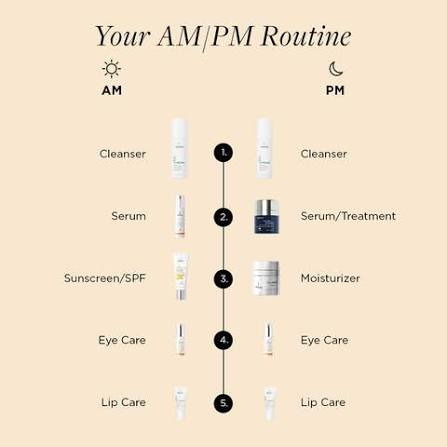
Step 1: Cleanse Gently
If your skin feels oily in the morning, wash your face with a gentle cleanser. If your skin is very dry or sensitive, some people may only need to rinse with lukewarm water. Avoid harsh cleansers that leave your skin feeling tight or squeaky clean, as these may remove some of the skin’s natural protective lipids.
Step 2: Apply Hydrating Products (Optional)
If you use a hydrating serum, apply it to slightly damp skin before your moisturizer. Hydrating ingredients help attract moisture to the skin, while ceramides help keep that moisture from escaping.
Step 3: Apply a Ceramide Moisturizer
This is the most important step for strengthening the skin barrier. A ceramide moisturizer helps:
- Reduce moisture loss
- Support barrier repair
- Keep skin comfortable
- Improve hydration throughout the day
Use enough product to cover your face and neck evenly.
Step 4: Apply Sunscreen
Daily sunscreen is essential. Even the best moisturizer cannot protect your skin from ultraviolet (UV) damage. Choose a broad-spectrum sunscreen with SPF 30 or higher and apply it every morning, even on cloudy days if you’ll be outdoors. Ceramides and sunscreen work well together because sunscreen protects against UV damage while ceramides help maintain a healthy skin barrier.
Evening Ceramide Skincare Routine
Nighttime is when many people use active skincare ingredients and allow the skin time to recover. A simple evening routine might look like this.
Step 1: Remove Makeup and Sunscreen
Use a gentle cleanser to remove sunscreen, makeup, and daily dirt. If you wear heavy makeup, you may prefer a two-step cleansing routine using a cleansing balm followed by a gentle cleanser. Avoid scrubbing aggressively.
Step 2: Apply Treatment Products
If you use products such as:
- Retinoids
- Niacinamide
- Vitamin C (if used at night)
- Exfoliating acids
apply them according to the product instructions or your dermatologist’s advice. Not everyone needs multiple treatment products.
Step 3: Apply Ceramide Moisturizer
Applying a ceramide moisturizer after treatment products helps support the skin barrier and reduce dryness that may occur with some active ingredients. Many dermatologists recommend using barrier-supportive moisturizers alongside retinoids because they may improve comfort during the adjustment period.
Step 4: Optional Overnight Occlusive
People with very dry skin may choose to apply a thin layer of an occlusive moisturizer or petrolatum-based product over their ceramide moisturizer to reduce overnight water loss. This isn’t necessary for everyone but can be helpful during cold weather or periods of increased dryness.
Best Ingredients to Pair with Ceramides
One reason ceramides are so popular is that they work well with many other skincare ingredients. Rather than competing, they often complement one another.
Hyaluronic Acid
Hyaluronic acid is a humectant. It attracts water into the outer layers of the skin. However, hydration works best when that moisture is retained. Ceramides help seal the barrier, making hyaluronic acid even more effective. Together they provide:
- Better hydration
- Improved skin comfort
- Reduced tightness
Glycerin
Like hyaluronic acid, glycerin attracts water into the skin. It has been used safely in skincare for decades and is found in many moisturizers. Combining glycerin with ceramides provides both hydration and barrier support.
Niacinamide
Niacinamide (vitamin B3) is another popular skincare ingredient. Research suggests it may help:
- Improve barrier function
- Reduce redness
- Support oil balance
- Improve uneven skin tone
- Reduce moisture loss
Because both ingredients support barrier health, they are frequently combined in moisturizers and serums. Learn more in “Niacinamide for Skin: Benefits, Uses, and Common Mistakes.”https://welneez.com/niacinamide-for-skin-benefits-how-to-use-it-and-common-mistakes/
Squalane
Squalane is a lightweight moisturizing ingredient that softens the skin without feeling greasy. It helps reduce dryness while supporting the skin barrier. Ceramides and squalane work particularly well together for dry or mature skin.
Petrolatum
Petrolatum forms a protective layer on the skin that reduces water loss. While ceramides strengthen the barrier itself, petrolatum helps prevent moisture from escaping. This combination is especially useful for very dry skin or skin recovering from barrier damage.
Ingredients to Introduce Carefully
Ceramides are generally compatible with most skincare ingredients. However, if your skin barrier is already damaged, some active ingredients may temporarily increase irritation.
Retinoids
Retinoids are among the most effective ingredients for acne and signs of ageing. However, when first introduced they may cause:
- Dryness
- Peeling
- Redness
- Irritation
Using a ceramide moisturizer alongside retinoids may help improve comfort while your skin adjusts. Introduce retinoids gradually according to product directions or professional advice.
Alpha Hydroxy Acids (AHAs)
AHAs such as glycolic acid and lactic acid exfoliate the surface of the skin. Overusing them may weaken the skin barrier. If you’re using AHAs:
- Start slowly.
- Avoid excessive exfoliation.
- Moisturize consistently with ceramides.
Beta Hydroxy Acids (BHAs)
BHAs, such as salicylic acid, are commonly used for oily and acne-prone skin. Although beneficial for many people, frequent use may contribute to dryness. Barrier-supporting moisturizers help maintain balance while using these treatments.
Choosing the Right Ceramide Product
Ceramides are available in many different product types. The best option depends on your skin type and skincare goals.
Ceramide Moisturizers
These are the most popular choice. They provide hydration while helping replenish the skin barrier. Suitable for:
- Most skin types
- Daily use
- Morning and evening routines
Ceramide Creams
Creams are thicker than lotions. Best suited for:
- Dry skin
- Mature skin
- Cold climates
- Winter skincare
They provide longer-lasting moisture.
Ceramide Lotions
Lotions have a lighter texture. They may work well for:
- Normal skin
- Combination skin
- Mild dryness
- Humid climates
Ceramide Serums
Serums often contain ceramides alongside other beneficial ingredients such as:
- Niacinamide
- Hyaluronic acid
- Peptides
These are typically applied before moisturizer for additional barrier support.
Common Mistakes When Using Ceramides
Even gentle skincare ingredients work best when used correctly. Here are some common mistakes to avoid.
Using Too Many Active Ingredients
Layering several strong treatments at once may overwhelm the skin. Instead of using multiple acids, retinoids, and exfoliants together, keep your routine simple and introduce new products gradually.
Skipping Sunscreen
Ceramides strengthen the skin barrier but they do not replace sunscreen. Daily UV protection remains one of the most important habits for maintaining healthy skin.
Over-Cleansing
Washing your face too frequently or using harsh cleansers may strip away the skin’s natural lipids. Most people only need to cleanse twice daily or less if advised by a dermatologist. Choose a gentle cleanser that leaves your skin feeling comfortable rather than tight.
Expecting Overnight Results
Barrier repair takes time. Many people notice improved comfort and hydration within days, but stronger barrier function and lasting improvements often require consistent use over several weeks. Patience is important.
Inconsistent Skincare Routines
Using a ceramide moisturizer occasionally is unlikely to provide the same benefits as daily use. Healthy skin develops through regular habits rather than quick fixes. Following a simple routine every day is generally more effective than frequently changing products.
Keep Your Routine Simple
One of the biggest skincare trends today is actually doing less. Instead of using ten different products, many dermatologists recommend focusing on a few essentials:
- Gentle cleanser
- Ceramide moisturizer
- Sunscreen during the day
- Treatment products only when needed
This approach helps protect the skin barrier while reducing unnecessary irritation. Ceramides fit naturally into this simplified routine because they support the skin’s own protective system rather than working against it.
Learn more about barrier-friendly skincare in “Retinol Explained: Benefits, Side Effects, and How to Use It Safely.” https://welneez.com/retinol-for-beginners-benefits-side-effects-and-how-to-use-it-safely/
Discover how niacinamide complements ceramides in “Niacinamide for Skin: Benefits, Uses, and Common Mistakes.” https://welneez.com/niacinamide-for-skin-benefits-how-to-use-it-and-common-mistakes/
Frequently Asked Questions
What are ceramides?
Ceramides are naturally occurring lipids (fats) found in the outermost layer of your skin, known as the stratum corneum. They make up a significant portion of the skin’s protective barrier and help hold skin cells together, much like mortar holds bricks in place. Their primary role is to keep moisture inside the skin while helping protect against irritants, pollution, and environmental stressors. Both your body and many skincare products contain ceramides. Topical ceramide products help replenish the skin’s natural lipid barrier, especially when it has been weakened by aging, harsh skincare products, or environmental factors.
Are ceramides good for all skin types?
Yes. Ceramides are generally suitable for nearly all skin types because they naturally exist in healthy skin. They are especially beneficial for:
- Dry skin
- Sensitive skin
- Mature skin
- Dehydrated skin
- Combination skin
- Acne-prone skin
- Skin with a damaged barrier
People with very oily skin can also benefit from lightweight ceramide lotions or gel creams that provide barrier support without feeling heavy. As with any new skincare product, it’s wise to patch test first, especially if you have allergies or highly reactive skin.
Can I use ceramides every day?
Absolutely. Ceramides are designed for daily use and are gentle enough to be applied both morning and evening. Unlike stronger active ingredients that may need gradual introduction, ceramides are intended to support your skin continuously. Consistent daily use is often the best way to maintain a healthy skin barrier and long-lasting hydration.
Can ceramides be used with retinol?
Yes. Ceramides and retinol complement each other very well. Retinol helps improve skin texture, support collagen production, and address signs of aging, but it can sometimes cause temporary dryness or irritation particularly when first introduced. Ceramides help:
- Support the skin barrier
- Reduce moisture loss
- Improve hydration
- Increase skin comfort
Many dermatologists recommend applying a ceramide moisturizer after retinol to help minimise irritation while your skin adjusts.
Learn more in “Retinol Explained: Benefits, Side Effects, and How to Use It Safely.”https://welneez.com/retinol-for-beginners-benefits-side-effects-and-how-to-use-it-safely/
How long do ceramides take to work?
Some people notice improved hydration and softer-feeling skin within a few days of regular use. However, repairing a weakened skin barrier is a gradual process. Many people see more noticeable improvements after 2–4 weeks of consistent use, though the exact timeline varies depending on:
- Your skin type
- The condition of your skin barrier
- Environmental factors
- The products you’re using
- How consistently you follow your routine
Patience and consistency are key to seeing long-term results.
Are ceramides safe for acne-prone skin?
Yes. Ceramides do not clog pores on their own and are commonly included in products designed for acne-prone skin. In fact, many acne treatments can dry out the skin or temporarily weaken the skin barrier. Adding a ceramide moisturizer may help improve comfort and reduce dryness while supporting the skin’s natural protective function. If you have acne-prone skin, choose products labelled as non-comedogenic, meaning they are formulated to be less likely to block pores.
Do natural ceramides decline with age?
Yes. As part of the natural aging process, your skin gradually produces fewer ceramides. This decline contributes to:
- Dryness
- Reduced elasticity
- Rough texture
- Increased sensitivity
- More noticeable fine lines
While aging cannot be stopped, using ceramide-rich skincare products may help replenish the skin barrier and improve hydration, making the skin feel more comfortable and resilient.
7-Day Skin Barrier Reset Challenge
If your skin feels dry, tight, or easily irritated, this simple challenge can help you focus on barrier-friendly habits.
Day 1
✔ Switch to a gentle cleanser.
Day 2
✔ Apply a ceramide moisturizer morning and night.
Day 3
✔ Avoid harsh exfoliants and facial scrubs.
Day 4
✔ Wear a broad-spectrum SPF 30+ sunscreen during the day.
Day 5
✔ Drink enough water and eat a balanced diet that includes healthy fats.
Day 6
✔ Simplify your routine by removing unnecessary products.
Day 7
✔ Get 7–9 hours of sleep and evaluate how your skin feels compared with the start of the week.
Remember, lasting improvements come from maintaining these habits beyond seven days.
Weekly Healthy Skin Checklist
Use this checklist each week to help maintain a healthy skin barrier.
✔ Cleaned skin gently
✔ Used a ceramide moisturizer twice daily
✔ Applied sunscreen every morning
✔ Avoided over-exfoliating
✔ Stayed hydrated
✔ Ate nutrient-rich meals
✔ Included healthy fats in your diet
✔ Slept 7–9 hours most nights
✔ Managed stress with relaxation techniques
✔ Avoided picking at your skin
✔ Introduced new products gradually
✔ Removed makeup before bed
✔ Protected skin during cold or windy weather
✔ Maintained a consistent skincare routine
Conclusion
Healthy skin isn’t built on a single miracle ingredient or an overly complicated routine. Instead, it depends on maintaining a strong, well-functioning skin barrier and ceramides play a central role in that process. As naturally occurring lipids, ceramides help hold the outer layer of your skin together, reducing moisture loss while protecting against everyday environmental stressors. When ceramide levels decline due to aging, harsh skincare products, weather, or other factors, your skin may become dry, irritated, and more sensitive.
Adding a ceramide-rich moisturizer or serum to your routine is a simple, science-supported way to help reinforce your skin barrier. Combined with gentle cleansing, daily sunscreen, adequate hydration, quality sleep, and a balanced diet, ceramides can contribute to healthier, more resilient skin over time. Rather than chasing quick fixes, focus on building sustainable skincare habits. Consistency is often the most effective strategy for long-term skin health.
You might also like

How to Get Glowing Skin Naturally: 25 Science-Backed Tips
📋 Table of Contents What Does “Glowing Skin” Actually Mean? 1. Wear Sunscreen Every Day 2.…

Vitamin C for Skin: Benefits, How to Use It, and Common Mistakes
📋 Table of Contents What Is Vitamin C? Benefits of Vitamin C for Skin 1. Brightens…
Niacinamide for Skin: Benefits, How to Use It, and Common Mistakes
📋 Table of Contents What Is Niacinamide? How Does Niacinamide Work? Benefits of Niacinamide for Skin…