
What Happens to Your Body When You Quit Added Sugar for 30 Days? A Science-Backed Guide

📋 Table of Contents
- Natural Sugars
- Added Sugars
- Blood Sugar Fluctuations
- Habits
- Emotional Eating
- Food Environment
- Sleep and Stress
- What Helps During the First Day?
- Why Do Cravings Feel So Strong?
- Habit
- Blood Sugar Stability
- Taste Bud Adaptation
- Why Does This Happen?
- 1. Read Nutrition Labels
- 2. Drink More Water
- 3. Eat More Protein
- 4. Increase Your Fiber Intake
- 5. Never Skip Meals
- 6. Get Enough Sleep
- 7. Manage Stress
- 8. Keep Healthy Snacks Available
- 9. Cook More Meals at Home
- 10. Reduce Sugar Gradually
- A Note About Sweeteners
- Step 1: Check the Nutrition Facts Panel
- Step 2: Read the Ingredient List
- Step 3: Compare Similar Products
- Myth 1: Fruit Is Bad Because It Contains Sugar
- Myth 2: Honey Isn't Sugar
- Myth 3: Brown Sugar Is Healthier Than White Sugar
- Myth 4: Artificial Sweeteners Are Always Harmful
- Myth 5: You Must Eliminate Sugar Completely
- 1. Is It Healthy to Quit Added Sugar?
- 2. Can Quitting Sugar Help You Lose Weight?
- 3. Will My Skin Improve If I Eat Less Sugar?
- 4. How Much Added Sugar Is Recommended?
- 5. Can I Still Eat Fruit During a No Added Sugar Challenge?
- 6. Can I Ever Eat Dessert Again?
- Week 1: Build Awareness
- Week 2: Make Simple Swaps
- Week 3: Create Healthy Habits
- Week 4: Make It Sustainable
Introduction
Added sugar is everywhere. From breakfast cereals and flavored yogurt to sauces, snacks, soft drinks, and even foods that don’t taste sweet, it’s become a regular part of many people’s diets. While enjoying a sweet treat occasionally is perfectly normal, consistently eating large amounts of added sugar has raised concerns among nutrition experts and researchers.
In recent years, millions of people have started taking “no added sugar” challenges after hearing claims that eliminating sugar can improve energy, support weight management, clear up skin, reduce cravings, and even enhance mood. Social media is full of before-and-after stories, but it can be difficult to separate personal experiences from scientific evidence.
So, what really happens when you quit added sugar for 30 days?
The answer is more nuanced than many viral videos suggest. Your body won’t undergo a miraculous transformation overnight, but reducing added sugar can lead to meaningful changes over time. Some people notice fewer energy crashes, more stable hunger levels, improved dental health, and healthier eating habits. Others may experience temporary withdrawal-like symptoms such as cravings or irritability during the first week.
This guide explores what current research says about reducing added sugar. You’ll learn the difference between natural and added sugars, how sugar affects your brain and metabolism, why cravings happen, and what changes you can realistically expect during a 30-day challenge.
Whether your goal is to improve your overall health, reduce sugar cravings, or simply become more mindful of your eating habits, understanding the science can help you make informed choices without falling for myths or unrealistic promises.
Why Are So Many People Quitting Sugar?
Interest in reducing added sugar has grown rapidly over the last decade. Public health organizations, nutrition experts, and researchers have increasingly highlighted the connection between excessive added sugar intake and several long-term health concerns.
One reason is that many people consume more added sugar than they realize. It isn’t just found in desserts or candy. Many processed foods contain added sugars to improve flavor, texture, or shelf life.
Common sources include:
- Soft drinks
- Energy drinks
- Sweetened coffee beverages
- Breakfast cereals
- Granola bars
- Flavored yogurt
- Ice cream
- Cakes and pastries
- Cookies
- Candy
- Sweetened fruit juices
- Ketchup
- Barbecue sauce
- Bottled salad dressings
- Packaged snacks
Because added sugar appears in so many everyday foods, reducing intake often requires reading ingredient lists and nutrition labels more carefully.
People also choose to cut back on added sugar for different reasons, such as:
- Improving overall eating habits
- Supporting heart health
- Managing blood sugar
- Reducing energy crashes
- Improving dental health
- Supporting healthy weight management
- Reducing cravings for highly processed foods
The goal isn’t to fear sugar but to become more aware of where it comes from and how much you’re consuming.
What Counts as Added Sugar?
Not all sugar is the same. When discussing nutrition, it’s important to distinguish between added sugars and naturally occurring sugars. Added sugars are sugars and syrups added to foods or beverages during processing, cooking, or preparation. Examples include:
- White sugar
- Brown sugar
- Cane sugar
- High-fructose corn syrup
- Corn syrup
- Honey (when added to processed foods)
- Maple syrup (when added)
- Agave syrup
- Coconut sugar
- Rice syrup
- Molasses
Although some of these sweeteners are marketed as “natural,” they still count as added sugars when incorporated into foods and drinks. Food manufacturers often use different names for added sugars, making them difficult to recognize. Reading ingredient labels can help you identify these hidden sources.
Natural Sugar vs. Added Sugar
Many people mistakenly believe that all sugar is unhealthy. In reality, there’s an important difference between natural sugars found in whole foods and added sugars found in processed products.
Natural Sugars
Natural sugars occur naturally in foods such as:
- Fresh fruit
- Vegetables
- Plain milk
- Unsweetened yogurt
These foods also provide important nutrients like vitamins, minerals, fiber, protein, and water. For example, an apple contains natural sugars, but it also supplies fiber, vitamin C, and antioxidants. The fiber slows digestion, helping your body absorb the sugars more gradually.
Added Sugars
Added sugars contribute sweetness and calories but generally do not add significant nutritional value. For example:
- Soft drinks provide large amounts of added sugar with little nutritional benefit.
- Candy contains concentrated sugar without fiber.
- Sweetened breakfast cereals often contain multiple forms of added sugar.
The difference isn’t simply the sugar itself, it’s the overall nutritional quality of the food.

Why Too Much Added Sugar Can Be Harmful
Your body can process sugar as part of a balanced diet. Problems typically arise when added sugar becomes a large and frequent part of your eating pattern. Research has linked consistently high intakes of added sugar with an increased risk of several health problems, including:
- Weight gain
- Tooth decay
- Type 2 diabetes (as part of broader dietary and lifestyle patterns)
- Heart disease risk
- Fatty liver disease
- Elevated triglyceride levels
High-sugar foods are often easy to overconsume because they’re highly palatable and may not be very filling. This can lead to consuming more calories than your body needs over time. Sugary drinks deserve special attention because they provide calories without creating the same feeling of fullness as many solid foods. Replacing sugary beverages with water or unsweetened drinks is often one of the simplest ways to reduce added sugar intake.
How Sugar Affects Your Brain
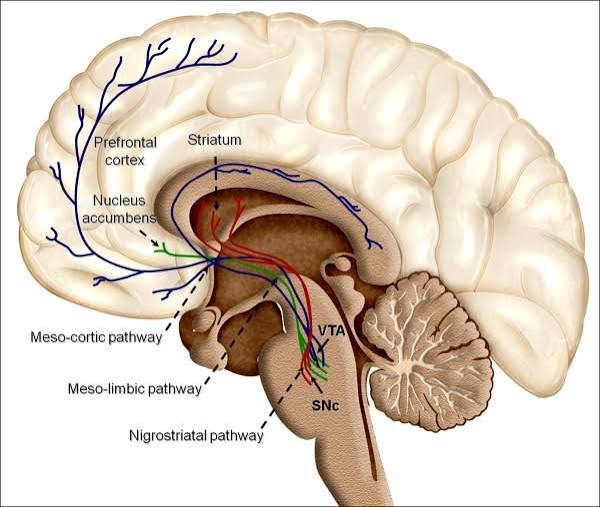
Sugar doesn’t just influence your taste buds, it also affects your brain. When you eat something sweet, your brain activates reward pathways that help reinforce behaviors necessary for survival, such as eating. Sweet foods can temporarily increase feelings of pleasure, encouraging you to seek them again in the future. This doesn’t mean sugar is literally addictive in the same way as drugs, but highly sweet, highly processed foods can strongly influence eating behaviors and cravings in some people.
After eating sugary foods, people often experience:
- Temporary pleasure
- Increased motivation to eat more sweet foods
- Short-term satisfaction
However, frequent exposure to highly sweet foods may make naturally sweet foods, like fruit, seem less satisfying over time. Reducing added sugar can help many people gradually appreciate the natural sweetness of whole foods again.
How Sugar Affects Your Blood Sugar and Insulin
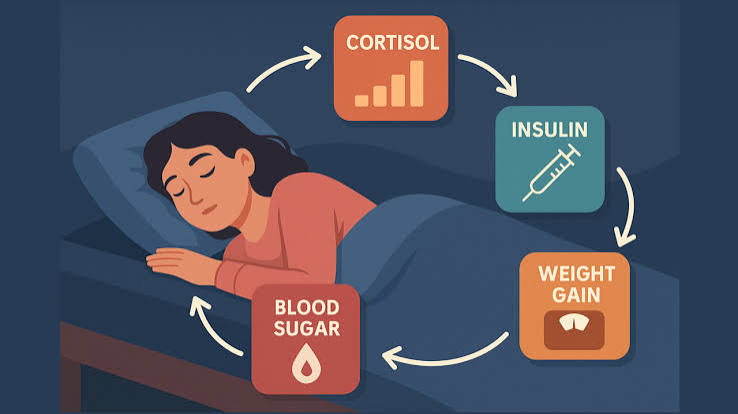
Carbohydrates, including sugars, are broken down into glucose, which enters the bloodstream. In response, the pancreas releases insulin, a hormone that helps move glucose from the blood into cells where it can be used for energy or stored for later use. Occasionally eating sugary foods isn’t harmful for most healthy people. However, regularly consuming large amounts of added sugar, especially from sugar-sweetened beverages and ultra-processed foods can contribute to repeated spikes in blood sugar and insulin.
Over time, this pattern may become part of a broader lifestyle that increases the risk of metabolic health problems in some individuals. Whole foods containing fiber, protein, and healthy fats generally produce a slower rise in blood sugar than sugary drinks or refined snacks. This is one reason why balanced meals often leave you feeling satisfied for longer.
The Science Behind Sugar Cravings
Have you ever promised yourself you’d eat just one cookie, only to find yourself reaching for another? You’re not alone. Sugar cravings are influenced by a combination of biology, habits, emotions, and environment. Several factors contribute to cravings:
Blood Sugar Fluctuations
Meals high in refined carbohydrates and added sugars may be followed by a drop in blood sugar, leaving some people feeling hungry again sooner.
Habits
If you always eat dessert after dinner or grab a sugary snack during your afternoon break, your brain begins to associate those situations with sweet foods. Over time, these routines become automatic.
Emotional Eating
Stress, boredom, sadness, or even celebration can trigger cravings for comfort foods, many of which are high in added sugar.
Food Environment
Keeping sugary snacks visible at home or work makes them easier to reach for without much thought.
Sleep and Stress
Poor sleep and chronic stress can increase appetite and cravings, making it more difficult to choose nutritious foods consistently. The encouraging news is that cravings often become less intense over time as your eating habits change. Choosing balanced meals with protein, fiber, and healthy fats, staying hydrated, getting enough sleep, and managing stress can all help make reducing added sugar more manageable.
What Happens to Your Body When You Quit Added Sugar? A Week-by-Week Timeline
Quitting added sugar doesn’t transform your body overnight. Instead, your body gradually adapts as it becomes less dependent on frequent spikes in blood sugar and highly sweet foods. The changes you experience depend on your previous eating habits, overall diet, activity level, sleep, and general health.
Some people notice improvements within days, while others experience more gradual changes over several weeks. It’s also common to experience temporary sugar cravings or mood changes before things get easier. Here’s what science suggests you may experience during the first 30 days of reducing added sugar.
First 24 Hours: Your Body Begins to Adjust
The first day is often the easiest physically but can be challenging mentally. If you normally consume several sugary drinks, desserts, or processed snacks every day, your brain immediately notices the change. Your body continues using stored glucose for energy while beginning to rely more on balanced meals and your body’s normal energy regulation. Some people notice:
- Thinking about sweet foods more often
- Mild cravings after meals
- Feeling slightly less satisfied if accustomed to sugary snacks
- Increased awareness of eating habits
If your meals contain plenty of protein, healthy fats, whole grains, vegetables, and fruit, cravings are often much easier to manage.
Hydration also becomes especially important during this period.
Many people mistake thirst for hunger, leading them to crave sugary foods when they actually need water.
What Helps During the First Day?
- Drink plenty of water.
- Eat balanced meals.
- Include protein at every meal.
- Avoid skipping meals.
- Keep healthy snacks nearby.
- Remove tempting sugary foods from easy reach.

Days 2–7: Cravings May Peak
For many people, the first week is the most challenging. Your body is adapting to lower amounts of added sugar, while your brain is adjusting to new eating patterns. This doesn’t mean your body “needs” sugar; it simply means your habits are changing. Common experiences include:
- Strong sugar cravings
- Irritability
- Mild headaches
- Temporary fatigue
- Increased hunger
- Desire for familiar comfort foods
These symptoms usually improve as your eating habits become more balanced.
Why Do Cravings Feel So Strong?
Several factors contribute:
Habit
If you normally eat cookies every evening, your brain expects them. Breaking routines takes time.
Blood Sugar Stability
Replacing sugary foods with balanced meals rich in fiber, protein, and healthy fats helps prevent rapid blood sugar fluctuations.
Taste Bud Adaptation
After several days, many people notice that extremely sweet foods begin to taste overly sweet. Natural foods like strawberries, apples, and carrots may seem sweeter than before. This change is one reason many people find it easier to maintain lower sugar intake over time.
Energy May Feel Different
Some people expect to feel energetic immediately after quitting sugar. Instead, temporary fatigue can occur during the first few days, especially if sugary snacks previously provided quick bursts of energy. Fortunately, this usually improves as your body begins relying on more consistent energy sources from balanced meals. Rather than experiencing dramatic highs and crashes, many people eventually notice steadier energy throughout the day.
Week 2: Your Body Starts Finding Balance
By the second week, many people report that reducing added sugar becomes noticeably easier. Although occasional cravings may still occur, they are often less frequent and less intense. Your body is beginning to adapt to healthier eating patterns. Many people notice:
- More stable energy
- Fewer afternoon energy crashes
- Reduced cravings
- Improved concentration
- Feeling satisfied for longer after meals
Balanced meals containing fiber, protein, and healthy fats help maintain steadier blood sugar levels, reducing the urge to snack constantly.
Hunger Begins to Normalize
Highly processed sugary foods are often digested quickly, leaving people hungry again sooner. Whole foods generally digest more slowly. Meals built around:
- Vegetables
- Fruits
- Beans
- Whole grains
- Lean proteins
- Healthy fats
may help increase fullness and reduce unnecessary snacking.
Taste Preferences Begin to Change
One of the most interesting changes happens in your taste buds. After reducing added sugar for several weeks, many people become more sensitive to sweetness. Foods that once seemed ordinary may suddenly taste naturally sweet. Examples include:
- Blueberries
- Bananas
- Sweet potatoes
- Carrots
- Bell peppers
At the same time, sugary drinks or desserts may begin to taste much sweeter than before.

Week 3: Healthy Habits Become Easier
By week three, many people feel they’ve broken their dependence on constant sugary snacks. This doesn’t mean cravings disappear forever. Instead, they usually become easier to manage. At this stage, healthier habits often feel more automatic. People may begin choosing:
- Water instead of soda
- Fresh fruit instead of candy
- Nuts instead of cookies
- Plain yogurt with berries instead of flavored yogurt
These small choices add up over time.
More Consistent Energy
One of the biggest reasons people enjoy reducing added sugar is the improvement in daily energy. Instead of repeated spikes followed by crashes, many people experience:
- Better afternoon productivity
- Fewer feelings of sluggishness
- Improved focus
- Less dependence on sugary snacks
Although everyone’s experience differs, steady energy is commonly reported.
Better Eating Habits
Reducing added sugar often encourages other healthy habits. People become more aware of:
- Reading nutrition labels
- Cooking at home
- Choosing whole foods
- Planning meals
- Drinking more water
Instead of simply avoiding sugar, many individuals naturally improve their overall diet quality.
Day 30: One Month Without Added Sugar
After approximately one month, many people begin noticing meaningful improvements, not because sugar is “toxic,” but because reducing added sugar often leads to healthier overall eating patterns. Your body has now had several weeks to adapt. Although everyone responds differently, many people report positive changes in several areas.
More Stable Energy
Energy becomes more predictable. Without frequent sugar highs and crashes, many individuals feel more consistent throughout the day. Rather than relying on sugary snacks, balanced meals provide longer-lasting fuel.
Better Blood Sugar Control
For many healthy adults, eating fewer sugary foods and more whole foods can support steadier blood sugar levels as part of an overall balanced diet. Meals rich in:
- Fiber
- Protein
- Healthy fats
slow digestion and help maintain more stable energy.
Improved Dental Health
Oral bacteria feed on sugars left behind after eating. Reducing sugary drinks and sticky sweets may help lower the risk of tooth decay when combined with:
- Brushing twice daily
- Flossing
- Regular dental checkups
Healthier Skin
Although skin health depends on many factors, including genetics and hormones, some people notice improvements after reducing added sugar. Possible changes include:
- Less oily skin
- Fewer breakouts
- More even skin appearance
These improvements vary widely between individuals.
Better Mood
Mood depends on sleep, exercise, stress, relationships, and many other factors. However, eating balanced meals with fewer added sugars may help reduce energy fluctuations that sometimes contribute to irritability or sluggishness. Many people describe feeling calmer and more emotionally balanced after improving their eating habits.
Better Sleep
Reducing sugary foods, especially late in the evening may support healthier sleep habits for some individuals. When combined with:
- Regular exercise
- Good sleep hygiene
- Stress management
many people notice improved sleep quality.
Healthier Weight Management
One month without excessive added sugar doesn’t guarantee dramatic weight loss. However, replacing sugary drinks and processed snacks with nutrient-dense foods often reduces overall calorie intake. Combined with regular physical activity, this can support healthy weight management over time.
Stronger Healthy Habits

Perhaps the greatest benefit isn’t physical at all. Many people finish a 30-day challenge feeling more confident in their ability to make healthy choices. They’ve learned:
- How to read food labels
- How to identify hidden sugars
- How to prepare balanced meals
- How to manage cravings
- How to enjoy naturally sweet foods
These habits often continue long after the challenge ends.
Remember: Progress Matters More Than Perfection
Reducing added sugar doesn’t mean you can never enjoy dessert again. Healthy eating isn’t about strict rules or eliminating entire food groups forever. Instead, it’s about creating a sustainable eating pattern that emphasizes:
- Fruits and vegetables
- Whole grains
- Lean proteins
- Healthy fats
- Water
- Occasional treats in moderation
The goal is balance, not perfection.
Sugar Withdrawal Symptoms, Healthy Alternatives, Hidden Sugars, and Common Myths
Quitting added sugar isn’t always easy, especially if you’ve been consuming sugary drinks, desserts, or processed snacks regularly. While many people notice positive changes after reducing added sugar, the first few days or weeks can also come with temporary challenges.
The good news is that these effects usually improve as your body and eating habits adjust. In this section, we’ll explore common sugar withdrawal symptoms, practical ways to reduce sugar naturally, healthier alternatives, foods with hidden sugars, and popular myths that often cause confusion.
Sugar Withdrawal Symptoms
Some people experience temporary symptoms when they significantly reduce their intake of added sugar. Although “sugar withdrawal” isn’t the same as withdrawal from addictive substances, changes in eating habits and reduced exposure to highly sweet foods can make the transition feel challenging. Common temporary symptoms include:
- Sugar cravings
- Headaches
- Irritability
- Fatigue
- Difficulty concentrating
- Mood changes
- Feeling hungry more often
- Low motivation
- Restlessness
These symptoms are generally mild and tend to improve within several days to a few weeks, depending on the individual and their previous diet.
Why Does This Happen?
There are several reasons:
- Your brain is adjusting to less frequent stimulation from highly sweet foods.
- Your taste preferences are beginning to change.
- You’re breaking established eating habits and routines.
- Your body is adapting to steadier blood sugar levels instead of frequent spikes and crashes.
It’s important to remember that experiencing cravings doesn’t mean your body “needs” added sugar. Often, it’s a sign that long-standing habits are changing.
How Long Do Sugar Cravings Last?
One of the most common questions people ask is:
“When will the cravings stop?”
The answer varies from person to person. For many people:
- Days 1–3: Cravings may be at their strongest.
- Days 4–7: Cravings often begin to decrease.
- Week 2: Sweet foods become less tempting.
- Weeks 3–4: Many people feel more in control of their food choices.
Occasional cravings can still happen, especially during stressful situations, celebrations, or when you’re tired. However, they usually become less frequent and easier to manage over time.
10 Tips to Reduce Added Sugar Naturally
Reducing added sugar doesn’t have to mean following a strict or unrealistic diet. Small, sustainable changes are often the most successful.
1. Read Nutrition Labels
Many packaged foods contain added sugars even those that don’t taste sweet. Check the Nutrition Facts label and ingredient list for added sugars before buying packaged products.
2. Drink More Water
Sugary beverages are one of the largest sources of added sugar in many diets. Replace:
- Soda
- Sweetened iced tea
- Energy drinks
- Sweetened coffee drinks
with:
- Water
- Sparkling water
- Unsweetened tea
- Black coffee (if appropriate for you)
3. Eat More Protein
Protein helps keep you full and satisfied. Good sources include:
- Eggs
- Greek yogurt
- Chicken
- Fish
- Lentils
- Beans
- Tofu
- Cottage cheese
Balanced meals may reduce the urge to snack on sugary foods.
4. Increase Your Fiber Intake
Fiber slows digestion and supports steady blood sugar levels. Choose foods like:
- Oats
- Vegetables
- Fruits
- Whole grains
- Beans
- Chia seeds
- Flaxseeds
5. Never Skip Meals
Skipping meals can leave you extremely hungry, making sugary snacks more tempting later in the day. Aim for regular, balanced meals.
6. Get Enough Sleep
Poor sleep can increase hunger and cravings for high-calorie foods. Most adults benefit from 7–9 hours of quality sleep each night.
7. Manage Stress
Stress often triggers emotional eating. Healthier stress-management strategies include:
- Walking
- Meditation
- Deep breathing
- Yoga
- Journaling
- Talking with a friend
8. Keep Healthy Snacks Available
Instead of keeping candy within easy reach, stock your kitchen with:
- Fresh fruit
- Mixed nuts
- Plain yogurt
- Vegetables with hummus
- Roasted chickpeas
Making healthier options convenient can make them easier to choose.
9. Cook More Meals at Home
Restaurant meals and packaged foods often contain added sugars. Preparing meals at home gives you more control over ingredients.
10. Reduce Sugar Gradually
For some people, cutting out all added sugar at once feels overwhelming. Gradually reducing sugar in coffee, tea, cereals, or desserts may be a more sustainable approach.

Healthy Sugar Alternatives
If you’re trying to reduce added sugar, you don’t necessarily have to give up sweetness altogether. Consider naturally sweet whole foods such as:
- Fresh berries
- Apples
- Bananas
- Pears
- Oranges
- Mangoes
- Dates (in moderation)
- Unsweetened applesauce
- Cinnamon
- Vanilla extract
These can add flavor to meals without relying on large amounts of added sugar.
A Note About Sweeteners
Natural sweeteners like honey, maple syrup, and agave syrup are often viewed as healthier alternatives. While they contain small amounts of nutrients, they are still forms of added sugar when used to sweeten foods or drinks and should be consumed in moderation.
Low- and no-calorie sweeteners may help some people reduce added sugar intake, but their role in a healthy diet varies depending on individual needs and preferences. If you choose to use them, it’s best to do so thoughtfully as part of an overall balanced eating pattern.
Foods With Hidden Added Sugar
Many foods that don’t taste like desserts can still contain significant amounts of added sugar. Common examples include:
- Breakfast cereals
- Granola
- Protein bars
- Flavored oatmeal
- Flavored yogurt
- Ketchup
- Barbecue sauce
- Pasta sauce
- Salad dressings
- Bread
- Crackers
- Fruit-flavored drinks
- Sports drinks
- Smoothies with added syrups
- Packaged soups
Checking labels can help you make more informed choices.

How to Read Nutrition Labels
One of the easiest ways to reduce added sugar is by understanding food labels.
Step 1: Check the Nutrition Facts Panel
Look for the line labeled “Added Sugars.” This tells you how much sugar has been added during processing, separate from naturally occurring sugars.
Step 2: Read the Ingredient List
Ingredients are listed in order by weight. If one or more forms of sugar appear near the beginning of the list, the product likely contains a significant amount of added sugar. Common names include:
- Cane sugar
- Brown sugar
- Corn syrup
- High-fructose corn syrup
- Honey
- Molasses
- Rice syrup
- Agave nectar
- Coconut sugar
- Fruit juice concentrate
Step 3: Compare Similar Products
Two products may seem similar, but one may contain much less added sugar than the other. Taking a moment to compare labels can make a big difference over time.
Common Sugar Myths
There’s a lot of misinformation about sugar online. Let’s separate fact from fiction.
Myth 1: Fruit Is Bad Because It Contains Sugar
False.
Whole fruit contains natural sugars along with fiber, vitamins, minerals, and antioxidants. For most people, eating whole fruit is part of a healthy diet.
Myth 2: Honey Isn’t Sugar
False.
Honey is a natural sweetener, but when used to sweeten foods or drinks, it still counts as added sugar and should be consumed in moderation.
Myth 3: Brown Sugar Is Healthier Than White Sugar
Mostly False.
Brown sugar contains slightly more molasses, but the nutritional difference is minimal. Both contribute added sugars to the diet.
Myth 4: Artificial Sweeteners Are Always Harmful
Not necessarily.
Approved low- and no-calorie sweeteners have been evaluated for safety by regulatory agencies when consumed within recommended limits. Whether they’re helpful depends on individual goals, preferences, and overall diet.
Myth 5: You Must Eliminate Sugar Completely
False.
Healthy eating is about balance, not perfection.
For most people, there’s room for occasional treats within an overall nutritious diet. The focus should be on reducing excess added sugar, not fearing every gram of sugar.
Building Sustainable Habits
Reducing added sugar isn’t about following a short-term trend—it’s about creating eating habits you can maintain over the long run. Some practical strategies include:
- Planning balanced meals
- Keeping nutritious snacks on hand
- Drinking water regularly
- Reading food labels
- Choosing whole foods more often
- Allowing yourself occasional treats without guilt
The goal isn’t to create a “perfect” diet. It’s to make choices that support your health consistently over time.
Frequently Asked Questions
Reducing added sugar is one of the most common nutrition goals, but it also comes with plenty of questions. Below are science-based answers to help you make informed decisions without falling for common myths or unrealistic expectations.
1. Is It Healthy to Quit Added Sugar?
Yes, for most people, reducing added sugar is a healthy choice. Health organizations around the world recommend limiting added sugar because consuming excessive amounts over time may increase the risk of conditions such as tooth decay, heart disease, and type 2 diabetes as part of an overall unhealthy dietary pattern.
However, quitting added sugar does not mean avoiding all carbohydrates or naturally occurring sugars found in foods like fruit and plain dairy products. These foods provide important nutrients, including fiber, vitamins, and minerals. The goal is to reduce added sugars, not eliminate nutritious whole foods.
2. Can Quitting Sugar Help You Lose Weight?
Possibly, but it’s not guaranteed. Simply removing sugar from your diet won’t automatically lead to weight loss if you replace it with other high-calorie foods. However, reducing sugary drinks, desserts, and processed snacks often lowers your overall calorie intake and may make it easier to manage your weight when combined with:
- Regular physical activity
- Balanced meals
- Adequate sleep
- Stress management
Think of reducing added sugar as one part of an overall healthy lifestyle rather than a quick fix.
3. Will My Skin Improve If I Eat Less Sugar?
Some people notice healthier-looking skin after reducing added sugar, especially if they also improve the overall quality of their diet. Research suggests that diets high in refined carbohydrates and added sugars may contribute to acne in some individuals, although skin health is influenced by many factors, including genetics, hormones, stress, skincare habits, and sleep. Eating a balanced diet rich in fruits, vegetables, whole grains, healthy fats, and lean proteins supports overall skin health.
4. How Much Added Sugar Is Recommended?
Many health organizations advise limiting added sugar to a relatively small portion of your daily calorie intake. Rather than focusing on a specific number every day, it’s often more practical to:
- Drink water instead of sugary beverages.
- Choose whole fruits over sweets more often.
- Read nutrition labels.
- Cook at home when possible.
- Save sugary treats for occasional enjoyment rather than everyday habits.
Small, consistent changes can have a meaningful impact over time.
5. Can I Still Eat Fruit During a No Added Sugar Challenge?
Absolutely. Whole fruits contain natural sugars, along with fiber, vitamins, minerals, antioxidants, and water. The fiber in fruit slows digestion and helps your body absorb natural sugars more gradually than many processed foods. Examples of nutritious fruits include:
- Apples
- Oranges
- Berries
- Pears
- Kiwi
- Grapes
- Peaches
- Mangoes
- Bananas
Unless advised otherwise by your healthcare provider, whole fruit is generally encouraged as part of a balanced diet.
6. Can I Ever Eat Dessert Again?
Yes. Healthy eating is not about perfection. Completely forbidding favorite foods often makes them feel even more tempting. Instead, many nutrition experts encourage an “all foods can fit” approach, where desserts can be enjoyed occasionally within an overall balanced eating pattern. The goal of reducing added sugar is to improve your long-term habits—not to create guilt around enjoying a slice of birthday cake or your favorite dessert from time to time.
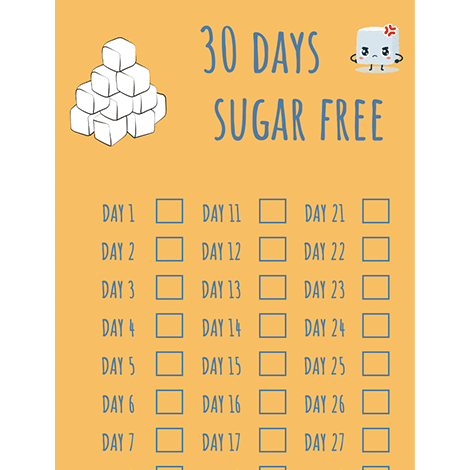
30-Day No Added Sugar Challenge
If you’re ready to reduce your added sugar intake, this simple challenge can help you build healthier habits one step at a time.
Week 1: Build Awareness
Focus on learning where added sugar is hiding.
✔ Read food labels.
✔ Replace one sugary drink with water each day.
✔ Eat balanced meals with protein and fiber.
✔ Keep healthy snacks available.
✔ Start a food journal if it helps you identify patterns.
Week 2: Make Simple Swaps
Now begin replacing processed sugary foods with more nutritious options. Examples include:
- Fresh fruit instead of candy.
- Plain yogurt with berries instead of flavored yogurt.
- Oatmeal with cinnamon instead of sugary cereal.
- Sparkling water instead of soda.
Celebrate small wins rather than aiming for perfection.
Week 3: Create Healthy Habits
Continue building routines that support long-term success. Goals this week:
- Prepare more meals at home.
- Drink water regularly.
- Practice mindful eating.
- Manage stress without relying on food.
- Plan healthy snacks ahead of time.
At this stage, many people notice that cravings become less frequent.
Week 4: Make It Sustainable
By the final week, think beyond the challenge. Ask yourself:
- Which healthy habits felt easiest?
- Which sugary foods do I truly enjoy?
- Which foods do I no longer miss?
- How can I maintain balance moving forward?
Remember, lasting health comes from consistency, not perfection.
Weekly No Added Sugar Checklist
Use this checklist each week to stay motivated.
✔ Read nutrition labels before buying packaged foods.
✔ Chose water or unsweetened beverages.
✔ Ate at least five servings of fruits and vegetables.
✔ Included protein with every meal.
✔ Chose whole grains instead of refined grains.
✔ Limited sugary desserts.
✔ Avoided sugary drinks.
✔ Cooked meals at home.
✔ Got 7–9 hours of sleep most nights.
✔ Managed stress through healthy activities.
✔ Stayed physically active.
✔ Drank enough water.
✔ Planned healthy snacks ahead of time.
✔ Practiced mindful eating.
✔ Celebrated progress instead of striving for perfection.
Conclusion
Reducing added sugar for 30 days isn’t about following a restrictive trend—it’s about becoming more aware of what you eat and building healthier habits that can last a lifetime.
While your body won’t change overnight, many people notice meaningful improvements over time, such as steadier energy, fewer cravings, healthier eating patterns, better dental health, and improved overall well-being. These benefits often come not only from eating less added sugar but also from replacing highly processed foods with more nutrient-dense options.
It’s important to remember that sugar itself is not the enemy. Whole fruits, plain dairy products, and other naturally sweet foods can be part of a nutritious diet. The real goal is to reduce excess added sugar while enjoying a balanced eating pattern that includes plenty of whole foods.
Rather than striving for perfection, focus on making small, sustainable changes. Choosing water over soda, reading nutrition labels, preparing more meals at home, and enjoying desserts in moderation are all realistic steps that can support long-term health.
Every healthy choice you make adds up. Whether you’re starting a 30-day challenge or simply trying to cut back on sugary drinks, consistency matters far more than being perfect.
Link naturally to these related articles to improve user experience and strengthen your website’s topical authority:
You might also like
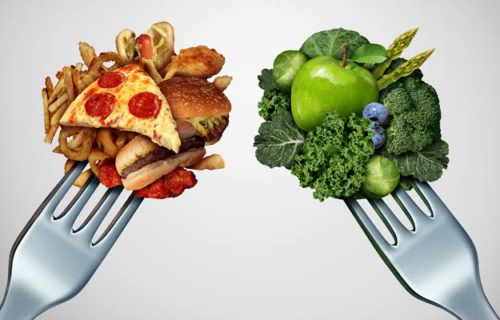
Ultra-Processed Foods Explained: Should You Really Avoid Them?
📋 Table of Contents 1. Unprocessed or Minimally Processed Foods 2. Processed Culinary Ingredients 3. Processed…

Is Sitting Really the New Smoking? What Too Much Sitting Does to Your Body
📋 Table of Contents Here's what the science says: Your Muscles Become Less Active Blood Flow…

Do You Really Need 10,000 Steps a Day? What Science Says About Daily Walking
📋 Table of Contents The Truth Behind the 10,000-Step Goal Introduction Fitness Technology A Simple Goal…