
Why Gut Health Matters More Than You Think

Your Gut Does More Than Digest Food—It Influences Your Entire Health
When most people think about gut health, they imagine digestion and stomach problems. But your gut is much more than a digestive organ. It’s home to trillions of microorganisms, collectively known as the gut microbiome, that influence nearly every aspect of your health—from your immune system and metabolism to your brain, mood, skin, and even sleep quality.
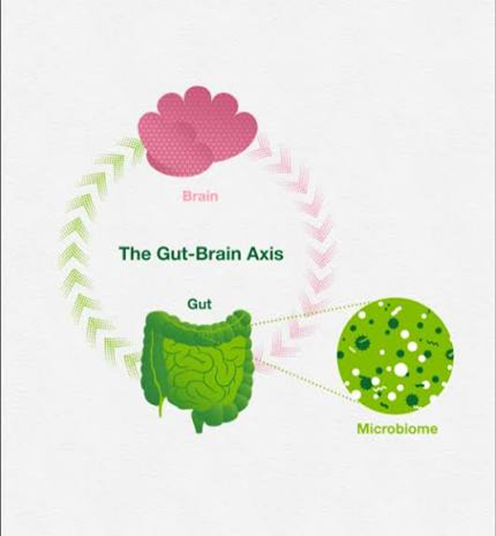
Scientists now consider the gut one of the most important systems in the body because of its powerful connection to overall wellness. A balanced gut microbiome helps break down food, produce essential nutrients, protect against harmful bacteria, and communicate with your brain through what researchers call the gut-brain axis.
Unfortunately, poor diet, chronic stress, lack of sleep, antibiotics, and highly processed foods can disrupt this delicate balance. In this comprehensive guide, you’ll learn why gut health matters, how your microbiome affects your body, the warning signs of an unhealthy gut, and practical ways to improve your gut naturally.
What Is Gut Health?
Gut health refers to the balance and function of your digestive system, particularly the microorganisms living inside your intestines.
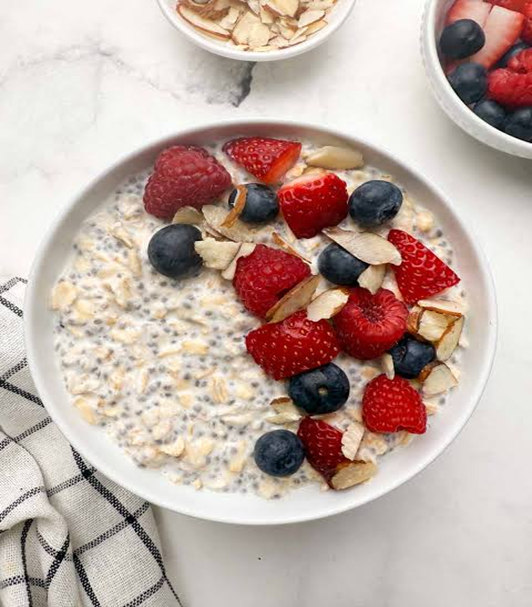
These microorganisms include:
- Beneficial bacteria
- Viruses
- Fungi
- Other microbes
Although the word “bacteria” often sounds negative, many bacteria are essential for good health. A healthy gut microbiome:
- Digests food efficiently
- Produces vitamins
- Supports immunity
- Helps regulate metabolism
- Protects against harmful microbes
- Supports communication between the gut and brain
Meet Your Gut Microbiome
The gut microbiome contains trillions of microorganisms and thousands of different bacterial species.

Each person’s microbiome is unique, much like a fingerprint. Your microbiome changes throughout life based on factors such as:
- Diet
- Age
- Exercise
- Sleep
- Medications
- Environment
- Stress
Maintaining a diverse microbiome is one of the keys to long-term health.
Why Gut Health Matters
1. Supports Healthy Digestion
The most obvious role of your gut is helping digest food. Healthy gut bacteria help break down:
- Fiber
- Certain carbohydrates
- Plant compounds
They also help your body absorb important nutrients more efficiently.
2. Strengthens Your Immune System
Did you know that about 70% of your immune system is located in your gut? Healthy gut bacteria help train your immune system to recognize harmful invaders while avoiding unnecessary inflammation. A balanced microbiome supports your body’s natural defenses against illness.
3. Influences Mental Health
Your gut and brain communicate constantly through nerves, hormones, and chemical messengers. This communication network is known as the gut-brain axis. Researchers have found links between gut health and:
- Mood
- Stress response
- Anxiety
- Depression
- Cognitive function
While gut health is only one factor affecting mental well-being, maintaining a healthy microbiome may support emotional health.
4. Helps Produce Important Nutrients
Certain gut bacteria help produce nutrients including:
- Vitamin K
- Some B vitamins
- Short-chain fatty acids
These compounds support overall health and help maintain the intestinal lining.
5. Supports Healthy Weight Management
Your gut microbiome may influence:
- Appetite regulation
- Energy balance
- Fat storage
- Blood sugar control
A healthy eating pattern rich in fiber supports both gut health and healthy weight management.
6. Protects Against Harmful Bacteria
Beneficial bacteria compete with harmful microbes for space and nutrients. This natural balance helps reduce the risk of digestive infections.
7. May Support Heart Health
A diet rich in whole grains, fruits, vegetables, and legumes supports both your heart and your gut. Gut bacteria also help process certain nutrients involved in cardiovascular health.
8. Supports Healthy Skin
The connection between the gut and skin is sometimes called the gut-skin axis. Although skin health depends on many factors, researchers continue to study how a balanced microbiome may support healthy skin.

Signs Your Gut May Need More Attention
Everyone experiences digestive discomfort occasionally, but persistent symptoms may indicate an imbalance. Possible signs include:
- Frequent bloating
- Gas
- Constipation
- Diarrhea
- Stomach discomfort
- Food intolerances
- Low energy
- Poor sleep
- Frequent illness
- Difficulty concentrating
If symptoms are severe or persistent, consult a qualified healthcare professional.
Foods That Support Gut Health
1. Yogurt
Plain yogurt with live cultures contains beneficial bacteria that may support a healthy microbiome. Choose varieties without excessive added sugar.
2. Kefir
Kefir is a fermented dairy drink containing a variety of beneficial microorganisms.
3. Sauerkraut
Naturally fermented cabbage provides probiotics and fiber.
4. Kimchi
This traditional fermented vegetable dish contains probiotics along with vitamins and minerals.
5. Oats
Oats provide prebiotic fiber, which feeds beneficial gut bacteria.
6. Bananas
Bananas contain fiber and resistant starch that support healthy digestion.
7. Garlic
Garlic contains compounds that act as prebiotics, helping nourish beneficial bacteria.
8. Onions
Like garlic, onions provide prebiotic fibers that support microbial diversity.
9. Apples
Apples are rich in pectin, a type of fiber that promotes digestive health.
10. Beans and Lentils
These foods are excellent sources of plant fiber that feed beneficial gut bacteria.
11. Berries
Blueberries, strawberries, raspberries, and blackberries contain antioxidants and fiber that support overall gut health.
12. Whole Grains
Whole grains provide complex carbohydrates and fiber that nourish the microbiome.
Probiotics vs. Prebiotics
Many people confuse these two important terms.
Probiotics
Probiotics are live beneficial microorganisms found in fermented foods such as:
- Yogurt
- Kefir
- Kimchi
- Sauerkraut
They help add beneficial bacteria to your gut.
Prebiotics
Prebiotics are types of fiber that feed beneficial bacteria already living in your gut. Foods rich in prebiotics include:
- Garlic
- Onions
- Oats
- Bananas
- Asparagus
- Chicory root
A healthy diet includes both probiotics and prebiotics.
Habits That Improve Gut Health Naturally
Healthy habits are just as important as healthy foods.
Eat More Fiber
Adults should aim for plenty of fiber from fruits, vegetables, legumes, and whole grains.
Stay Hydrated
Water supports digestion and helps fiber move through your digestive system.
Exercise Regularly
Physical activity has been associated with greater microbial diversity. Aim for at least 150 minutes of moderate activity each week.
Get Enough Sleep
Poor sleep may negatively affect both digestion and the gut microbiome. Adults should aim for 7–9 hours nightly.
Manage Stress
Chronic stress can influence digestion and the gut-brain connection. Try:
- Deep breathing
- Meditation
- Yoga
- Walking outdoors
Limit Highly Processed Foods
Highly processed foods often contain less fiber and more added sugars, which may negatively affect the gut microbiome over time.
Use Antibiotics Responsibly
Antibiotics are sometimes necessary, but they can also affect beneficial bacteria. Only take antibiotics when prescribed by a healthcare professional.
Foods That May Disrupt Gut Health
Try to limit:
- Sugary soft drinks
- Ultra-processed snacks
- Excess alcohol
- Highly refined carbohydrates
- Excess added sugar
A balanced diet is more beneficial than occasional restrictive “gut cleanses.”
Sample Gut-Healthy Meal Plan
Breakfast
Overnight oats with yogurt, blueberries, and chia seeds.
Morning Snack
Apple with almond butter.
Lunch
Grilled chicken, quinoa, spinach, and roasted vegetables.
Afternoon Snack
Kefir with mixed berries.
Dinner
Lentil soup, whole-grain bread, and a side salad.
Common Myths About Gut Health
Myth: Everyone needs probiotic supplements.
Fact: Many people can support their gut health through a balanced diet that includes fermented foods and plenty of fiber. Supplements may be appropriate for some individuals but aren’t necessary for everyone.
Myth: Gut health only affects digestion.
Fact: Research suggests gut health influences immunity, metabolism, and communication with the brain, in addition to digestion.
Myth: A detox cleanse fixes gut problems.
Fact: There is little evidence that detox cleanses improve gut health. Long-term healthy eating habits are more beneficial.
Myth: All bacteria are harmful.
Fact: Many bacteria are essential for digestion, immunity, and overall health.

Frequently Asked Questions
How long does it take to improve gut health?
Changes in the gut microbiome can begin within days of improving your diet, but lasting benefits come from consistent healthy habits over weeks and months.
Are probiotics better than prebiotics?
Both play different but complementary roles. Probiotics introduce beneficial microbes, while prebiotics feed the beneficial bacteria already living in your gut.
Can stress affect gut health?
Yes. Chronic stress can influence digestion and the gut-brain axis, which is why stress management is an important part of supporting gut health.
Is yogurt enough for a healthy gut?
Yogurt can be part of a gut-friendly diet, but it’s most effective when combined with a variety of fiber-rich whole foods and healthy lifestyle habits.
Final Thoughts
Your gut is far more than a digestive organ—it’s a central hub that influences your immune system, metabolism, brain, and overall well-being. The good news is that supporting your gut doesn’t require expensive supplements or restrictive diets. Small daily choices—such as eating more fiber, enjoying fermented foods, staying active, sleeping well, and managing stress—can help your microbiome thrive.
Healthy habits practiced consistently are far more powerful than quick fixes. At Everyday Wellness, we believe that lasting health begins from the inside out. Caring for your gut today is an investment in your overall wellness for years to come.
Key Takeaways
- Your gut microbiome influences digestion, immunity, metabolism, and brain communication.
- Fiber-rich foods and fermented foods help support a healthy gut.
- Probiotics add beneficial bacteria, while prebiotics feed the bacteria already present.
- Regular exercise, quality sleep, hydration, and stress management all contribute to better gut health.
- Long-term healthy habits are more effective than short-term cleanses or fad diets.
You might also like
Ultra-Processed Foods Explained: Should You Really Avoid Them?
📋 Table of Contents 1. Unprocessed or Minimally Processed Foods 2. Processed Culinary Ingredients 3. Processed…
What Happens to Your Body When You Quit Added Sugar for 30 Days? A Science-Backed Guide
📋 Table of Contents Natural Sugars Added Sugars Blood Sugar Fluctuations Habits Emotional Eating Food Environment…
Foods That Naturally Improve Brain Function
Feed Your Brain the Nutrients It Needs to Think, Learn, and Thrive Your brain is the…