
Mental Fatigue: Why Your Brain Feels Exhausted (Even When You’re Not Physically Tired)

📋 Table of Contents
- Introduction
- Cognitive Symptoms
- Emotional Symptoms
- Physical Symptoms
- Behavioral Symptoms
- 1. Fatty Fish
- 2. Eggs
- 3. Leafy Green Vegetables
- 4. Berries
- 5. Nuts and Seeds
- 6. Whole Grains
- 7. Yogurt and Fermented Foods
- 8. Avocados
- 9. Bananas
- 10. Water
- Morning Routine
- Wake Up at the Same Time
- Drink Water
- Get Morning Sunlight
- Eat a Nutritious Breakfast
- Move Your Body
- Plan Your Day
- What is mental fatigue?
- Is mental fatigue the same as physical tiredness?
- Can sleep fix mental fatigue?
- How long does mental fatigue last?
- Can exercise improve mental fatigue?
- When should I seek professional help?
Introduction
Have you ever reached the end of the day feeling completely drained, even though you barely moved physically? Perhaps you spent hours answering emails, attending meetings, studying for exams, caring for your family, or making countless decisions. Your body feels capable of doing more, but your mind simply wants to stop.
This feeling is known as mental fatigue, and it has become increasingly common in today’s fast-paced, always-connected world.
Unlike physical tiredness, which often follows exercise or manual work, mental fatigue develops after prolonged periods of concentration, decision-making, emotional pressure, or constant multitasking. It can leave you feeling mentally “empty,” making it difficult to focus, solve problems, stay motivated, or even enjoy activities you normally love.
Many people mistake mental fatigue for laziness or lack of motivation. In reality, it’s often your brain signaling that it needs rest and recovery. Ignoring these signals can make daily tasks feel increasingly difficult and may contribute to stress, poor sleep, reduced productivity, and emotional exhaustion over time.
The good news is that mental fatigue isn’t permanent. By understanding what causes it and adopting healthy daily habits, you can help your brain recharge and improve your overall well-being.
In this guide, you’ll learn what mental fatigue is, why it happens, how to recognize the warning signs, and practical, science-informed strategies to restore your mental energy.
What Is Mental Fatigue?

Mental fatigue is a state of reduced mental energy that develops after extended periods of cognitive or emotional effort. It occurs when your brain has been working continuously without enough time to recover.
Your brain is constantly processing information, making decisions, solving problems, managing emotions, remembering tasks, filtering distractions, and adapting to new situations. Just like your muscles become tired after physical activity, your brain can become fatigued after sustained mental work.
Mental fatigue is not simply “feeling sleepy.” You may sleep for eight hours and still wake up mentally exhausted if your brain hasn’t had enough opportunities to recover from ongoing stress or overstimulation.
Mental fatigue can affect anyone, including students, professionals, parents, caregivers, entrepreneurs, healthcare workers, and anyone juggling multiple responsibilities.
Mental Fatigue vs. Physical Fatigue
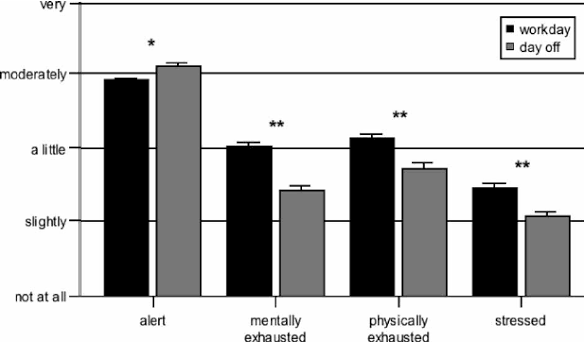
Although they often occur together, mental fatigue and physical fatigue are different.
| Mental Fatigue | Physical Fatigue |
|---|---|
| Difficulty concentrating | Muscle weakness |
| Brain fog | Physical exhaustion |
| Trouble making decisions | Heavy limbs |
| Emotional exhaustion | Sore muscles |
| Reduced motivation | Reduced physical endurance |
| Forgetfulness | Need for physical rest |
Someone experiencing mental fatigue may still have enough physical energy to exercise or complete household tasks but struggle to concentrate on reading, studying, or making decisions.
Why Mental Fatigue Is Becoming More Common

Modern lifestyles place enormous demands on the brain. Unlike previous generations, many people now spend most of their day processing information rather than performing physical work.
Some common contributors include:
- Constant smartphone notifications
- Long hours in front of screens
- Remote work
- Information overload
- Social media
- Continuous decision-making
- Financial stress
- Academic pressure
- Poor sleep
- Multitasking
- Lack of downtime
Because the brain rarely gets a chance to “switch off,” mental exhaustion can gradually build over time.
How Your Brain Uses Energy

Although the brain makes up only about 2% of your body weight, it uses approximately 20% of your body’s energy while you’re awake. Every conversation, decision, memory, calculation, and emotional experience requires brain activity. When you’re constantly:
- Solving problems
- Planning
- Worrying
- Learning
- Managing emotions
- Switching between tasks
your brain consumes a significant amount of energy. Without regular breaks, sleep, and recovery, this constant demand can contribute to mental fatigue.
Signs and Symptoms of Mental Fatigue

Mental fatigue doesn’t always appear suddenly. It often develops gradually, making it easy to overlook. Common symptoms include:
Cognitive Symptoms
- Brain fog
- Difficulty concentrating
- Forgetfulness
- Trouble solving problems
- Slower thinking
- Difficulty learning new information
- Reduced creativity
Emotional Symptoms
- Irritability
- Feeling overwhelmed
- Low motivation
- Mood swings
- Increased frustration
- Reduced patience
Physical Symptoms
- Headaches
- Eye strain
- Low energy
- Poor sleep
- Muscle tension
- Feeling tired despite resting
Behavioral Symptoms
- Procrastination
- Reduced productivity
- More mistakes
- Increased screen time
- Avoiding responsibilities
- Difficulty completing simple tasks
Recognizing these early signs allows you to take action before mental fatigue becomes more severe.
Causes of mental fatigue, brain fog, sleep, stress, digital overload, and burnout
Mental fatigue rarely develops overnight. Instead, it builds gradually as your brain faces continuous demands without enough opportunities to recover. While everyone experiences mentally draining days from time to time, ongoing mental exhaustion often has multiple contributing factors rather than a single cause.
Understanding these causes can help you identify what’s draining your mental energy and make meaningful changes before exhaustion becomes overwhelming.
1. Chronic Stress
One of the biggest contributors to mental fatigue is chronic stress.
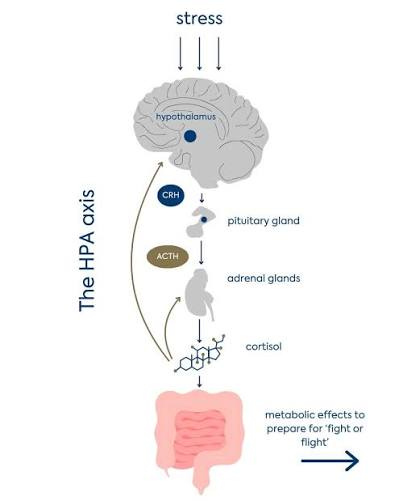
Stress is your body’s natural response to challenges or perceived threats. During stressful situations, your brain releases hormones such as cortisol and adrenaline to help you stay alert and react quickly. While this response is useful in emergencies, your body isn’t designed to remain in this heightened state for weeks or months.
When stress becomes constant, your brain must continuously monitor potential problems, make rapid decisions, regulate emotions, and manage responsibilities. Over time, this ongoing workload consumes significant mental energy, leaving you feeling exhausted.
Common sources of chronic stress include:
- Heavy workloads
- Academic pressure
- Financial worries
- Family responsibilities
- Relationship conflicts
- Health concerns
- Major life changes
Many people become so accustomed to living under stress that they no longer recognize it until symptoms such as brain fog, irritability, or poor sleep begin affecting daily life. Managing stress doesn’t mean eliminating every challenge. Instead, it’s about giving your mind regular opportunities to recover through healthy habits, relaxation, and realistic expectations.
2. Poor Sleep Quality

Sleep is one of the brain’s most important recovery tools. During sleep, your brain processes information gathered throughout the day, strengthens memories, clears metabolic waste, and prepares for the next day’s mental demands.
When sleep is interrupted or insufficient, your brain doesn’t have enough time to complete these essential processes. As a result, you may experience:
- Difficulty concentrating
- Slower thinking
- Reduced attention span
- Increased forgetfulness
- Lower motivation
- Mood changes
Interestingly, sleeping longer doesn’t always solve the problem. If sleep quality is poor due to stress, an uncomfortable sleep environment, irregular schedules, or excessive screen time before bed, you may still wake up feeling mentally drained. Building healthy sleep habits is one of the most effective ways to reduce mental fatigue.
3. Brain Fog
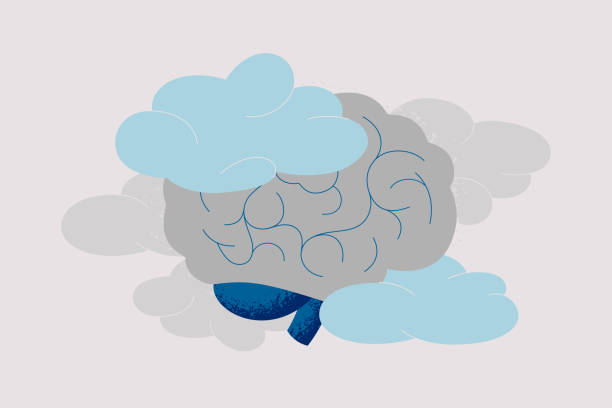
Many people experiencing mental fatigue also describe having brain fog. Brain fog isn’t a medical diagnosis but rather a term used to describe a collection of cognitive symptoms that make thinking feel slower or less clear. People experiencing brain fog often report:
- Difficulty finding words
- Forgetting simple tasks
- Trouble focusing
- Slower problem-solving
- Feeling mentally “cloudy”
- Losing track of conversations
Brain fog may be triggered by several factors, including stress, inadequate sleep, illness, dehydration, poor nutrition, prolonged screen time, or emotional exhaustion. Although occasional brain fog is common, persistent symptoms should be discussed with a healthcare professional to rule out underlying medical conditions. Fortunately, many cases related to lifestyle improve with better sleep, stress management, regular exercise, hydration, and balanced nutrition.
4. Information Overload
The average person processes an enormous amount of information every day. Emails, news articles, social media posts, text messages, videos, advertisements, podcasts, online meetings, and constant notifications all compete for your attention. Your brain wasn’t designed to absorb endless streams of information without rest.
Every time you switch from one task to another, your brain must redirect attention, requiring additional mental effort. This constant information processing can contribute to:
- Reduced concentration
- Mental fatigue
- Decision fatigue
- Difficulty remembering information
- Feeling overwhelmed
Learning to consume information more intentionally can help protect your mental energy. Consider limiting unnecessary notifications, setting specific times for checking email, and creating screen-free periods during the day.
5. Digital Overload

Technology has transformed the way we work, learn, and communicate. While digital tools provide many benefits, constant connectivity also places significant demands on the brain.
Many people begin their day by checking their phones before even getting out of bed and continue using screens until bedtime. Hours of continuous screen exposure may contribute to:
- Eye strain
- Mental exhaustion
- Reduced concentration
- Poor sleep quality
- Increased stress
- Information overload
Social media adds another layer of mental demand. Comparing yourself with others, reading upsetting news, responding to messages, and constantly switching between apps can leave your brain feeling overstimulated. Creating healthy technology boundaries can provide valuable opportunities for mental recovery. Simple strategies include:
- Turning off non-essential notifications
- Avoiding phones during meals
- Scheduling technology-free hours
- Keeping phones out of the bedroom
- Taking regular screen breaks
Even small reductions in screen time can help your brain feel less overloaded.
6. Decision Fatigue

Did you know your brain has a limited capacity for making decisions each day? From the moment you wake up, your brain begins making choices:
- What should I wear?
- What should I eat?
- Which email should I answer first?
- What tasks deserve priority?
- Should I exercise today?
- What should I cook tonight?
Although each decision may seem small, together they consume mental energy. By evening, many people find themselves feeling mentally exhausted, not because of physical activity, but because they’ve made hundreds or even thousands of decisions. Reducing unnecessary decisions can help preserve mental energy. Some people simplify routines by:
- Preparing meals ahead of time
- Planning outfits the night before
- Using daily schedules
- Creating consistent morning routines
Small routines reduce decision-making and free your brain for more meaningful work.
7. Multitasking
Many people believe multitasking increases productivity. In reality, your brain usually doesn’t perform multiple demanding tasks simultaneously. Instead, it rapidly switches attention between activities. Every switch requires additional mental effort. For example:
Writing an email while responding to text messages and listening to a meeting forces your brain to repeatedly change focus. This constant switching increases:
- Mental fatigue
- Mistakes
- Forgetfulness
- Reduced concentration
- Longer completion times
Single-tasking, focusing on one activity at a time often allows the brain to work more efficiently while reducing cognitive strain.
8. Emotional Exhaustion
Mental fatigue isn’t caused only by thinking. Managing emotions also requires significant energy. Supporting a loved one, experiencing grief, navigating relationship difficulties, caregiving, workplace conflict, or worrying about the future can all contribute to emotional exhaustion.
Unlike physical work, emotional labor often continues long after the situation has ended. You may find yourself replaying conversations, imagining future outcomes, or worrying about unresolved problems. Over time, emotional exhaustion may lead to:
- Reduced motivation
- Increased irritability
- Feeling emotionally numb
- Difficulty connecting with others
- Lower resilience
Talking with trusted friends, journaling, practicing self-care, or seeking professional support may help reduce emotional burden.
9. Burnout

Burnout is one of the most serious forms of prolonged mental exhaustion. Unlike ordinary tiredness, burnout develops gradually after long periods of chronic stress without enough recovery. Although often associated with work, burnout can also affect students, caregivers, parents, and anyone managing ongoing responsibilities.
Common signs include:
- Constant exhaustion
- Feeling detached from work or responsibilities
- Reduced motivation
- Difficulty concentrating
- Feeling ineffective despite working hard
- Increased cynicism
- Emotional exhaustion
Recovery from burnout usually requires more than a single vacation or weekend off. It often involves reassessing workloads, improving work-life balance, setting healthier boundaries, prioritizing recovery, and seeking support when needed.
10. Lack of Recovery Time
One of the most overlooked causes of mental fatigue is simply not allowing enough time to recover. Many people fill every moment of the day with productivity.Work ends.
Then household responsibilities begin. Then emails. Then social media. Then television. Then bed. The brain rarely experiences genuine quiet. Recovery isn’t laziness. Recovery allows your brain to process information, regulate emotions, restore attention, and prepare for tomorrow’s challenges. Healthy recovery might include:
- Reading
- Walking outdoors
- Meditation
- Deep breathing
- Spending time with loved ones
- Listening to music
- Gardening
- Creative hobbies
- Sitting quietly without distractions
These moments may appear unproductive, but they are essential for long-term mental performance.
Why Identifying the Cause Matters
Mental fatigue is rarely caused by one factor alone. For many people, it’s the result of several overlapping challenges; poor sleep, chronic stress, digital overload, emotional demands, and a lack of recovery time.

The encouraging news is that once you identify what’s draining your mental energy, you can begin making targeted changes. Even small improvements, such as sleeping more consistently, reducing screen time, taking regular breaks, or simplifying your daily routine can have a meaningful impact over time.
In the next part of this guide, you’ll discover 25 science-backed strategies to overcome mental fatigue naturally, including practical techniques to improve focus, recharge your brain, boost energy, and regain mental clarity.
20+ Science-Backed Ways to Recover From Mental Fatigue Naturally

Recovering from mental fatigue isn’t about finding one quick solution, it’s about giving your brain the rest, nourishment, and support it needs to function at its best. Just as your muscles recover after physical exercise, your brain also needs regular opportunities to recharge.
The strategies below are supported by scientific understanding of brain health, sleep, stress management, and healthy lifestyle habits. While not every method works the same way for everyone, combining several of these habits can help improve focus, mental clarity, and overall well-being over time.
1. Prioritize Quality Sleep
Sleep is your brain’s natural recovery period. During sleep, your brain processes memories, clears waste products, and restores energy needed for thinking, learning, and emotional regulation.

Aim for 7–9 hours of quality sleep each night. Create a consistent bedtime routine, avoid screens before bed, and keep your bedroom cool, quiet, and dark.
2. Take Regular Brain Breaks
Your brain isn’t designed to focus intensely for hours without rest. Short breaks can improve concentration and reduce mental fatigue. A simple method is the Pomodoro Technique:
- Work for 25–50 minutes.
- Take a 5–10 minute break.
- After four work sessions, take a longer break of 20–30 minutes.
Use your breaks to stretch, walk, or look outside instead of checking social media.
3. Exercise Most Days of the Week

Regular physical activity improves blood flow to the brain and supports overall cognitive function. Good options include:
- Walking
- Cycling
- Swimming
- Yoga
- Strength training
- Dancing
Aim for at least 150 minutes of moderate exercise per week.
4. Practice Mindfulness Meditation
Mindfulness helps reduce mental clutter by bringing your attention to the present moment.

Spend 10–15 minutes each day focusing on your breathing or observing your thoughts without judgment. Over time, this practice may improve concentration and emotional resilience.
5. Reduce Multitasking
Although multitasking feels productive, it often forces your brain to switch rapidly between tasks, increasing mental strain.
Instead:
- Finish one task before starting another.
- Silence unnecessary notifications.
- Keep only the tabs and apps you need open.
Single-tasking helps conserve mental energy.
6. Eat Brain-Healthy Foods

Your brain depends on nutrients to perform well. Include foods such as:
- Salmon
- Eggs
- Leafy greens
- Berries
- Walnuts
- Almonds
- Oats
- Avocados
- Beans
- Yogurt
A balanced diet supports steady energy and overall brain health.
7. Stay Hydrated
Even mild dehydration can affect attention, memory, and concentration. Drink water consistently throughout the day rather than waiting until you feel thirsty.
8. Spend Time Outdoors
Nature provides a refreshing change from busy indoor environments and constant screen exposure. Try spending at least 20–30 minutes outdoors several times a week by walking, gardening, or simply sitting in a park.
9. Reduce Digital Overload

Constant notifications keep your brain in a state of continuous alertness. Helpful habits include:
- Turning off unnecessary notifications
- Keeping your phone away during meals
- Creating screen-free hours
- Avoiding screens before bedtime
Your brain benefits from periods without digital stimulation.
10. Listen to Calming Music
Music can help create a relaxing environment after mentally demanding work. Instrumental music, classical music, nature sounds, or soft acoustic playlists are popular choices for unwinding or studying.
11. Practice Deep Breathing
Deep breathing helps shift your body from a stress response toward a calmer state. Try this simple exercise:
- Inhale for four seconds.
- Hold for four seconds.
- Exhale for six seconds.
Repeat for five minutes.
12. Write in a Journal
Writing your thoughts on paper can reduce mental clutter. Ideas include:
- Gratitude journaling
- Daily reflections
- To-do lists
- Goal planning
- Recording achievements
Journaling helps organize thoughts and reduce emotional overload.
13. Simplify Your Schedule
An overloaded calendar leaves little time for recovery. Review your weekly commitments and ask yourself:
- Is this necessary?
- Can it wait?
- Can someone else help?
- Can I say no?
Protecting your time protects your mental energy.
14. Spend Time With Supportive People
Positive relationships provide emotional support during difficult periods. Even a short conversation with a trusted friend or family member can help reduce feelings of isolation and mental exhaustion.
15. Learn to Say No
People who constantly agree to every request often become mentally overwhelmed. Healthy boundaries allow you to protect your energy while focusing on your priorities. Remember that saying no respectfully is a form of self-care.
16. Practice Gratitude
Gratitude helps shift attention away from constant worries. Each evening, write down three things that went well. They can be simple:
- A good cup of coffee
- Finishing a project
- Spending time with family
- A beautiful sunset
This habit encourages a more balanced perspective.
17. Limit Perfectionism
Trying to make everything perfect can be mentally exhausting. Ask yourself:
“Is this task good enough?”
Progress is often more valuable than perfection. Learning to let go of unrealistic expectations reduces unnecessary mental pressure.
18. Spend Time on Creative Hobbies
Creative activities activate different areas of the brain and provide a break from work-related thinking. Ideas include:
- Painting
- Photography
- Cooking
- Gardening
- Playing music
- Reading
- Knitting
- Baking
Enjoy hobbies without worrying about being perfect.
19. Take a Short Walk

Walking is one of the simplest ways to refresh your mind. Even a 10–20 minute walk can:
- Improve mood
- Increase alertness
- Reduce stress
- Encourage creativity
Walking outdoors provides additional benefits through exposure to natural light and fresh air.
20. Create a Relaxing Evening Routine
Mental recovery begins before bedtime. Spend the last hour of your day doing calming activities such as:
- Reading
- Stretching
- Meditation
- Herbal tea
- Journaling
Avoid work emails and stimulating content before bed whenever possible.

21. Practice Self-Compassion
Mental fatigue often becomes worse when we criticize ourselves for feeling tired. Instead of saying:
“I should be able to do more.”
Try saying:
“I’ve been working hard. It’s okay to rest and recover.”
Treat yourself with the same kindness you would offer a friend.
22. Seek Professional Support When Needed
If mental fatigue continues despite healthy lifestyle changes or begins affecting your work, studies, relationships, or daily functioning, speaking with a healthcare or mental health professional can be beneficial. They can help identify possible underlying causes and recommend appropriate treatment or support.
Building Long-Term Mental Energy
Recovering from mental fatigue doesn’t happen overnight. It develops through consistent habits that support your brain every day. googStart by choosing two or three strategies from this list rather than trying to change everything at once. As those habits become part of your routine, gradually add more. Small improvements like getting enough sleep, taking regular breaks, moving your body, and limiting digital distractions can add up to a noticeable difference in your focus, mood, and energy over time.
The goal isn’t to stay productive every minute of the day. It’s to create a sustainable lifestyle that allows your mind to work well while also giving it the recovery it deserves.
Best Foods to Fight Mental Fatigue
The foods you eat provide the fuel your brain needs to think clearly, stay focused, and maintain energy throughout the day. Although no single food can instantly cure mental fatigue, eating a balanced, nutrient-rich diet can support brain function and help reduce feelings of exhaustion over time. Skipping meals or relying heavily on highly processed foods may lead to energy crashes that make mental fatigue feel even worse.

Below are some of the best foods to include in your diet if you’re looking to support mental clarity and long-lasting energy.
1. Fatty Fish
Salmon, sardines, trout, and mackerel are excellent sources of omega-3 fatty acids, which play an important role in normal brain function. These healthy fats support communication between brain cells and are an important part of a balanced diet. Aim to include fatty fish in your meals one to two times each week.
2. Eggs
Eggs provide high-quality protein along with nutrients such as choline, vitamin B12, and B vitamins that support normal brain function and energy metabolism. Enjoy boiled, scrambled, or poached eggs as part of a balanced breakfast.
3. Leafy Green Vegetables
Spinach, kale, Swiss chard, and broccoli provide vitamins, minerals, and antioxidants that contribute to overall health. These vegetables can easily be added to salads, smoothies, soups, or stir-fries.
4. Berries
Blueberries, strawberries, raspberries, and blackberries are rich in antioxidants that help protect cells from everyday oxidative stress. They’re a great addition to yogurt, oatmeal, or smoothies.
5. Nuts and Seeds
Almonds, walnuts, sunflower seeds, pumpkin seeds, and chia seeds provide healthy fats, fiber, and plant-based protein. A small handful makes a nutritious snack that helps maintain steady energy levels.
6. Whole Grains
Unlike refined carbohydrates, whole grains provide slow-releasing energy. Choose foods such as:
- Oatmeal
- Brown rice
- Quinoa
- Whole-grain bread
- Whole-grain pasta
7. Yogurt and Fermented Foods
Yogurt, kefir, kimchi, and sauerkraut contain beneficial bacteria that support gut health. Since the gut and brain communicate closely, maintaining digestive health is an important part of overall wellness.
8. Avocados
Avocados contain healthy fats, fiber, and several vitamins that support a nutritious diet. They pair well with toast, salads, sandwiches, and wraps.
9. Bananas
Bananas provide natural carbohydrates, potassium, and vitamin B6, making them an excellent snack before studying or working.
10. Water
Your brain is approximately 75% water, and even mild dehydration may affect concentration and alertness. Drink water consistently throughout the day to support both physical and mental performance.
Foods That Can Worsen Mental Fatigue
Some foods and drinks may leave you feeling sluggish or contribute to energy crashes. Try to limit:
- Sugary soft drinks
- Candy and sweets
- Highly processed snacks
- Excess fast food
- Energy drinks
- Large amounts of caffeine
- Excess alcohol
Enjoy these foods occasionally while focusing on an overall balanced eating pattern.
Daily Routine to Beat Mental Fatigue

Recovering from mental fatigue isn’t about making one big change; it’s about creating daily habits that allow your brain to recharge consistently.
Morning Routine

Wake Up at the Same Time
A regular sleep schedule supports your body’s natural biological clock.
Drink Water
Rehydrate after sleeping before reaching for coffee.
Get Morning Sunlight
Spend 10–15 minutes outside or near a sunny window.
Natural light helps regulate your sleep-wake cycle and boosts alertness.
Eat a Nutritious Breakfast
Choose meals that include:
- Protein
- Healthy fats
- Fiber
Example:
Greek yogurt with berries and walnuts.
Move Your Body
Stretch, walk, or complete a short workout.
Even 10 minutes of movement can increase energy.
Plan Your Day
Write down your top three priorities.
Avoid overwhelming yourself with a long to-do list.
Midday Routine

Take a five-minute break every hour.
Stand up, stretch, refill your water bottle, or walk outside.
Eat a balanced lunch and avoid working while eating whenever possible.
Limit multitasking.
Focus on completing one important task before moving to another.
Evening Routine

The evening is your brain’s opportunity to slow down and recover. Create a calming routine that includes:
- Turning off work notifications
- Reducing screen time
- Reading
- Journaling
- Gentle stretching
- Meditation
- Herbal tea
- Preparing for tomorrow
Aim to go to bed at the same time each night.
Frequently Asked Questions
What is mental fatigue?
Mental fatigue is a state of reduced mental energy caused by prolonged thinking, decision-making, stress, or emotional effort. It often leads to difficulty concentrating, brain fog, forgetfulness, and low motivation.
Is mental fatigue the same as physical tiredness?
No.
Mental fatigue affects concentration, memory, and motivation, while physical fatigue mainly affects your muscles and physical endurance. However, both can occur at the same time.
Can sleep fix mental fatigue?
Quality sleep is one of the most effective ways to support brain recovery. However, if mental fatigue is caused by ongoing stress, burnout, or lifestyle factors, improving sleep alone may not completely resolve it.
How long does mental fatigue last?
Recovery varies from person to person. Mild mental fatigue may improve after rest and healthy habits, while more persistent symptoms may take longer and sometimes require professional support.
Can exercise improve mental fatigue?
Yes. Regular physical activity supports brain health, improves mood, and can help reduce feelings of mental exhaustion over time.
When should I seek professional help?
Consider speaking with a healthcare or mental health professional if mental fatigue:
- Lasts for several weeks.
- Interferes with work or school.
- Affects relationships.
- Doesn’t improve despite healthy lifestyle changes.
- Is accompanied by severe mood changes or other concerning symptoms.
Weekly Mental Fatigue Recovery Checklist
Use this checklist each week to support your mental well-being.
✅ Slept 7–9 hours most nights
✅ Drank enough water every day
✅ Ate balanced meals
✅ Exercised at least four times
✅ Took regular screen breaks
✅ Limited social media
✅ Spent time outdoors
✅ Practiced mindfulness or deep breathing
✅ Wrote in a journal
✅ Connected with family or friends
✅ Read a book instead of scrolling before bed
✅ Maintained a consistent bedtime
✅ Took at least one relaxing walk
✅ Completed one enjoyable hobby
✅ Said “no” when necessary to protect your energy
Remember, consistency matters more than perfection.
Conclusion

Mental fatigue is becoming increasingly common in today’s fast-paced, technology-driven world, but feeling mentally exhausted all the time isn’t something you have to accept as normal. Your brain works incredibly hard every day—processing information, solving problems, making decisions, managing emotions, and adapting to constant change. Just like any other part of your body, it needs regular care and recovery to perform at its best.
The encouraging news is that even small daily habits can make a meaningful difference. Prioritizing quality sleep, nourishing your body with healthy foods, staying physically active, taking regular breaks, managing screen time, and making space for relaxation can all help restore mental energy over time.
Recovery doesn’t happen overnight, and there will be days when you still feel mentally drained. That’s okay. Instead of aiming for perfection, focus on steady progress. Every healthy choice—whether it’s taking a walk, drinking more water, practicing mindfulness, or simply allowing yourself time to rest—is an investment in your long-term well-being.
If your symptoms persist, become overwhelming, or interfere with your daily life, seeking guidance from a qualified healthcare or mental health professional is an important step. Support is available, and asking for help is a sign of strength, not weakness. By caring for your mind as intentionally as you care for your body, you can build greater resilience, improve focus, and enjoy a healthier, more balanced life.
You might also like

How to Stop Overthinking: The Complete Guide to Quieting Your Mind Naturally
📋 Table of Contents Part 1: Understanding Overthinking Reduced Productivity Increased Stress Mental Fatigue Poor Sleep…

The Science of Happiness: 25 Daily Habits That Naturally Improve Your Mood
📋 Table of Contents What does it truly mean to be happy? Emotional Happiness Life Satisfaction…

How Stress Affects Your Body and Mind: Understanding the Hidden Impact of Chronic Stress
📋 Table of Contents 1. Fatty Fish 2. Leafy Green Vegetables 3. Whole Grains 4. Nuts…