
How to Read Nutrition Labels Like a Pro
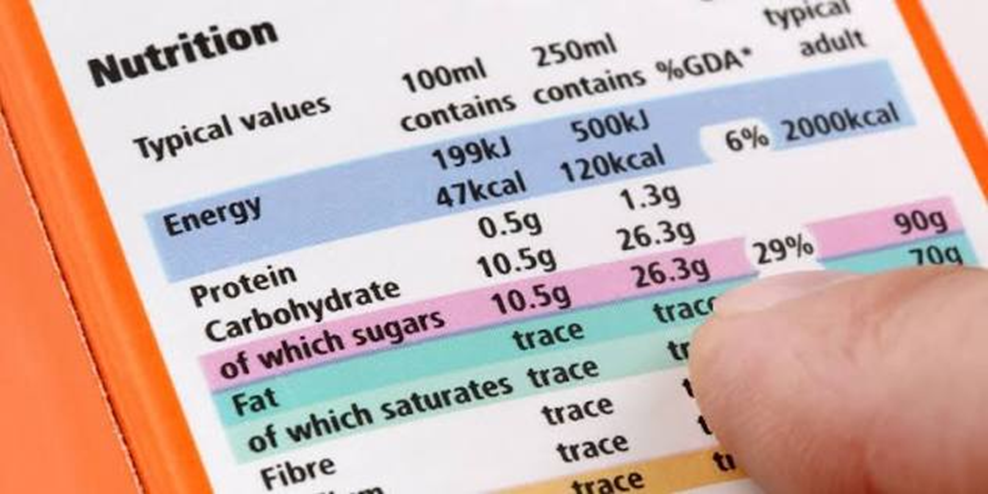
Make Smarter Food Choices with Confidence
Have you ever picked up two similar products at the grocery store and wondered which one was actually healthier? Many food packages display eye-catching claims like:
- “Low Fat”
- “Natural”
- “High Protein”
- “Sugar-Free”
- “Organic”
- “Heart Healthy”
- “Gluten-Free”
While these labels may sound impressive, they don’t always tell the full story. The real information is hidden on the Nutrition Facts Label and the Ingredients List.
Learning how to read nutrition labels is one of the most valuable skills you can develop for maintaining a healthy lifestyle. It helps you compare products, avoid misleading marketing claims, and choose foods that better support your health goals.
In this comprehensive guide, you’ll learn exactly how to read nutrition labels like a pro, what each section means, common marketing tricks to avoid, and practical shopping tips that make healthy eating easier.
Why Nutrition Labels Matter
Nutrition labels help consumers understand what’s inside packaged foods. Reading them regularly allows you to:
- Compare similar products
- Monitor calorie intake
- Reduce added sugars
- Choose healthier fats
- Limit sodium
- Increase fiber intake
- Meet protein goals
- Make informed shopping decisions
Instead of relying on the front of the package, always check the complete nutrition information.
Understanding the Nutrition Facts Label
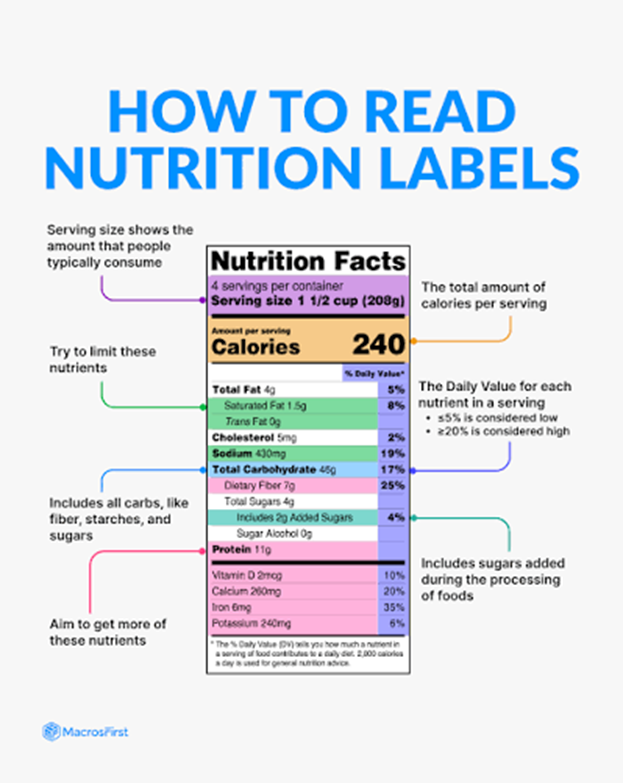
Every packaged food contains important nutrition information. Let’s break down each section.
1. Serving Size
The serving size is the amount used to calculate all the nutritional information listed on the label.
Example:
Serving Size:
1 cup (228 g)
If you eat 2 cups, you’re consuming:
- Twice the calories
- Twice the fat
- Twice the sugar
- Twice the sodium
One of the most common mistakes people make is forgetting to adjust for the number of servings they actually eat.
2. Calories
Calories tell you how much energy one serving provides.
Example:
Calories per serving:
250
If you eat two servings:
250 × 2 = 500 calories
Calories are important, but they should always be considered alongside the food’s nutritional quality.
3. Total Fat
Not all fats are created equal.
Healthy Fats
Choose foods containing:
- Monounsaturated fats
- Polyunsaturated fats
- Omega-3 fatty acids
Found in:
- Nuts
- Seeds
- Avocados
- Olive oil
- Fatty fish
Limit Saturated Fat
Too much saturated fat may increase the risk of heart disease in some individuals. Common sources include:
- Butter
- Fatty meats
- Full-fat dairy
- Processed foods
Avoid Trans Fat
Trans fats offer no known health benefits and should be minimized whenever possible.
Always check:
Trans Fat = 0 g
Also review the ingredient list for:
- Partially hydrogenated oils
4. Cholesterol
Cholesterol is naturally found in many animal foods. Most healthy individuals don’t need to avoid cholesterol completely, but moderation remains important as part of a balanced diet.
5. Sodium
Sodium helps regulate fluid balance, but excessive intake may contribute to high blood pressure in some people. Aim to compare products and choose lower-sodium options whenever practical. Common high-sodium foods include:
- Instant noodles
- Processed meats
- Frozen meals
- Packaged soups
- Chips
6. Total Carbohydrates
Carbohydrates provide your body’s preferred source of energy. They include:
- Fiber
- Starches
- Sugars
The goal isn’t to avoid carbohydrates; it’s to choose healthier sources.
Examples:
- Whole grains
- Beans
- Fruits
- Vegetables
7. Dietary Fiber
Fiber is one of the most important nutrients for overall health.
Benefits include:
- Better digestion
- Increased fullness
- Stable blood sugar
- Heart health
Look for foods that contain several grams of fiber per serving. Good sources include:
- Oats
- Beans
- Whole grains
- Fruits
- Vegetables
8. Added Sugars
One of the most important parts of any nutrition label is Added Sugars. Natural sugars occur naturally in foods like fruit and milk. Added sugars are included during processing. Common names include:
- Cane sugar
- Brown sugar
- Corn syrup
- High-fructose corn syrup
- Honey
- Maple syrup
- Dextrose
- Maltose
Whenever possible, choose products with lower amounts of added sugar.
9. Protein
Protein supports:
- Muscle maintenance
- Growth
- Tissue repair
- Satiety
Higher-protein foods may help keep you feeling full longer. Good sources include:
- Greek yogurt
- Eggs
- Fish
- Chicken
- Beans
- Lentils
- Tofu
10. Vitamins and Minerals
Many labels include nutrients such as:
- Vitamin D
- Calcium
- Iron
- Potassium
These nutrients play important roles in maintaining healthy bones, muscles, nerves, and overall body function.
Understanding % Daily Value (%DV)
The Percent Daily Value (%DV) shows how much a nutrient in one serving contributes to your total daily needs.
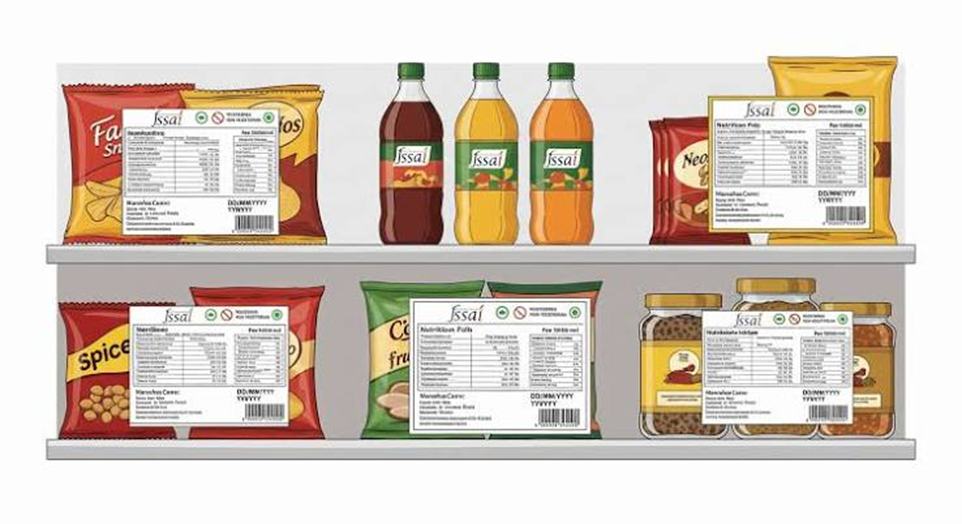
A simple guide:
- 5% DV or less = Low
- 20% DV or more = High
Generally:
Choose foods:
✔ High in:
- Fiber
- Calcium
- Iron
- Potassium
Limit foods high in:
- Sodium
- Saturated fat
- Added sugar
Don’t Ignore the Ingredients List

The ingredients list is just as important as the Nutrition Facts panel. Ingredients appear in descending order by weight.
That means the first few ingredients make up most of the product.
For example:
Whole Oats, Almonds, Raisins…
Generally indicates a wholesome product.
Compare with:
Sugar, Corn Syrup, Palm Oil…
This suggests the product contains large amounts of added sweeteners and processed fats.
Common Marketing Claims Explained
“Natural”
This doesn’t automatically mean healthy. Always check the nutrition label.
“Low Fat”
Some low-fat foods contain large amounts of added sugar.
“Sugar-Free”
These products may contain artificial sweeteners or sugar alcohols.
“Multigrain”
Multigrain simply means multiple grains are used. Look for 100% Whole Grain whenever possible.
“Organic”
Organic foods may still contain sugar, sodium, or calories similar to non-organic products. Organic doesn’t automatically mean healthier.
Grocery Shopping Tips
Compare Similar Products
Take a few extra seconds to compare:
- Calories
- Fiber
- Protein
- Sodium
- Added sugar
Small differences add up over time.
Shop the Outer Aisles
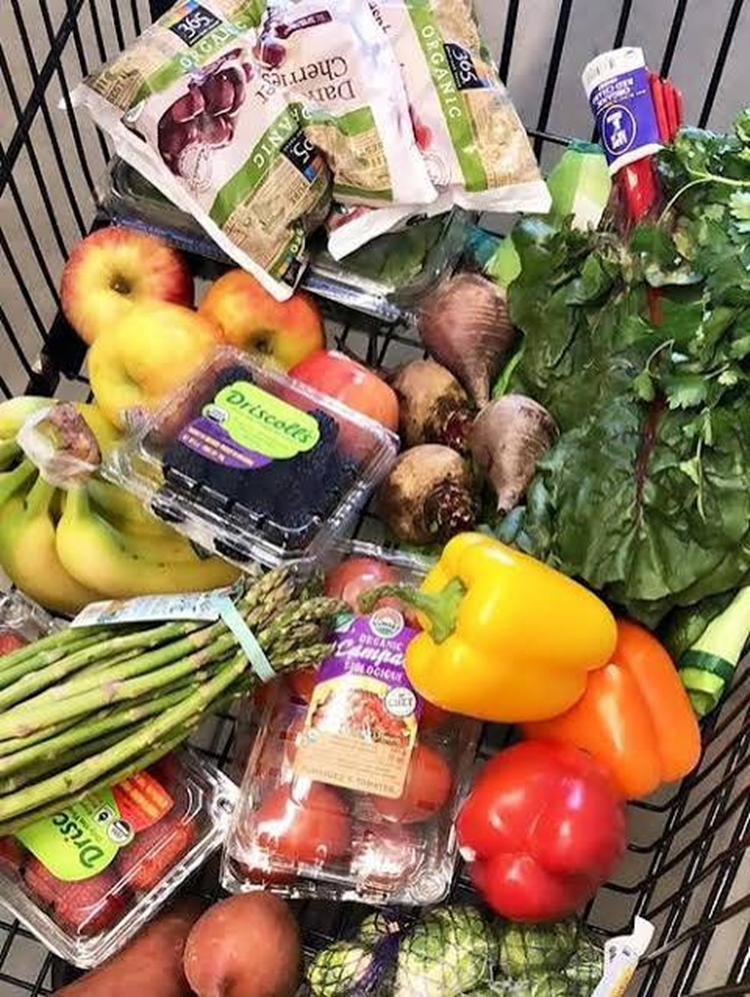
Fresh foods such as:
- Fruits
- Vegetables
- Dairy
- Eggs
- Meat
are often found around the perimeter of many grocery stores.
Don’t Shop Hungry
Shopping while hungry increases the likelihood of impulse purchases. Eat a balanced meal or snack beforehand.
Choose Foods with Short Ingredient Lists
In many cases, fewer recognizable ingredients indicate less processing.
Foods That Often Hide Added Sugar
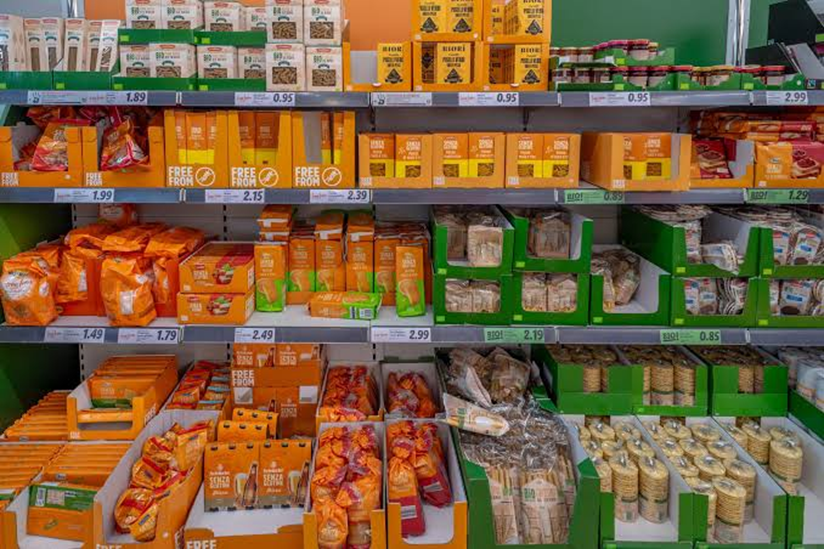
Watch for hidden sugars in:
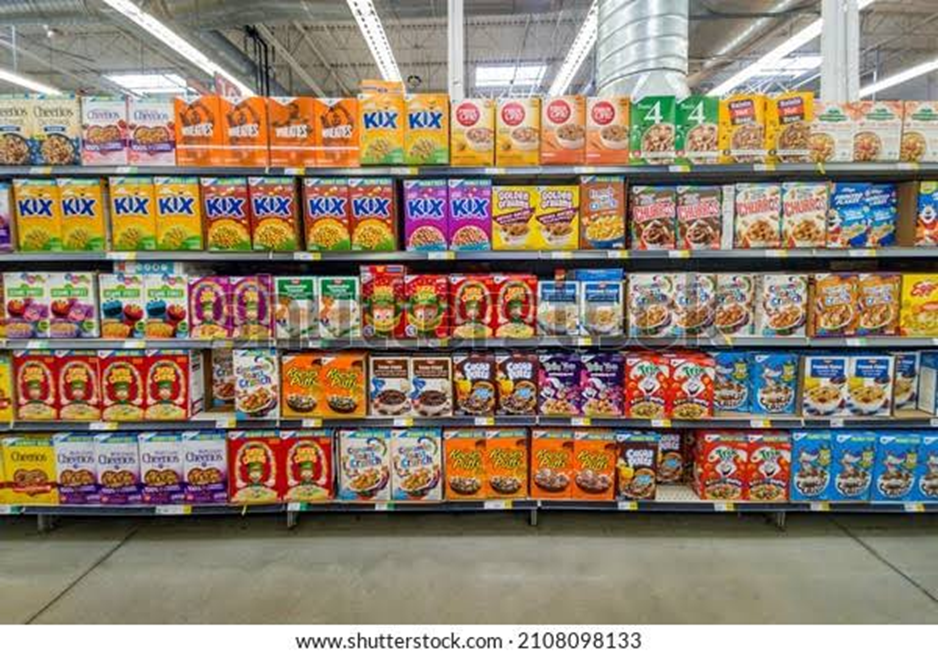
- Breakfast cereals
- Granola bars
- Yogurt
- Pasta sauces
- Salad dressings
- Flavored drinks
- Instant oatmeal
Reading labels can help you identify these hidden sources.
Practice Label Reading
Imagine comparing two breakfast cereals.
Cereal A
- 220 calories
- 14 g added sugar
- 2 g fiber
- 4 g protein
Cereal B
- 180 calories
- 4 g added sugar
- 7 g fiber
- 6 g protein
Although both seem similar, Cereal B provides more fiber and protein with much less added sugar, making it a more balanced choice for many people.
Common Nutrition Label Mistakes
Avoid these common errors:
- Ignoring serving size
- Looking only at calories
- Forgetting to check added sugar
- Overlooking sodium
- Ignoring the ingredients list
- Trusting marketing claims without reading the label
Frequently Asked Questions
Should I always choose the product with fewer calories?
Not necessarily. Consider the overall nutritional value, including protein, fiber, vitamins, minerals, and added sugars—not just calories.
Is all sugar bad?
No. Natural sugars in whole fruits and dairy come with beneficial nutrients. It’s generally recommended to limit added sugars, not naturally occurring sugars in whole foods.
Are all processed foods unhealthy?
No. Many minimally processed foods, such as frozen vegetables, canned beans (with low sodium), and plain yogurt, can be nutritious choices.
What’s the first thing I should check on a nutrition label?
Start with the serving size, then review calories, added sugars, fiber, protein, sodium, and the ingredients list.
Final Thoughts
Learning to read nutrition labels is one of the simplest ways to take control of your health. Instead of relying on flashy packaging or marketing claims, you’ll be able to understand what’s truly inside the foods you buy.
Remember, no single food determines your overall health. What matters most is your overall eating pattern over time.
By comparing labels, choosing foods higher in fiber and protein, limiting added sugars and excess sodium, and paying attention to ingredients, you can make smarter choices that support your long-term wellness goals.
At Everyday Wellness, we believe that knowledge is one of the most powerful ingredients for a healthier life. Every informed decision at the grocery store is a step toward better nutrition and lasting well-being.
Key Takeaways
- Always start with the serving size before interpreting the rest of the nutrition label.
- Compare products using calories, fiber, protein, sodium, and added sugars.
- Read the ingredients list to understand what the product contains.
- Don’t rely solely on front-of-package marketing claims.
- Small, informed shopping decisions can lead to healthier eating habits over time.
You might also like
Ultra-Processed Foods Explained: Should You Really Avoid Them?
📋 Table of Contents 1. Unprocessed or Minimally Processed Foods 2. Processed Culinary Ingredients 3. Processed…
What Happens to Your Body When You Quit Added Sugar for 30 Days? A Science-Backed Guide
📋 Table of Contents Natural Sugars Added Sugars Blood Sugar Fluctuations Habits Emotional Eating Food Environment…
Foods That Naturally Improve Brain Function
Feed Your Brain the Nutrients It Needs to Think, Learn, and Thrive Your brain is the…