
Foods That Naturally Improve Brain Function
Feed Your Brain the Nutrients It Needs to Think, Learn, and Thrive
Your brain is the control center of your body. It processes every thought, stores memories, controls movement, regulates emotions, and coordinates countless functions every second of the day. Despite making up only about 2% of your body weight, your brain uses approximately 20% of your daily energy. Like every other organ, your brain depends on proper nutrition to function at its best. The foods you eat can affect your concentration, memory, mood, learning ability, and even your long-term risk of cognitive decline.
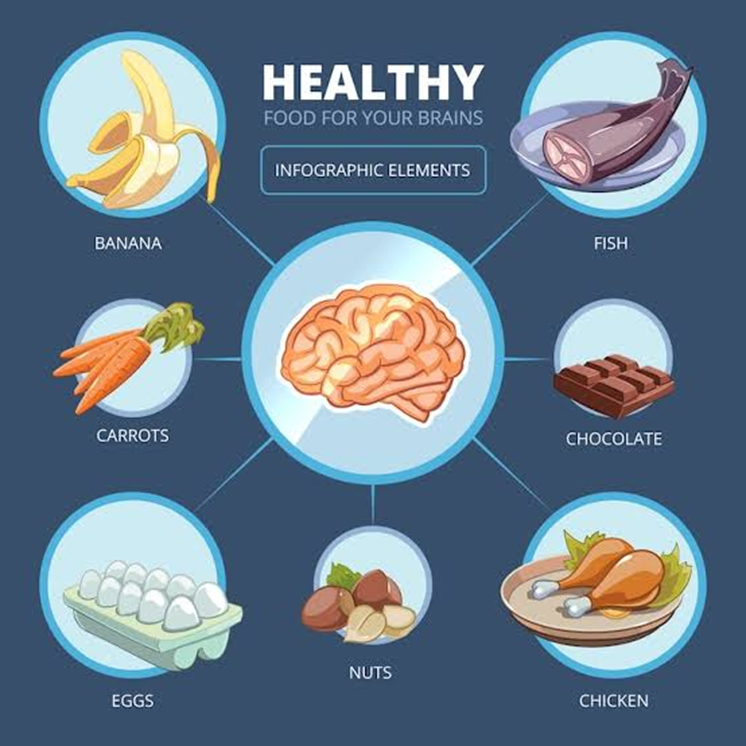
While no single food can make you instantly smarter, a balanced diet rich in nutrient-dense foods provides the vitamins, minerals, antioxidants, and healthy fats your brain needs to stay healthy throughout life. In this comprehensive guide, you’ll discover the 15 best foods that naturally improve brain function, the nutrients behind their benefits, and practical ways to include them in your daily diet.
How Nutrition Affects Brain Health
Every time you eat, your digestive system breaks food into nutrients that travel through your bloodstream to your brain. These nutrients help:
- Build brain cells
- Protect neurons from damage
- Produce neurotransmitters
- Improve blood flow
- Reduce inflammation
- Support memory formation
- Maintain healthy mood
- Protect against oxidative stress
Poor dietary habits, on the other hand, may contribute to inflammation and reduced cognitive performance over time.
Essential Nutrients Your Brain Needs
Before exploring the best brain foods, it’s helpful to understand the nutrients that support cognitive health.

Omega-3 Fatty Acids
Support communication between brain cells and maintain healthy cell membranes.
Antioxidants
Protect brain cells from damage caused by free radicals.
B Vitamins
Support energy production and healthy nerve function.
Vitamin E
Helps protect brain cells from oxidative stress.
Iron
Carries oxygen to the brain.
Magnesium
Supports learning, memory, and nerve signaling.
Zinc
Contributes to normal brain development and function.
1. Fatty Fish
Fatty fish are often considered the gold standard for brain nutrition because they are rich in Omega-3 fatty acids, especially DHA, an important structural component of the brain.
Best Choices
- Salmon
- Sardines
- Mackerel
- Trout
- Herring
Brain Benefits
- Supports memory
- Improves learning
- Maintains healthy brain cells
- Supports mood
- Reduces inflammation
Aim to eat fatty fish once or twice each week.
2. Blueberries
Blueberries contain powerful antioxidants called anthocyanins that help protect brain cells from oxidative damage.
Benefits
- Supports memory
- Improves communication between brain cells
- Helps reduce inflammation
- Supports healthy aging
Enjoy fresh or frozen blueberries in smoothies, oatmeal, or yogurt.

3. Walnuts
Among all nuts, walnuts are particularly rich in plant-based Omega-3 fats.
Benefits
- Supports concentration
- Promotes healthy aging
- Provides healthy fats
- Rich in antioxidants
A handful of walnuts makes an excellent daily snack.
4. Eggs
Eggs provide several nutrients important for brain health, including:
- Choline
- Vitamin B12
- Vitamin B6
- Folate
- Protein

Benefits
Choline helps your body produce acetylcholine, a neurotransmitter involved in memory and learning.
5. Dark Leafy Greens
Vegetables such as spinach and kale provide nutrients that support healthy brain aging.
Rich In
- Vitamin K
- Folate
- Lutein
- Beta-carotene
Benefits
- Supports memory
- Protects brain cells
- Promotes healthy circulation
Try adding leafy greens to salads, soups, or smoothies.
6. Pumpkin Seeds
Don’t underestimate these tiny seeds. They provide:
- Zinc
- Magnesium
- Iron
- Copper
Benefits
- Supports nerve signaling
- Helps improve focus
- Supports memory
- Provides antioxidants
7. Dark Chocolate
Dark chocolate with at least 70% cocoa contains flavonoids that may support brain health.
Benefits
- Improves blood flow to the brain
- Supports concentration
- May improve mood
- Rich in antioxidants
Enjoy in moderation due to its calorie content.
8. Avocados
Avocados are rich in healthy monounsaturated fats that support healthy blood circulation.
Benefits
- Supports brain blood flow
- Provides Vitamin E
- Promotes healthy aging
- Supports concentration
9. Broccoli
Broccoli is packed with antioxidants and Vitamin K.
Benefits
- Supports memory
- Protects brain cells
- Reduces oxidative stress
Lightly steam broccoli to preserve nutrients.
10. Green Tea

Green tea contains caffeine and an amino acid called L-theanine, which work together to support alertness without excessive nervousness.
Benefits
- Improves focus
- Supports memory
- Promotes relaxation
- Rich in antioxidants
11. Whole Grains
Your brain depends on a steady supply of glucose. Whole grains release energy gradually. Healthy choices include:
- Oats
- Brown rice
- Whole wheat
- Quinoa
- Barley
Benefits
- Stable energy
- Better concentration
- Supports heart health
12. Oranges
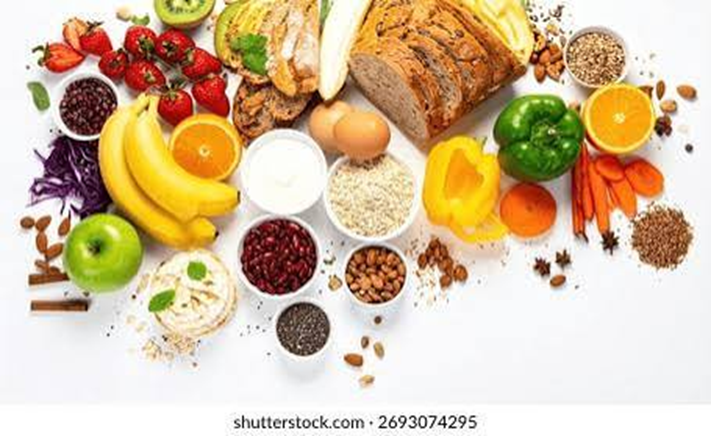
One medium orange provides an excellent amount of Vitamin C.
Benefits
- Protects brain cells
- Supports healthy aging
- Helps reduce oxidative stress
Vitamin C is an important antioxidant for brain function.
13. Turmeric
Turmeric contains curcumin, a compound studied for its anti-inflammatory and antioxidant properties.
Benefits
- Supports memory
- Helps reduce inflammation
- Promotes overall brain health
Combine turmeric with black pepper to improve absorption.
14. Coffee
Coffee is more than a morning pick-me-up. When consumed in moderation, coffee may:
- Improve alertness
- Increase concentration
- Support reaction time
- Enhance short-term attention
Avoid excessive added sugar and cream.
15. Berries
In addition to blueberries, strawberries, raspberries, and blackberries provide antioxidants that support healthy brain aging.
Benefits
- Protect neurons
- Improve communication between brain cells
- Support memory
Aim for a variety of colorful berries throughout the week.
Lifestyle Habits That Improve Brain Function

Nutrition is only one piece of the puzzle. To support long-term brain health:
Prioritize Quality Sleep
Adults should aim for 7–9 hours each night.
Exercise Regularly
Physical activity improves blood flow to the brain and supports cognitive function.
Stay Mentally Active
Read books, solve puzzles, learn new skills, or play strategy games.
Manage Stress
Chronic stress can negatively affect memory and concentration.
Practice:
- Meditation
- Deep breathing
- Yoga
- Mindfulness
Stay Socially Connected
Meaningful relationships and conversations stimulate the brain and support emotional well-being.
Sample Brain-Healthy Meal Plan
Breakfast
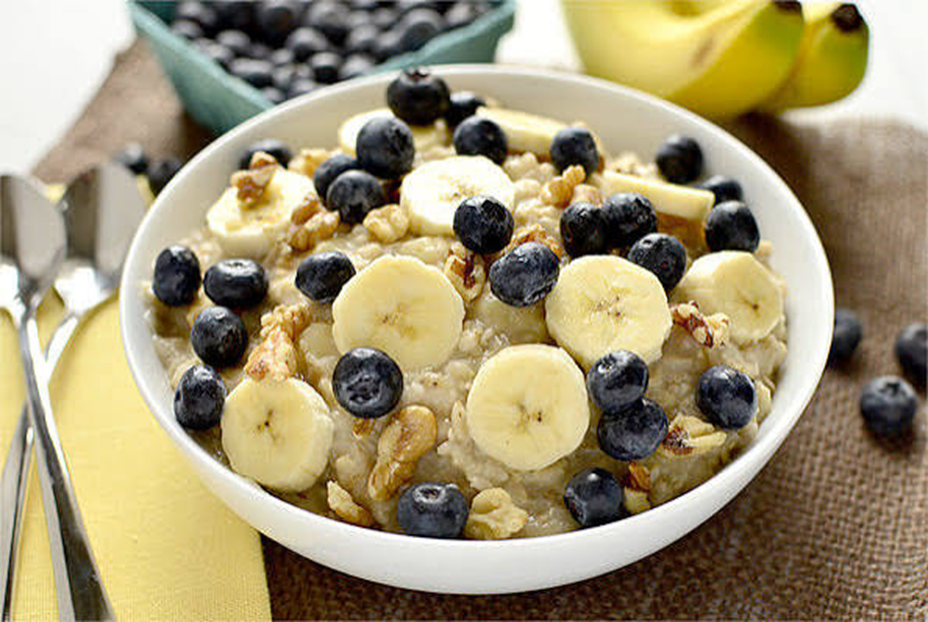
Oatmeal topped with blueberries, walnuts, and chia seeds.
Morning Snack
Orange and pumpkin seeds.
Lunch
Grilled salmon with spinach salad and avocado.
Afternoon Snack
Greek yogurt with mixed berries.
Dinner
Broccoli, brown rice, grilled chicken, and steamed vegetables.
Evening
Green tea and one small square of dark chocolate.
Foods That May Negatively Affect Brain Health
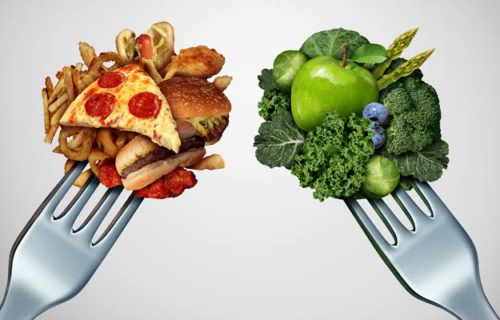
While adding healthy foods is important, limiting less nutritious options also matters. Try to reduce:
- Sugary soft drinks
- Candy
- Highly processed snacks
- Refined carbohydrates
- Deep-fried foods
- Excess alcohol
- Processed meats
These foods may contribute to inflammation and reduce overall diet quality.
Common Myths About Brain Foods
Myth: One food can dramatically increase intelligence.
Fact: No single food can make you smarter. Long-term brain health depends on an overall healthy lifestyle and balanced diet.
Myth: Brain supplements are better than food.
Fact: Whole foods provide a wide range of nutrients and beneficial compounds that supplements cannot fully replicate.
Myth: Coffee damages your brain.
Fact: Moderate coffee consumption can support alertness and concentration for many healthy adults.
Myth: Memory loss is an unavoidable part of aging.
Fact: While some changes occur naturally with age, healthy eating, physical activity, mental stimulation, and social engagement may help support cognitive health.
Frequently Asked Questions
Which food is best for memory?
There isn’t one “best” food, but fatty fish, berries, walnuts, eggs, and leafy greens are among the most researched foods for supporting memory and brain health.
Can diet improve concentration?
A balanced diet that includes whole grains, healthy fats, lean protein, fruits, and vegetables helps provide steady energy and nutrients that support focus and concentration.
Are Omega-3 fats important for the brain?
Yes. Omega-3 fatty acids, particularly DHA, are essential components of brain cell membranes and play an important role in normal brain function.
Is chocolate good for the brain?
Dark chocolate contains flavonoids that may support blood flow to the brain. Choose varieties with at least 70% cocoa and enjoy them in moderation.
Final Thoughts
Your brain works tirelessly every day, and the foods you choose can help it perform at its best.
By regularly eating nutrient-rich foods such as fatty fish, berries, leafy greens, whole grains, eggs, nuts, seeds, and healthy fats, you provide your brain with the building blocks it needs for memory, focus, learning, and long-term cognitive health.
Remember, lasting brain health doesn’t come from one “superfood.” It comes from consistent healthy eating, regular exercise, quality sleep, stress management, and lifelong learning.
At Everyday Wellness, we believe that caring for your brain is one of the most valuable investments you can make—for today and for the future.
Key Takeaways
- Your brain uses about 20% of your body’s energy, making nutrition essential.
- Omega-3 fats, antioxidants, B vitamins, and healthy fats support memory and concentration.
- Fatty fish, berries, walnuts, eggs, leafy greens, and whole grains are among the best brain foods.
- Limit highly processed foods and added sugars to support overall brain health.
- Healthy lifestyle habits work together with good nutrition to maintain cognitive function.
You might also like
Ultra-Processed Foods Explained: Should You Really Avoid Them?
📋 Table of Contents 1. Unprocessed or Minimally Processed Foods 2. Processed Culinary Ingredients 3. Processed…
What Happens to Your Body When You Quit Added Sugar for 30 Days? A Science-Backed Guide
📋 Table of Contents Natural Sugars Added Sugars Blood Sugar Fluctuations Habits Emotional Eating Food Environment…

How to Stop Overthinking: The Complete Guide to Quieting Your Mind Naturally
📋 Table of Contents Part 1: Understanding Overthinking Reduced Productivity Increased Stress Mental Fatigue Poor Sleep…