
How to Stop Overthinking: The Complete Guide to Quieting Your Mind Naturally

📋 Table of Contents
- Part 1: Understanding Overthinking
- Reduced Productivity
- Increased Stress
- Mental Fatigue
- Poor Sleep
- Relationship Problems
- Missed Opportunities
- 1. Rumination
- 2. Worry
- 1. Mental Health
- 2. Sleep
- 3. Relationships
- 4. Productivity
- 5. Physical Health
- 6. Confidence
- 7. Decision-Making
- Relationships
- Work
- School and Exams
- Health
- Social Situations
- Money
- The Future
- Myth 1: Overthinking Helps Solve Every Problem
- Myth 2: Smart People Overthink More
- Myth 3: You Can Completely Eliminate Overthinking
- Myth 4: Thinking More Always Leads to Better Decisions
- Can Overthinking Be Stopped?
- Is Overthinking a Sign of Anxiety?
- Why Do I Overthink More at Night?
- Can Exercise Reduce Overthinking?
- Does Meditation Help Stop Overthinking?
- Is Overthinking Ever Helpful?
- Morning Routine
- Afternoon Routine
- Evening Routine
Part 1: Understanding Overthinking
Have you ever replayed a conversation in your mind long after it ended, wondering if you said the wrong thing? Or spent hours worrying about a future event that hasn’t even happened yet? If so, you’re not alone.
Overthinking is something almost everyone experiences from time to time. It’s your brain’s attempt to solve problems, avoid mistakes, or prepare for uncertainty. While thinking carefully can be helpful, overthinking often goes beyond productive problem-solving. Instead of leading to solutions, it traps you in an endless cycle of doubts, worries, and “what if” scenarios that leave you feeling mentally exhausted.
In today’s fast-paced world, overthinking has become increasingly common. Constant notifications, social media comparisons, demanding work schedules, and information overload make it easy for our minds to stay busy even when our bodies are trying to rest. Many people find themselves analyzing every decision, worrying about the future, or replaying past events, often without realizing how much mental energy these habits consume.
Occasional overthinking is a normal part of life. However, when it becomes frequent, it can interfere with your sleep, reduce productivity, affect relationships, and increase feelings of stress and anxiety. Over time, it may leave you feeling emotionally drained and disconnected from the present moment.
The good news is that overthinking is a habit—not a permanent personality trait. Like many habits, it can be understood, managed, and gradually replaced with healthier ways of responding to life’s challenges.
In this comprehensive guide, you’ll learn what overthinking really is, why it happens, how it affects your mental and physical well-being, and practical, science-informed strategies to quiet your mind and regain a greater sense of calm.
Why Do We Overthink?
The human brain is designed to solve problems and protect us from danger. Throughout history, anticipating threats helped people survive. Even though modern life is very different, our brains still try to predict possible problems and prepare for them.
Sometimes this ability is useful. Thinking through an important decision, planning ahead, or reflecting on past experiences can help you learn and grow. The problem begins when your thoughts stop being productive and become repetitive.
For example, imagine you’re preparing for an important presentation. Thinking about your key points and practicing beforehand is productive. However, repeatedly imagining every possible mistake, worrying about what people might think, and replaying the same fears over and over doesn’t improve your performance. Instead, it increases stress while making it harder to focus.
Overthinking often creates the illusion that we’re solving problems when we’re actually repeating the same thoughts without reaching a conclusion.
Our brains naturally seek certainty, but many parts of life are unpredictable. When we can’t find clear answers, the mind sometimes continues searching endlessly, hoping that thinking harder will eliminate uncertainty.
Unfortunately, uncertainty is a normal part of life, and learning to tolerate it is an important step toward reducing overthinking.
Is Overthinking Normal?
Yes. Everyone overthinks occasionally. It’s natural to worry before an important exam, job interview, medical appointment, or major life decision. Reflecting on past experiences also helps us learn from mistakes and make better choices in the future. Overthinking becomes a problem when it begins to happen so often that it affects your daily life.
You might notice that:
- You replay conversations repeatedly.
- You struggle to make even simple decisions.
- Your thoughts keep racing when you’re trying to sleep.
- Small mistakes feel much bigger than they really are.
- You constantly imagine worst-case scenarios.
- Your worries make it difficult to enjoy the present moment.
If these experiences sound familiar, you’re certainly not alone. Many people experience periods of excessive thinking, especially during stressful times. The important thing to remember is that overthinking doesn’t mean you’re weak or incapable. It simply means your brain has developed a habit of responding to uncertainty in an unhelpful way.
The Hidden Cost of Overthinking

Overthinking may seem harmless because it happens inside your mind, but its effects often extend into nearly every area of life.
Reduced Productivity
Many people believe that thinking longer leads to better decisions. In reality, excessive thinking often delays action. You may spend hours researching, comparing options, or second-guessing yourself without making meaningful progress. This is sometimes called analysis paralysis, where thinking replaces doing.
Increased Stress
The brain reacts to imagined threats in many of the same ways it responds to real ones. Constant worrying can leave your body feeling tense, making it difficult to relax even when nothing dangerous is happening.
Mental Fatigue
Thinking requires energy. When your brain spends hours replaying conversations, predicting future problems, or analyzing every possibility, it eventually becomes mentally exhausted. This may contribute to:
- Brain fog
- Poor concentration
- Forgetfulness
- Decision fatigue
- Reduced creativity
Poor Sleep
Many people notice that overthinking becomes worse at night. When distractions disappear and the day becomes quiet, the mind often begins reviewing conversations, worrying about tomorrow, or replaying past events. This can make falling asleep difficult and reduce sleep quality.
Relationship Problems
Overthinking may also affect relationships. You might:
- Read too much into text messages.
- Assume others are upset with you without evidence.
- Worry excessively about what people think.
- Avoid difficult conversations.
- Constantly seek reassurance.
These patterns can create unnecessary misunderstandings and emotional stress.
Missed Opportunities
Sometimes the biggest cost of overthinking is not making mistakes—it’s missing opportunities altogether. Fear of choosing the wrong option may prevent you from:
- Applying for a new job
- Starting a business
- Asking someone out
- Traveling
- Learning a new skill
- Sharing your ideas
Progress often requires accepting some uncertainty.
What Is Overthinking?
Overthinking is the habit of thinking about the same situation repeatedly without reaching a helpful conclusion. Instead of solving problems, your mind becomes trapped in repetitive thoughts that increase stress and make decision-making more difficult. Overthinking usually involves:
- Replaying past events
- Worrying excessively about the future
- Imagining worst-case scenarios
- Constantly questioning your decisions
- Searching for perfect answers
The key difference between healthy thinking and overthinking is whether your thoughts lead to action. Healthy thinking ends with a decision. Overthinking often ends with more questions.
Types of Overthinking
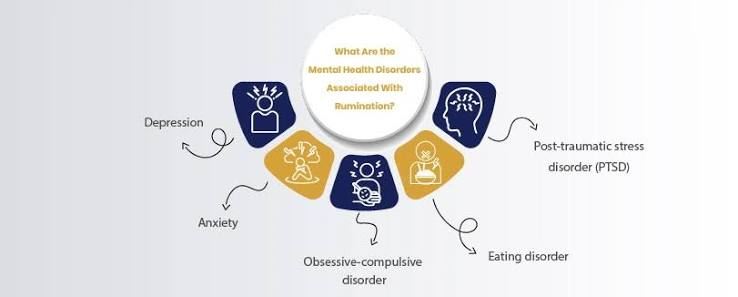
Although overthinking can take many forms, psychologists generally recognize two common patterns.
1. Rumination
Rumination involves repeatedly thinking about the past. Examples include:
- “Why did I say that?”
- “I should have done things differently.”
- “What if I embarrassed myself?”
- “Why can’t I stop thinking about that mistake?”
Instead of learning from the experience and moving forward, the mind continues replaying the same event.
2. Worry
Worry focuses on the future. Common examples include:
- “What if I fail?”
- “What if something goes wrong?”
- “What if people judge me?”
- “What if I make the wrong decision?”
While some planning is helpful, excessive worrying often imagines unlikely situations without providing practical solutions.
Rumination vs. Worry
Although they often occur together, rumination and worry are slightly different.
| Rumination | Worry |
|---|---|
| Focuses on the past | Focuses on the future |
| Replays previous events | Predicts future problems |
| Often involves regret | Often involves fear and uncertainty |
| “Why did this happen?” | “What if this happens?” |
Recognizing whether you’re ruminating or worrying can help you choose healthier coping strategies.
Why Does the Brain Get Stuck?
Your brain prefers certainty. When something feels uncertain, unresolved, or emotionally important, your mind naturally tries to find answers. Unfortunately, some questions simply don’t have perfect solutions. Questions like:
- “Did I make the right choice?”
- “What do they really think of me?”
- “Will everything work out?”
often cannot be answered with complete certainty. Instead of accepting uncertainty, the brain may continue searching for answers that don’t exist. Stress, anxiety, perfectionism, and fear of failure can all strengthen this cycle, making it harder to stop thinking. The encouraging news is that the brain is adaptable. By practicing healthier thinking habits, mindfulness, and stress-management techniques, you can gradually interrupt these patterns and train your mind to respond more calmly to uncertainty.

20 Science-Backed Ways to Stop Overthinking
Overthinking can feel impossible to control, but it isn’t permanent. Research in psychology and mental wellness suggests that certain daily habits can help interrupt repetitive thought patterns, reduce stress, and improve emotional resilience over time. The goal isn’t to eliminate thinking altogether—it’s to shift from unproductive worry to healthier, more balanced thinking.
Below are 20 practical, science-informed strategies that can help you quiet your mind naturally.
1. Recognize When You’re Overthinking
The first step toward changing any habit is becoming aware of it. Many people don’t realize they’re overthinking until they’ve spent hours replaying a conversation or worrying about something they can’t control. Common signs include:
- Replaying past events repeatedly
- Imagining worst-case scenarios
- Constantly seeking reassurance
- Difficulty making decisions
- Trouble sleeping because your mind won’t slow down
When you notice these patterns, pause and ask yourself:
“Am I solving a problem, or am I simply repeating the same thoughts?”
Awareness creates the opportunity to respond differently.
2. Practice Mindfulness

Mindfulness means paying attention to the present moment instead of getting caught up in thoughts about the past or future. When you’re mindful, you observe your thoughts without immediately reacting to them. Simple mindfulness exercises include:
- Focusing on your breathing
- Paying attention to sounds around you
- Taking a slow walk while noticing nature
- Eating without distractions
Even five to ten minutes of mindfulness each day can help reduce mental clutter and improve focus.
3. Challenge Negative Thoughts
Overthinking often involves assumptions rather than facts. When a negative thought appears, ask yourself:
- Is this thought based on evidence?
- Am I assuming the worst?
- What would I tell a friend in this situation?
- Is there another explanation?
Replacing extreme thoughts with balanced ones helps reduce unnecessary worry. For example:
❌ “Everyone thinks I embarrassed myself.”
✔ “I don’t actually know what other people are thinking, and most people are probably focused on themselves.”
4. Write Your Thoughts Down

Sometimes your mind keeps repeating thoughts because it’s trying not to forget them. Writing them down helps move those thoughts from your head onto paper. Try journaling about:
- What’s worrying you
- Possible solutions
- Things you can control
- Things you cannot control
Many people find that their worries feel more manageable once they’re written down.
5. Set a “Worry Time”
Instead of worrying throughout the entire day, choose a specific 15–20 minute period to think about your concerns. When worries appear outside that time, remind yourself:
“I’ll think about this during my worry time.”
This technique can help reduce constant mental interruptions while giving your brain permission to let go temporarily.
6. Focus on What You Can Control
Many worries involve situations outside your control. Instead of asking:
“What if everything goes wrong?”
Ask:
“What’s one small action I can take today?”
For example:
- Prepare for tomorrow’s meeting.
- Study one chapter.
- Make one phone call.
- Exercise for 30 minutes.
Taking action often reduces anxiety more effectively than endless thinking.
7. Practice Deep Breathing
Overthinking and stress often activate your body’s fight-or-flight response. Slow breathing encourages relaxation. Try this exercise:
- Inhale through your nose for four seconds.
- Hold your breath for four seconds.
- Exhale slowly for six seconds.
Repeat for five minutes. Deep breathing helps shift your attention away from racing thoughts and toward the present moment.
8. Exercise Regularly

Physical activity benefits both your body and your brain. Exercise supports healthy brain function, improves mood, reduces stress, and provides a healthy distraction from repetitive thoughts. Good options include:
- Walking
- Running
- Cycling
- Swimming
- Yoga
- Strength training
- Dancing
Aim for at least 150 minutes of moderate exercise each week.
9. Reduce Social Media

Social media can sometimes encourage comparison, information overload, and constant stimulation. Consider:
- Turning off unnecessary notifications.
- Avoiding social media first thing in the morning.
- Taking screen-free breaks.
- Following positive, educational accounts.
Reducing screen time gives your brain more opportunities to rest.
10. Improve Sleep Quality
Overthinking often becomes worse when you’re tired. Quality sleep helps regulate emotions and improves your ability to manage stress. To sleep better:
- Keep a regular bedtime.
- Avoid screens before bed.
- Limit caffeine late in the day.
- Create a relaxing nighttime routine.
A rested brain is generally better equipped to manage difficult thoughts.
11. Stop Chasing Perfection
Perfectionism fuels overthinking. You may keep asking yourself:
“Is this good enough?”
“What if I make a mistake?”
Remember that perfection isn’t realistic. Instead of aiming for perfection, aim for progress. Completing a task well is often more valuable than delaying it while trying to make it perfect.
12. Limit Information Overload
Constantly searching for more information doesn’t always improve decisions. Sometimes it creates confusion instead. If you’ve already gathered reliable information, give yourself permission to make a decision rather than endlessly researching every possible option.
13. Practice Gratitude
Gratitude shifts your attention away from constant worries and toward positive experiences. Every evening, write down three things that went well. Examples include:
- A supportive conversation.
- Completing a task.
- Enjoying good weather.
- Spending time with family.
Over time, gratitude helps train your brain to notice positive moments more often.
14. Talk to Someone You Trust
Sharing your worries with someone you trust can help you see situations more clearly. A friend, family member, mentor, or counselor may offer a different perspective or simply provide emotional support. Sometimes saying your worries out loud helps you realize they aren’t as overwhelming as they seemed.
15. Keep Yourself Busy With Meaningful Activities
An idle mind often has more opportunities to overthink. Engage in activities that require your attention, such as:
- Reading
- Cooking
- Gardening
- Volunteering
- Learning a new skill
- Exercising
- Creative hobbies
Meaningful activities give your brain something productive to focus on.
16. Learn Relaxation Techniques
Relaxation isn’t laziness, it’s an important part of mental recovery. Helpful techniques include:
- Progressive muscle relaxation
- Guided meditation
- Gentle stretching
- Yoga
- Listening to calming music
Practicing relaxation regularly may help reduce mental tension over time.
17. Spend Time in Nature

Natural environments provide a welcome break from busy schedules and digital distractions. Walking through a park, hiking, gardening, or simply sitting outside for a few minutes can help you feel calmer and more refreshed. Even short periods outdoors may support better focus and emotional well-being.
18. Practice Self-Compassion
Many people who overthink are harder on themselves than they would ever be on someone else. Instead of saying:
“I’m so stupid for making that mistake.”
Try:
“Everyone makes mistakes. I can learn from this and move forward.”
Treating yourself with kindness supports emotional resilience.

19. Replace “What If?” With “What Now?”
Overthinking often begins with endless “what if” questions. For example:
- What if I fail?
- What if they judge me?
- What if everything goes wrong?
Instead, ask:
- What can I do right now?
- What’s the next small step?
- What is within my control today?
This simple shift encourages action instead of worry.
20. Seek Professional Help if Needed
If overthinking becomes persistent, causes significant distress, or interferes with your work, relationships, sleep, or daily functioning, consider speaking with a qualified mental health professional. A therapist or counselor can help you identify thought patterns, teach practical coping strategies, and provide personalized support. Seeking help is not a sign of weakness; it’s a proactive step toward improving your mental well-being.
Small Steps Lead to Big Changes
Breaking the cycle of overthinking doesn’t happen overnight, but it is possible. You don’t need to practice all 20 strategies at once. Start with one or two techniques that feel manageable such as journaling, deep breathing, or limiting social media and gradually build from there.
With patience and consistency, your mind can learn healthier ways to respond to uncertainty. Over time, you’ll spend less energy trapped in repetitive thoughts and more time focused on living in the present.

How Overthinking Affects Your Life, Common Triggers, and Myths About Overthinking
Overthinking doesn’t just stay inside your head. When repetitive thoughts become a daily habit, they can influence nearly every aspect of your life from your mental and physical health to your relationships, career, and overall happiness.
Understanding the effects of overthinking can help you recognize unhealthy patterns and motivate you to develop healthier ways of thinking. In this section, we’ll explore how overthinking impacts different areas of life, the most common triggers, and several myths that prevent people from breaking free from this cycle.
How Overthinking Affects Your Life

1. Mental Health
One of the biggest consequences of overthinking is its effect on mental well-being. When your brain constantly analyzes problems, replays mistakes, or imagines worst-case scenarios, it rarely gets the opportunity to rest. Over time, this mental overload can increase feelings of stress and emotional exhaustion. People who overthink often report:
- Constant worry
- Feeling mentally drained
- Difficulty relaxing
- Irritability
- Low motivation
- Reduced enjoyment of everyday activities
Although occasional overthinking is normal, persistent overthinking can make daily life feel much more overwhelming than it actually is.
2. Sleep
Many people notice that overthinking becomes strongest at bedtime. Once the day’s distractions disappear, your mind may begin replaying conversations, worrying about tomorrow’s responsibilities, or questioning past decisions. This can make it difficult to:
- Fall asleep
- Stay asleep
- Wake up feeling refreshed
Poor sleep then makes it harder to regulate emotions the following day, creating a cycle where sleep problems and overthinking reinforce one another. Developing a relaxing bedtime routine and limiting screen time before bed can help calm your mind.
3. Relationships
Overthinking can create misunderstandings even when nothing is actually wrong. For example, you might:
- Analyze every text message.
- Assume someone is upset because they replied late.
- Replay conversations repeatedly.
- Worry excessively about what others think.
- Avoid honest communication because you fear conflict.
These habits can increase anxiety and make healthy relationships more difficult to maintain. Strong relationships are built on open communication, not assumptions. Whenever possible, ask questions instead of guessing what others are thinking.
4. Productivity
Many people believe that thinking longer leads to better decisions. In reality, excessive thinking often delays action. You may spend hours researching, comparing options, or planning every possible outcome without actually starting the task. This is known as analysis paralysis. Examples include:
- Delaying an important project because it isn’t “perfect.”
- Spending days choosing between two similar products.
- Rewriting the same email repeatedly.
- Postponing important life decisions.
Taking small, imperfect actions often produces better results than waiting for complete certainty.
5. Physical Health
Although overthinking begins in the mind, its effects can also appear in the body. Long periods of mental stress may contribute to symptoms such as:
- Muscle tension
- Headaches
- Fatigue
- Increased heart rate
- Digestive discomfort
- Reduced energy
When your brain constantly believes there is a problem to solve, your body may remain in a heightened state of alertness. Regular exercise, deep breathing, quality sleep, and relaxation techniques can help reduce this physical tension.
6. Confidence
Overthinking often leads people to doubt themselves. You may constantly question your abilities by asking:
- “Did I make the right choice?”
- “Am I good enough?”
- “What if I fail?”
- “What if everyone judges me?”
Over time, this pattern can reduce self-confidence and make everyday decisions feel more stressful than they need to be. Building confidence begins by accepting that mistakes are a normal part of learning and growth.
7. Decision-Making
Ironically, overthinking rarely improves decisions. Instead, it often creates so many possible outcomes that making any decision feels impossible. People who overthink frequently experience:
- Decision fatigue
- Fear of choosing the wrong option
- Constant second-guessing
- Difficulty committing to choices
Remember that very few decisions are completely perfect. Most decisions can be adjusted as you learn more, so focus on making informed choices rather than perfect ones.
Common Overthinking Triggers
Everyone’s triggers are different, but certain situations tend to increase overthinking more than others. Recognizing your personal triggers allows you to prepare healthier responses before your thoughts spiral.
Relationships
Relationships often involve uncertainty, making them a common source of overthinking. You might worry about:
- Text messages
- Dating
- Friendships
- Family disagreements
- Workplace interactions
Instead of assuming the worst, communicate openly whenever possible.

Work
Many professionals overthink because they want to perform well. Common workplace worries include:
- Making mistakes
- Meeting deadlines
- Giving presentations
- Job security
- Performance reviews
Preparing thoroughly is helpful, but repeatedly imagining failure usually increases stress without improving results.
School and Exams
Students frequently overthink before exams, presentations, or assignment deadlines. Thoughts such as:
- “What if I fail?”
- “What if I forget everything?”
- “What if everyone does better than me?”
are common. Consistent preparation is usually much more effective than worrying.
Health
Many people overthink physical symptoms after reading information online. While paying attention to your health is important, repeatedly searching for medical explanations online can increase unnecessary anxiety. If you’re concerned about your health, seek advice from a qualified healthcare professional rather than relying solely on internet searches.

Social Situations
Social events often trigger overthinking before, during, and after conversations. You may replay interactions and wonder:
- “Did I say something embarrassing?”
- “Did they misunderstand me?”
- “Do they like me?”
In reality, most people are focused on themselves rather than analyzing every word you said.
Money
Financial uncertainty is another common source of overthinking. People may worry about:
- Paying bills
- Saving money
- Career changes
- Investing
- Unexpected expenses
Creating a realistic financial plan often reduces uncertainty and helps replace worry with action.
The Future
The future is impossible to predict completely. Questions like:
- “What if I never reach my goals?”
- “What if everything goes wrong?”
can keep your mind trapped in endless uncertainty. Instead, focus on the next small step you can take today. Progress happens one action at a time.
Myths About Overthinking

Many people unknowingly encourage overthinking because they believe certain myths. Understanding the truth can help you develop healthier habits.
Myth 1: Overthinking Helps Solve Every Problem
Thinking carefully can certainly help solve problems. However, repeatedly thinking about the same issue without taking action usually increases stress rather than producing better solutions. Productive thinking leads to action. Overthinking often leads to more worry.
Myth 2: Smart People Overthink More
Intelligence and overthinking are not the same. Highly intelligent people can still make quick, confident decisions, while anyone—regardless of intelligence can become trapped in repetitive thought patterns. Overthinking is a habit, not a measure of intelligence.
Myth 3: You Can Completely Eliminate Overthinking
The goal isn’t to stop every negative thought. Everyone worries occasionally. The healthier goal is learning to recognize overthinking early and respond in ways that prevent it from taking over your day. Managing overthinking is more realistic than expecting it to disappear completely.
Myth 4: Thinking More Always Leads to Better Decisions
Many people assume that spending more time thinking automatically produces better choices. In reality, once you’ve gathered enough reliable information, continuing to analyze every possibility often creates confusion instead of clarity. At some point, taking action becomes more valuable than continuing to think.
Breaking the Cycle

Overthinking can feel overwhelming, but it doesn’t have to control your life. By recognizing how it affects your mental health, sleep, relationships, productivity, and confidence, you can begin making intentional changes that support a calmer, healthier mindset.
Remember that progress comes from consistent practice, not perfection. Each time you challenge a negative thought, take a mindful breath, or choose action over endless analysis, you’re teaching your brain a healthier way to respond.
In the next section, we’ll answer some of the most frequently asked questions about overthinking, provide a practical daily routine to calm your mind, and share a weekly checklist to help you build lasting habits.
Frequently Asked Questions, Daily Anti-Overthinking Routine, Weekly Checklist, and Conclusion
Overthinking is one of the most common mental habits people struggle with today. While everyone experiences repetitive thoughts from time to time, learning how to manage them can improve your mental well-being, relationships, productivity, and overall quality of life.
In this final section, we’ll answer some frequently asked questions, explore a simple daily routine to calm your mind, and provide a practical checklist you can use every week.
Frequently Asked Questions
Can Overthinking Be Stopped?
Yes, but not by trying to force your thoughts to disappear. The goal isn’t to eliminate thinking altogether. Instead, it’s to recognize when your thoughts become repetitive or unhelpful and gently redirect your attention.
With consistent habits such as mindfulness, journaling, regular exercise, healthy sleep, and challenging negative thoughts, many people notice that overthinking becomes less frequent and easier to manage. Remember that progress takes time. Just as physical fitness develops through regular practice, mental resilience grows through daily habits.
Is Overthinking a Sign of Anxiety?
Not always. Many people overthink occasionally, especially during stressful periods or before important life events.
However, persistent overthinking can sometimes occur alongside anxiety disorders or other mental health conditions. If repetitive thoughts cause significant distress or interfere with your daily life, speaking with a qualified mental health professional can be helpful. Seeking support is a positive step toward better mental health.
Why Do I Overthink More at Night?
Many people notice that their thoughts become louder after dark.
During the day, work, school, conversations, and daily responsibilities keep the brain occupied. At night, when everything becomes quiet, your mind has fewer distractions and may begin reviewing the day’s events or worrying about tomorrow.
Poor sleep habits can make this even worse. To calm your mind before bed:
- Turn off electronic devices at least one hour before sleeping.
- Read a book instead of scrolling through social media.
- Practice deep breathing or meditation.
- Write tomorrow’s to-do list so your brain doesn’t feel the need to remember everything.
- Keep a gratitude journal to end the day with positive thoughts.
A relaxing evening routine helps signal to your brain that it’s time to rest.
Can Exercise Reduce Overthinking?
Yes. Exercise is one of the most effective natural ways to reduce stress and improve mood.
Physical activity helps your brain shift its attention away from repetitive thoughts while supporting healthy brain function. It can also improve sleep, increase energy levels, and provide a sense of accomplishment. You don’t have to complete intense workouts.
Walking, cycling, swimming, yoga, dancing, and strength training all provide benefits. Even a 20- to 30-minute walk outdoors can help clear your mind.
Does Meditation Help Stop Overthinking?
Meditation doesn’t stop thoughts from appearing, it changes how you respond to them. During meditation, you learn to notice thoughts without immediately following them. Instead of becoming trapped in every worry, you gradually develop the ability to let thoughts come and go naturally.
Many beginners notice improvements after practicing for just 10–15 minutes a day over several weeks. Like any skill, meditation becomes easier with regular practice.
Is Overthinking Ever Helpful?
Thinking carefully before making an important decision is healthy. Planning ahead, learning from mistakes, and considering possible outcomes are all valuable skills.
Overthinking becomes unhelpful when it no longer leads to action. A useful question to ask yourself is:
“Am I solving the problem, or am I simply repeating the same thoughts?”
If you’re not moving closer to a solution, it may be time to pause, take a break, or shift your attention.
Daily Anti-Overthinking Routine
Small daily habits can make a significant difference in calming your mind. Here’s an example of a balanced routine that supports mental clarity and emotional well-being.
Morning Routine

How you begin your day often sets the tone for the hours ahead. Try to:
✔ Wake up at the same time each day.
✔ Avoid checking social media immediately after waking.
✔ Drink a glass of water.
✔ Stretch or exercise for 15–30 minutes.
✔ Spend a few minutes outside in natural sunlight.
✔ Practice five minutes of deep breathing or mindfulness.
✔ Write down three priorities for the day.
✔ Eat a nutritious breakfast.
Starting your day intentionally helps reduce mental clutter before it builds.
Afternoon Routine
The middle of the day is a good time to reset your mind. Healthy afternoon habits include:
✔ Take short movement breaks every hour.
✔ Drink enough water.
✔ Eat a balanced lunch.
✔ Step outside for fresh air.
✔ Focus on one task at a time instead of multitasking.
✔ Practice one minute of deep breathing if you feel overwhelmed.
✔ Avoid unnecessary scrolling during breaks.
These small habits help prevent mental fatigue and improve concentration.
Evening Routine

Evenings should help your brain slow down instead of becoming more stimulated. Create a relaxing routine by:
✔ Finishing work at a consistent time.
✔ Turning off screens at least one hour before bed.
✔ Reading a book.
✔ Writing in a journal.
✔ Listing three things you’re grateful for.
✔ Preparing for tomorrow to reduce uncertainty.
✔ Practicing meditation or gentle stretching.
✔ Going to bed at the same time each night.
A consistent evening routine supports better sleep and reduces nighttime overthinking.
Weekly Anti-Overthinking Checklist

Use this checklist every week to build habits that support a calmer, healthier mind.
✅ Slept 7–9 hours most nights
✅ Exercised at least three to five times
✅ Practiced mindfulness or meditation
✅ Wrote in a journal
✅ Practiced gratitude daily
✅ Limited unnecessary social media use
✅ Took breaks during work or studying
✅ Spent time outdoors
✅ Read a book instead of scrolling
✅ Challenged negative thoughts with balanced thinking
✅ Talked with a trusted friend or family member
✅ Focused on what you could control
✅ Practiced self-compassion
✅ Made time for a hobby
✅ Celebrated small accomplishments
Remember, this isn’t about perfection. Even checking off a few of these habits each week can gradually improve your mental well-being.
Conclusion

Overthinking can make life feel heavier than it needs to be. It can steal your peace, interfere with your sleep, reduce productivity, and make simple decisions feel overwhelming. But it doesn’t have to control your future.
Throughout this guide, you’ve learned that overthinking is often driven by uncertainty, fear, perfectionism, and stress—not by a lack of intelligence or ability. More importantly, you’ve discovered that there are practical, science-informed strategies that can help you regain control of your thoughts.
Learning to recognize overthinking, practicing mindfulness, challenging negative thought patterns, staying active, getting enough sleep, spending time in nature, and focusing on what you can control are all habits that support a calmer and more balanced mind.
Change won’t happen overnight, and that’s okay. Every time you pause before spiraling into worry, write your thoughts in a journal, or choose action instead of endless analysis, you’re strengthening healthier mental habits.
Be patient with yourself. Progress is rarely perfect, but every small step matters. With consistency, you can spend less time trapped in repetitive thoughts and more time enjoying the present, making confident decisions, and living a healthier, more fulfilling life.
You might also like

The Science of Happiness: 25 Daily Habits That Naturally Improve Your Mood
📋 Table of Contents What does it truly mean to be happy? Emotional Happiness Life Satisfaction…

Mental Fatigue: Why Your Brain Feels Exhausted (Even When You’re Not Physically Tired)
📋 Table of Contents Introduction Cognitive Symptoms Emotional Symptoms Physical Symptoms Behavioral Symptoms 1. Fatty Fish…

How Stress Affects Your Body and Mind: Understanding the Hidden Impact of Chronic Stress
📋 Table of Contents 1. Fatty Fish 2. Leafy Green Vegetables 3. Whole Grains 4. Nuts…