
How Stress Affects Your Body and Mind: Understanding the Hidden Impact of Chronic Stress

📋 Table of Contents
- 1. Fatty Fish
- 2. Leafy Green Vegetables
- 3. Whole Grains
- 4. Nuts and Seeds
- 5. Berries
- 6. Yogurt and Fermented Foods
- 7. Bananas
- 8. Avocados
- 9. Herbal Tea
- 10. Dark Chocolate
- Highly Processed Foods
- Excess Sugar
- Too Much Caffeine
- Energy Drinks
- Excess Alcohol
- Step 1: Wake Up at a Consistent Time
- Step 2: Drink Water
- Step 3: Stretch for Five Minutes
- Step 4: Spend Time in Natural Light
- Step 5: Eat a Balanced Breakfast
- Step 6: Plan Your Day
- Step 7: Delay Social Media
- One to Two Hours Before Bed
- Thirty Minutes Before Bed
- Before Sleeping
- Myth 1: All Stress Is Bad
- Myth 2: Busy People Are Always More Productive
- Myth 3: You Should Handle Stress Alone
- Myth 4: Relaxation Is Lazy
- Myth 5: Stress Only Affects Mental Health
- How can I reduce stress quickly?
- Is stress always harmful?
- Can exercise help reduce stress?
- Does sleep affect stress?
- When should I seek professional help?

Stress is often thought of as an emotional experience, but its effects extend far beyond your thoughts and feelings. Every time you experience stress, your brain communicates with nearly every organ in your body through a network of hormones and nerves. This response is helpful in short bursts, but when stress becomes a daily companion, it can gradually affect your physical health, emotional well-being, and quality of life.
Many people don’t immediately connect symptoms like headaches, poor sleep, digestive discomfort, or skin breakouts with stress. However, these may all be signs that your body has been under pressure for too long.
Understanding how stress affects different systems of the body can help you recognize its impact and take steps toward healthier habits.
How Stress Affects Your Brain
Your brain is the control center of your body’s stress response. When it detects a challenge or threat, it immediately activates a complex network of signals designed to protect you. While this system is incredibly effective during emergencies, it isn’t meant to remain switched on for long periods.
During stressful situations, your brain focuses its energy on immediate survival rather than long-term thinking. As a result, you may notice that your ability to concentrate, remember information, or make decisions becomes more difficult.
Many people describe this experience as “brain fog.” You might find yourself forgetting appointments, losing track of conversations, struggling to focus at work, or feeling mentally exhausted after completing simple tasks.
Chronic stress can also influence emotional regulation. Small inconveniences that normally wouldn’t bother you may suddenly feel overwhelming. You may become more impatient, irritable, or emotionally reactive because your brain is working harder to manage ongoing pressure.
Another important effect of prolonged stress is mental fatigue. Constant worrying requires significant mental energy, leaving fewer resources available for creativity, learning, and problem-solving. Over time, this can reduce productivity and make daily responsibilities feel increasingly difficult.
Protecting your brain from chronic stress involves creating opportunities for recovery through quality sleep, regular movement, relaxation techniques, meaningful social interactions, and scheduled breaks throughout the day.
Stress and Sleep

Sleep and stress have one of the strongest two-way relationships in the human body. When you’re stressed, your brain often remains alert long after you’ve gone to bed. Instead of preparing for sleep, it may continue replaying conversations, worrying about tomorrow, or creating endless “what if” scenarios. This heightened state of alertness can make it difficult to:
- Fall asleep
- Stay asleep
- Return to sleep after waking
- Wake up feeling refreshed
Even if you spend eight hours in bed, stress may reduce the quality of your sleep by disrupting your normal sleep cycles. Unfortunately, poor sleep can also make stress feel worse the next day. After an insufficient night’s sleep, many people notice:
- Increased irritability
- Reduced patience
- Difficulty concentrating
- Lower energy
- Increased emotional sensitivity
- Reduced motivation
This creates a cycle where stress disrupts sleep, and poor sleep increases stress. Breaking this cycle often begins with establishing healthy sleep habits. Going to bed at a consistent time, reducing screen exposure before bed, creating a comfortable sleep environment, and practicing calming evening routines may help prepare both your mind and body for restorative rest. If sleep difficulties continue for several weeks or significantly affect your daily life, discussing them with a healthcare professional can be helpful.
Stress and Heart Health

Your heart is one of the first organs to respond when you’re under stress. During the body’s stress response:
- Heart rate increases.
- Blood pressure temporarily rises.
- Breathing becomes faster.
- Blood flow is redirected toward muscles.
These changes are completely normal during short-term stressful situations because they prepare your body for action. However, when stress becomes frequent or long-lasting, your cardiovascular system spends more time working harder than necessary. Although stress alone doesn’t directly cause heart disease, long-term unmanaged stress may contribute to behaviors that affect heart health, such as:
- Poor sleep
- Physical inactivity
- Unhealthy eating habits
- Smoking
- Excessive alcohol consumption
Many experts recommend managing stress alongside maintaining a balanced diet, regular exercise, adequate sleep, and routine healthcare as part of a heart-healthy lifestyle. Simple relaxation practices; such as walking, deep breathing, yoga, and spending time in nature may help your body shift into a more relaxed state after stressful situations.
Stress and Digestion
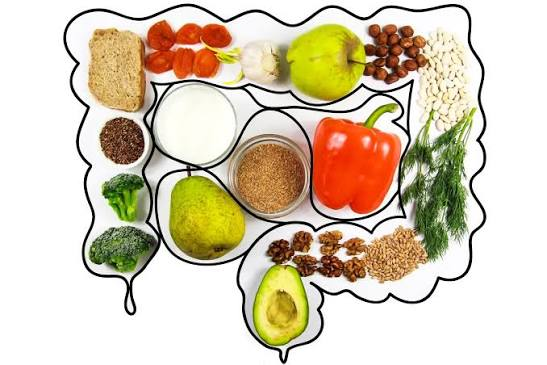
Have you ever noticed “butterflies” in your stomach before an important event? That’s because your digestive system and brain communicate continuously through what’s often called the gut-brain connection. When stress levels increase, digestion may temporarily slow down or change as your body focuses its energy on responding to the perceived challenge. As a result, some people experience:
- Stomach discomfort
- Changes in appetite
- Bloating
- Nausea
- Indigestion
- Changes in bowel habits
Interestingly, stress affects everyone differently. Some individuals lose their appetite completely, while others crave comfort foods that are high in sugar, salt, or fat. Stress may also encourage eating quickly or skipping meals altogether, both of which can contribute to digestive discomfort. Supporting digestive health during stressful periods may include:
- Eating regular, balanced meals
- Staying hydrated
- Eating slowly
- Including fiber-rich foods
- Limiting excessive caffeine
- Taking time to relax before meals
A healthy digestive system depends not only on what you eat but also on how your body responds to everyday stress.
Stress and Your Immune System

Your immune system works around the clock to protect your body from bacteria, viruses, and other harmful microorganisms. During short periods of stress, the immune system may temporarily become more active as part of your body’s natural defense response. However, chronic stress is different.
When stress continues for weeks or months without adequate recovery, your body’s resources remain focused on managing stress hormones. Over time, this may influence how efficiently your immune system functions. Some people notice that they seem to catch common illnesses more easily during particularly stressful periods or feel that recovery takes longer than usual.
While many factors influence immune health, consistently supporting your body through healthy habits can make a positive difference. These include:
- Getting enough sleep
- Eating a balanced diet
- Exercising regularly
- Staying hydrated
- Managing stress
- Taking time to rest
Supporting your immune system isn’t about finding a quick solution—it’s about creating daily habits that allow your body to function at its best.
Stress and Skin Health

Your skin often reflects what’s happening inside your body. During stressful periods, many people notice changes such as:
- Acne breakouts
- Increased oiliness
- Dryness
- Skin sensitivity
- Redness
- Itching
- Slower healing of minor blemishes
Stress doesn’t directly cause every skin condition, but it can influence the body’s inflammatory responses and encourage habits that affect skin health. For example, when you’re stressed, you may:
- Sleep less
- Drink less water
- Eat more processed foods
- Forget your skincare routine
- Touch your face more frequently
These behaviors may contribute to changes in your skin’s appearance. Taking care of your skin during stressful periods involves more than using skincare products. Quality sleep, hydration, balanced nutrition, stress management, and gentle skincare routines all work together to support healthier-looking skin. Healthy skin often begins with caring for your overall well-being.
Stress and Relationships

Stress doesn’t only affect the person experiencing it, it can also influence relationships with family, friends, coworkers, and partners. When you’re under prolonged stress, you may have less emotional energy available for communication, patience, and connection. You might notice yourself becoming:
- Easily irritated
- Less patient
- Emotionally distant
- More argumentative
- Less interested in social activities
- Less able to listen attentively
These changes don’t necessarily reflect how you feel about the people around you. Often, they’re signs that your emotional resources are running low. Healthy relationships can also become one of the strongest protective factors against stress. Talking openly with trusted friends or family members may help you feel supported and understood. Spending time with people who encourage you, make you laugh, or simply listen without judgment can reduce feelings of isolation during difficult periods.
Maintaining healthy communication, setting realistic expectations, and making time for meaningful connections are all valuable parts of managing stress. Remember that asking for support is not a sign of weakness, it’s a healthy and practical way to care for your emotional well-being.
Looking Ahead
Stress influences nearly every part of your body, from your brain and heart to your skin, digestion, immune system, and relationships. While occasional stress is a normal part of life, ongoing stress reminds us of the importance of recovery, self-care, and healthy daily habits.
The encouraging news is that small changes can make a meaningful difference. In the next section of this guide, you’ll discover 25 science-backed ways to reduce stress naturally, including breathing techniques, mindfulness, exercise, nutrition, journaling, digital detox strategies, and simple habits that can help you feel calmer and more resilient every day.
25 Science-Backed Ways to Reduce Stress Naturally

Stress is an unavoidable part of life, but how you respond to it can make a significant difference to your overall well-being. While it’s impossible to eliminate every stressful situation, research suggests that certain healthy habits can help your body recover more efficiently and build resilience over time.
The goal isn’t to avoid stress completely, it’s to give your mind and body the tools they need to return to a state of balance. Below are 25 practical, science-informed strategies that can help reduce stress naturally and support your mental and physical health.
1. Practice Deep Breathing
When you’re stressed, your breathing often becomes faster and shallower without you even noticing. This can signal to your brain that you’re still in a stressful situation, keeping your body in a heightened state of alertness. Slow, deep breathing activates your body’s relaxation response and encourages a slower heart rate. One simple method is the 4-4-6 technique:
- Inhale slowly through your nose for 4 seconds.
- Hold your breath for 4 seconds.
- Exhale gently through your mouth for 6 seconds.
Repeat this cycle for three to five minutes. Many people find it helpful before meetings, exams, or bedtime.4
2. Try Box Breathing
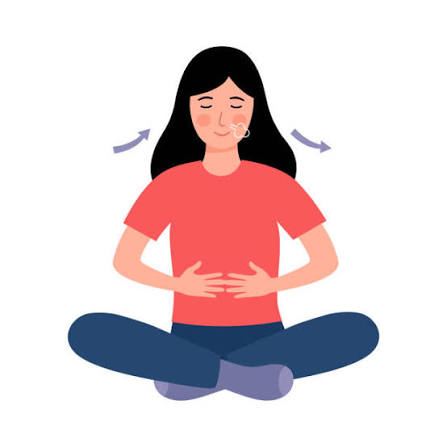
Box breathing is another simple breathing exercise used by many professionals in high-pressure environments. Follow these steps:
- Inhale for 4 seconds.
- Hold for 4 seconds.
- Exhale for 4 seconds.
- Hold again for 4 seconds.
Repeat for several minutes while focusing only on your breathing. This technique can help bring your attention back to the present moment.
3. Practice Mindfulness Meditation

Mindfulness means paying attention to the present moment with openness and without judgment. Instead of worrying about yesterday or tomorrow, mindfulness encourages you to focus on what is happening right now.
You don’t need special equipment or long sessions. Even five to ten minutes of quiet breathing while observing your thoughts without reacting to them can become a valuable part of your daily routine. Over time, regular mindfulness practice may improve emotional awareness, concentration, and resilience to everyday stress.
4. Exercise Regularly
Physical activity is one of the most effective natural ways to manage stress. Movement encourages the release of endorphins, chemicals that are associated with improved mood and a greater sense of well-being. Exercise also provides a healthy outlet for built-up tension. You don’t have to spend hours at the gym. Consider activities such as:
- Brisk walking
- Cycling
- Swimming
- Dancing
- Yoga
- Strength training
Aim for at least 150 minutes of moderate physical activity each week.

5. Spend Time Outdoors
Nature has a calming effect that many people underestimate. Spending time in green spaces may help reduce mental fatigue and encourage relaxation. Whether it’s a walk through a local park, sitting beneath a tree, gardening, or hiking a nearby trail, regular exposure to nature can provide a welcome break from busy daily routines. Try leaving your phone in your pocket and simply notice the sounds, colors, and fresh air around you.
6. Prioritize Quality Sleep
Stress and sleep influence one another. Poor sleep can make stressful situations feel more difficult, while ongoing stress can interfere with healthy sleep. Support better sleep by:
- Going to bed at the same time each night.
- Creating a cool, dark, and quiet bedroom.
- Avoiding heavy meals close to bedtime.
- Limiting screen time during the hour before sleep.
- Developing a relaxing evening routine.
A well-rested mind is often better equipped to handle daily challenges.
7. Eat a Balanced Diet

Your brain depends on a steady supply of nutrients to function well. Although no single food can eliminate stress, eating a balanced diet supports overall health and energy levels. Aim to include:
- Fruits and vegetables
- Whole grains
- Lean proteins
- Healthy fats
- Beans and legumes
- Nuts and seeds
Try to limit highly processed foods, excessive added sugars, and large amounts of caffeine if you notice they increase feelings of tension.
8. Stay Hydrated
Even mild dehydration may contribute to headaches, fatigue, and reduced concentration, which can make stressful situations feel more difficult. Carry a reusable water bottle and drink fluids regularly throughout the day. If plain water feels boring, add slices of lemon, cucumber, or fresh mint for natural flavor.
9. Reduce Your Caffeine Intake
Coffee, tea, and energy drinks can increase alertness, but too much caffeine may leave some people feeling jittery or anxious. If you notice that caffeine worsens your stress, try reducing your intake gradually or switching to herbal tea later in the day.
10. Keep a Journal

Writing down your thoughts can help organize your emotions and reduce mental clutter. You might write about:
- Things you’re grateful for.
- Challenges you’re facing.
- Possible solutions.
- Daily achievements.
- Personal goals.
Journaling doesn’t need perfect grammar or long entries, it simply provides a private space to reflect.
11. Practice Gratitude
Gratitude encourages you to notice positive experiences rather than focusing only on problems. Each evening, write down three things you appreciated that day. They don’t have to be life-changing. Perhaps you enjoyed:
- A good meal.
- A kind conversation.
- A sunny afternoon.
- Completing an important task.
Over time, this habit can help shift your perspective.
12. Listen to Relaxing Music

Music has a powerful influence on mood. Soft instrumental music, nature sounds, or calming playlists may help you unwind after a busy day. Create a personal relaxation playlist for:
- Evening routines
- Reading
- Meditation
- Long drives
- Before sleep
13. Practice Gentle Stretching
Stress often causes muscles to tighten, particularly in the neck, shoulders, and back. Simple stretching or yoga may help relieve physical tension while encouraging relaxation. Spend just ten minutes stretching after work or before bedtime.
14. Laugh More Often
Laughter may temporarily reduce muscle tension and improve mood. Watch a favorite comedy, spend time with friends who make you laugh, or enjoy humorous books or podcasts. Small moments of joy are an important part of emotional well-being.
15. Spend Time With Supportive People
Strong social connections provide emotional support during stressful times. Talking with someone you trust doesn’t always solve the problem, but it may help you feel understood and less alone. Meaningful conversations can remind you that you don’t have to carry every burden by yourself.
16. Learn to Say No
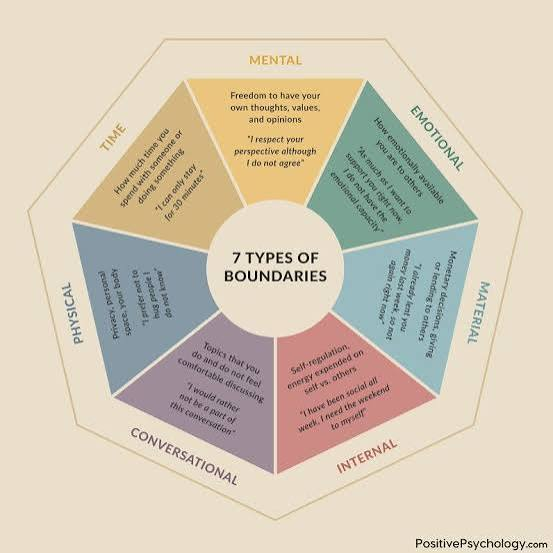
Taking on too many responsibilities can quickly lead to feeling overwhelmed. Setting healthy boundaries means recognizing your limits and protecting your time and energy. Saying “no” respectfully allows you to focus on the commitments that matter most.
17. Limit Screen Time
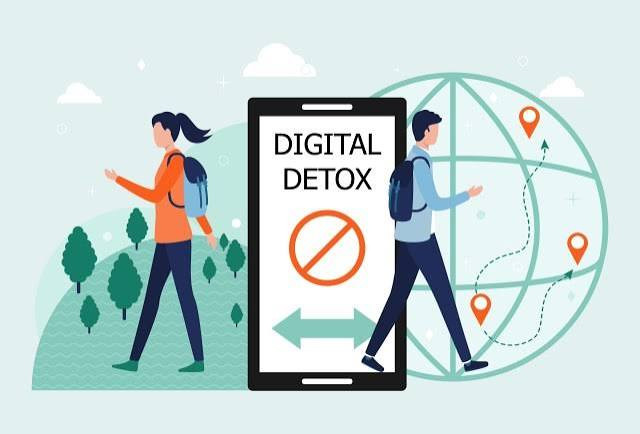
Constant notifications and endless scrolling can make it difficult for your mind to rest. Consider creating technology-free periods during the day, especially before bedtime. Instead of reaching for your phone, try reading, walking, or talking with family.
18. Take Short Breaks
Working continuously for long periods can increase mental fatigue. A five-minute break every hour to stretch, breathe, or walk around may improve focus and reduce stress.
19. Practice Time Management
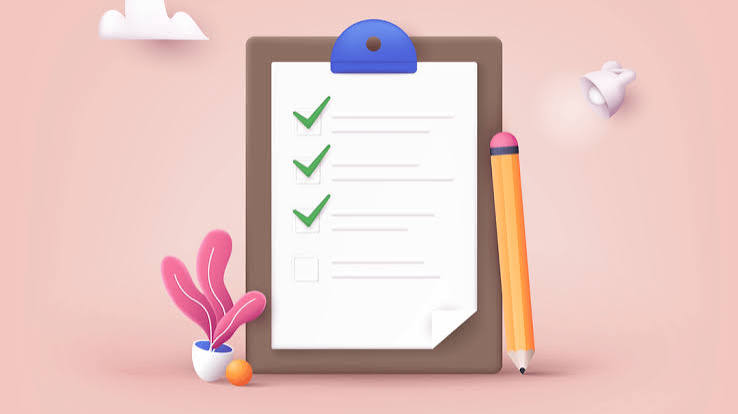
Feeling overwhelmed often comes from trying to do everything at once. Helpful strategies include:
- Prioritizing important tasks.
- Breaking large projects into smaller steps.
- Using a planner.
- Setting realistic deadlines.
- Avoiding unnecessary multitasking.
Small improvements in organization can reduce daily pressure.
20. Create a Relaxing Evening Routine
A calming bedtime routine signals to your brain that it’s time to unwind. You might include:
- Reading
- Gentle stretching
- Herbal tea
- Meditation
- Soft music
- Dimming the lights
Repeating the same routine each night can make relaxation easier over time.
21. Spend Time on a Hobby
Creative activities provide a healthy break from everyday responsibilities. Consider:
- Painting
- Photography
- Gardening
- Baking
- Knitting
- Playing an instrument
- Reading
Hobbies allow your mind to focus on enjoyment rather than stress.
22. Practice Positive Self-Talk
Pay attention to how you speak to yourself. Instead of saying:
“I’ll never manage this.”
Try:
“This is challenging, but I can take it one step at a time.”
Replacing harsh self-criticism with balanced, encouraging thoughts can support emotional resilience.
23. Accept What You Cannot Control
Not every situation can be changed. Learning to focus your energy on what you can control; your actions, attitude, and daily habits may reduce unnecessary worry. Acceptance doesn’t mean giving up. It means directing your energy where it can make the greatest difference.
24. Make Time for Rest

Rest isn’t wasted time. Your body and brain need regular opportunities to recover. Schedule moments of rest just as you schedule work, appointments, or exercise. Even short periods of quiet can help you feel refreshed.
25. Seek Professional Support When Needed
If stress becomes overwhelming, persists for weeks, or significantly affects your work, relationships, sleep, or daily life, consider speaking with a qualified healthcare or mental health professional. Seeking support is a proactive step toward better well-being and can provide personalized strategies for managing stress effectively.
Building Long-Term Resilience

Managing stress isn’t about finding one perfect solution. It’s about developing a collection of healthy habits that work together to support your mind and body. Some days, a walk outdoors may help. On other days, deep breathing, talking with a friend, or simply getting enough sleep may make the biggest difference.
Start small by choosing one or two habits that fit naturally into your routine. As these become part of your daily life, you’ll create a stronger foundation for handling future challenges with greater confidence and calm.
Best Foods for Stress Relief

While no single food can eliminate stress, a balanced diet provides your brain and body with the nutrients they need to function at their best. Eating regularly and choosing nutrient-rich foods can help maintain steady energy levels and support overall well-being during stressful times.
1. Fatty Fish
Fatty fish such as salmon, sardines, trout, and mackerel are rich in omega-3 fatty acids. These healthy fats support normal brain function and play an important role in maintaining overall health. Try including fatty fish in your meals one to two times each week.
2. Leafy Green Vegetables
Spinach, kale, Swiss chard, and other leafy greens provide vitamins, minerals, and antioxidants that support general health. They’re easy to include in salads, soups, smoothies, or stir-fries.
3. Whole Grains
Whole grains provide steady energy throughout the day. Good choices include:
- Oatmeal
- Brown rice
- Quinoa
- Whole wheat bread
- Whole grain pasta
Unlike highly processed carbohydrates, whole grains digest more slowly, helping you feel satisfied for longer.
4. Nuts and Seeds
Almonds, walnuts, pistachios, sunflower seeds, pumpkin seeds, and chia seeds contain healthy fats, fiber, and plant-based protein. A small handful makes an excellent snack between meals.
5. Berries
Blueberries, strawberries, raspberries, and blackberries are rich in antioxidants that help protect your body’s cells from everyday damage. Enjoy them with yogurt, oatmeal, or on their own.
6. Yogurt and Fermented Foods

Foods such as yogurt, kefir, kimchi, sauerkraut, and other fermented products contain beneficial bacteria that support gut health. Because the digestive system and brain communicate closely, maintaining gut health is an important part of overall wellness.
7. Bananas
Bananas provide natural carbohydrates along with potassium and vitamin B6, making them a convenient snack before work, school, or exercise.
8. Avocados
Avocados contain healthy monounsaturated fats, fiber, and several vitamins that support a balanced diet. They can be added to toast, salads, wraps, or smoothies.
9. Herbal Tea
Warm herbal teas such as chamomile, peppermint, lemon balm, or ginger can become part of a relaxing evening routine. Taking time to slowly enjoy a warm drink may also encourage mindfulness and relaxation
10. Dark Chocolate

Dark chocolate with a high cocoa content can be enjoyed in moderation as part of a balanced diet. A small square may satisfy sweet cravings without excessive added sugar.
Foods That May Increase Feelings of Stress
Although everyone’s body responds differently, some foods and beverages may make certain people feel more anxious, restless, or fatigued.
Highly Processed Foods

Foods high in added sugars, refined carbohydrates, and unhealthy fats may contribute to rapid energy changes throughout the day. Examples include:
- Candy
- Sugary breakfast cereals
- Pastries
- Chips
- Fast food
Excess Sugar
Large amounts of sugar can cause quick spikes and drops in blood sugar, leaving you feeling tired or hungry soon afterward. Choose naturally sweet foods like fruit whenever possible.
Too Much Caffeine
Coffee and tea can be part of a healthy lifestyle, but consuming large amounts especially later in the day may increase feelings of nervousness or interfere with sleep for some people.
Energy Drinks
Many energy drinks contain high amounts of caffeine and added sugar. If you rely on energy drinks to get through the day, consider whether improving sleep, hydration, or nutrition might provide more sustainable energy.
Excess Alcohol
Although alcohol may initially feel relaxing, it can disrupt normal sleep patterns and may leave some people feeling less refreshed the following day. Moderation is key.
A Morning Routine for a Less Stressful Day

How you begin your morning often influences the rest of your day. Instead of rushing immediately into emails or social media, consider creating a simple routine that prepares both your body and mind.
Step 1: Wake Up at a Consistent Time
Keeping a regular sleep schedule supports your body’s natural internal clock.
Step 2: Drink Water
Rehydrate after a night’s sleep before reaching for coffee.
Step 3: Stretch for Five Minutes
Gentle stretching helps loosen muscles that may have tightened overnight.
Step 4: Spend Time in Natural Light
Open the curtains or step outside for a few minutes. Morning sunlight helps regulate your circadian rhythm.
Step 5: Eat a Balanced Breakfast
Choose foods that include protein, healthy fats, and fiber to support steady energy. Examples:
- Greek yogurt with berries
- Oatmeal with nuts
- Eggs with whole-grain toast
Step 6: Plan Your Day
Write down three important priorities. Avoid overwhelming yourself with an unrealistic to-do list.
Step 7: Delay Social Media
Give yourself at least 20–30 minutes before checking notifications whenever possible. Starting your day calmly can improve focus and reduce unnecessary stress.
An Evening Routine to Help You Relax

Just as mornings matter, evenings prepare your mind and body for restful sleep.
One to Two Hours Before Bed
- Dim the lights.
- Reduce screen time.
- Finish heavy meals.
- Avoid large amounts of caffeine.
Thirty Minutes Before Bed
Choose relaxing activities such as:
- Reading
- Gentle stretching
- Journaling
- Meditation
- Listening to calming music
Before Sleeping
Keep your bedroom:
- Cool
- Quiet
- Dark
- Comfortable
A consistent bedtime routine teaches your brain that it’s time to unwind.
Common Myths About Stress
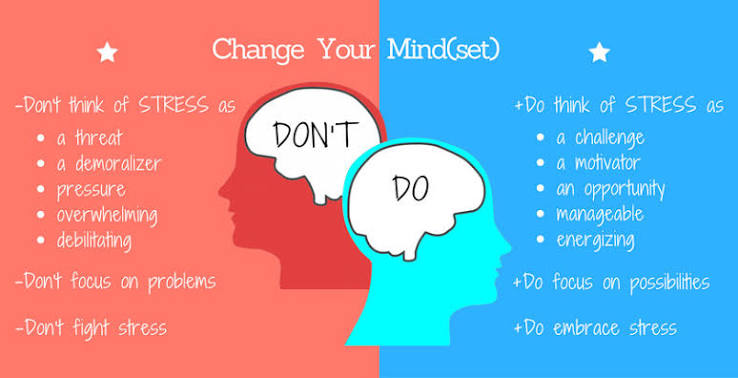
Myth 1: All Stress Is Bad
Fact: Short-term stress can improve focus, motivation, and performance. The concern is ongoing stress without enough recovery.
Myth 2: Busy People Are Always More Productive
Fact: Constant busyness can reduce focus and increase exhaustion. Regular breaks often improve productivity.
Myth 3: You Should Handle Stress Alone
Fact: Talking with supportive friends, family members, or professionals can be an important part of healthy stress management.
Myth 4: Relaxation Is Lazy
Fact: Rest allows your brain and body to recover so you can perform better over time.
Myth 5: Stress Only Affects Mental Health
Fact: Stress also influences sleep, digestion, heart health, immunity, skin, energy levels, and overall physical well-being.
Frequently Asked Questions
How can I reduce stress quickly?
Simple techniques such as deep breathing, taking a short walk, stretching, or talking with someone you trust may help you feel calmer in the moment.
Is stress always harmful?
No. Short-term stress is a normal biological response that helps you react to challenges. Problems arise when stress becomes chronic and recovery is limited.
Can exercise help reduce stress?
Yes. Regular physical activity is associated with improved mood and may help reduce feelings of stress while supporting overall health.
Does sleep affect stress?
Absolutely. Poor sleep can increase stress, while healthy sleep habits support emotional resilience and mental clarity.
When should I seek professional help?
Consider speaking with a healthcare or mental health professional if stress:
- Persists for several weeks.
- Interferes with work or school.
- Affects relationships.
- Disrupts sleep regularly.
- Feels overwhelming or difficult to manage on your own.
Weekly Stress Management Checklist
Use this checklist to build healthier habits throughout the week.
✔ Slept 7–9 hours most nights
✔ Exercised at least 30 minutes
✔ Spent time outdoors
✔ Ate balanced meals
✔ Drank enough water
✔ Practiced deep breathing or meditation
✔ Limited social media
✔ Took regular work breaks
✔ Connected with family or friends
✔ Wrote in a journal
✔ Practiced gratitude
✔ Made time for a hobby
✔ Kept a consistent bedtime
✔ Took at least one relaxing walk
✔ Set healthy boundaries when needed
The goal isn’t perfection. Instead, aim to make gradual improvements each week.
Conclusion
Stress is an unavoidable part of life, but it doesn’t have to control your health or happiness. Understanding how stress affects your body is the first step toward managing it more effectively. By making small, consistent changes—such as prioritizing sleep, eating nourishing foods, staying physically active, practicing mindfulness, and maintaining meaningful relationships—you can build resilience and improve your overall well-being.
Remember that stress management is not about eliminating every challenge or achieving a perfectly calm life. It’s about developing healthy habits that help you respond to life’s ups and downs with greater confidence and balance. Progress happens one day at a time, and every positive choice contributes to a healthier mind and body.
If you find that stress becomes persistent, overwhelming, or begins to interfere with your daily life, reaching out to a qualified healthcare or mental health professional is an important and positive step. Seeking support is a sign of strength and can provide personalized guidance to help you navigate difficult periods By caring for both your physical and emotional health, you create a strong foundation for a calmer, healthier, and more fulfilling life.
You might also like
How to Stop Overthinking: The Complete Guide to Quieting Your Mind Naturally
📋 Table of Contents Part 1: Understanding Overthinking Reduced Productivity Increased Stress Mental Fatigue Poor Sleep…

The Science of Happiness: 25 Daily Habits That Naturally Improve Your Mood
📋 Table of Contents What does it truly mean to be happy? Emotional Happiness Life Satisfaction…

Mental Fatigue: Why Your Brain Feels Exhausted (Even When You’re Not Physically Tired)
📋 Table of Contents Introduction Cognitive Symptoms Emotional Symptoms Physical Symptoms Behavioral Symptoms 1. Fatty Fish…