
The Ultimate Guide to Mental Wellness: How to Build a Healthier, Happier Mind Every Day

📋 Table of Contents
- Sleep
- Nutrition
- Physical Activity
- Relationships
- Work-Life Balance
- Environment
- 1. Start Your Day Without Checking Your Phone Immediately
- 2. Get Enough Sleep
- 3. Move Your Body
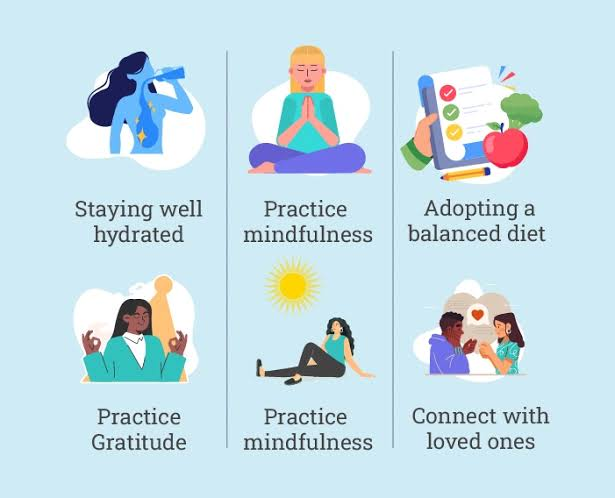
- 4. Eat Nourishing Foods
- 5. Practice Gratitude
- 6. Stay Hydrated
- 7. Spend Time in Nature
- 8. Connect with Others
- 9. Set Healthy Boundaries
- 10. Practice Mindfulness
- 11. Limit Negative News Consumption
- 12. Make Time for Hobbies
- 13. Celebrate Small Wins
- 14. Be Kind to Yourself
- 15. Ask for Help When Needed
- Myth: Mentally healthy people never feel stressed.
- Myth: Self-care is selfish.
- Myth: Mental wellness only matters during difficult times.
Mental wellness is one of the most valuable investments you can make in your overall health. While people often focus on eating nutritious foods, exercising regularly, or improving their physical fitness, mental well-being deserves the same level of attention. A healthy mind influences how you think, feel, communicate, solve problems, manage stress, and enjoy everyday life.
In today’s fast-paced world, it’s easy to feel overwhelmed. Constant notifications, busy schedules, work deadlines, financial pressures, family responsibilities, and endless streams of information can leave little time to slow down and care for your emotional well-being. Over time, these daily pressures can affect your energy, relationships, motivation, and overall quality of life.
The good news is that mental wellness isn’t something you’re simply born with, it’s something you can nurture every day. Small, consistent habits such as getting enough sleep, staying physically active, practicing gratitude, setting healthy boundaries, and making time for meaningful relationships can have a lasting impact on how you feel.
This guide explores what mental wellness really means, why it matters, and practical ways to strengthen your emotional resilience and create a healthier, more balanced life.
What Is Mental Wellness?

Mental wellness refers to your emotional, psychological, and social well-being. It affects how you think, process emotions, make decisions, and respond to life’s challenges.
Being mentally well doesn’t mean feeling happy every minute or never experiencing stress, sadness, or frustration. These emotions are a normal part of life. Instead, mental wellness is about developing the ability to cope with difficult situations, recover from setbacks, and continue moving forward with purpose.
Someone with strong mental wellness may still have difficult days, but they often have healthy strategies for managing emotions, seeking support when needed, and maintaining perspective. Mental wellness is not a destination, it is an ongoing practice that evolves throughout different stages of life.
Why Mental Wellness Matters

Your mind and body are deeply connected. When your mental well-being is supported, it becomes easier to maintain healthy habits, stay productive, build stronger relationships, and enjoy life. Mental wellness contributes to:
- Better emotional balance
- Clearer thinking
- Improved concentration
- Healthier relationships
- Increased confidence
- Better sleep quality
- More energy throughout the day
- Stronger resilience during stressful situations
- Improved decision-making
- Greater overall life satisfaction
Looking after your mental wellness is not a luxury, it’s an essential part of maintaining your overall health.
The Connection Between Mental and Physical Health

Your emotional well-being and physical health influence each other in many ways. For example, when you’re under prolonged stress, you may notice:
- Difficulty sleeping
- Muscle tension
- Headaches
- Fatigue
- Changes in appetite
- Digestive discomfort
- Lower motivation to exercise
Likewise, taking care of your physical health through regular movement, balanced nutrition, and quality sleep can positively influence your mood and emotional resilience. Rather than viewing mental and physical health separately, think of them as two parts of the same wellness journey.
Signs Your Mental Wellness May Need More Attention
Everyone experiences stress from time to time. However, if you regularly notice the following signs, it may be helpful to make mental wellness a greater priority:
- Feeling overwhelmed by everyday responsibilities
- Constant worry or racing thoughts
- Difficulty concentrating
- Low motivation
- Irritability
- Trouble sleeping
- Persistent fatigue
- Feeling disconnected from others
- Loss of interest in hobbies
- Difficulty relaxing
- Frequent self-criticism
These signs don’t necessarily indicate a mental health condition, but they can suggest that your mind needs additional care and recovery. If these experiences become severe, long-lasting, or interfere with daily life, reaching out to a qualified healthcare or mental health professional is an important step.
What Influences Mental Wellness?

Mental wellness is shaped by many different factors, including:
Sleep
Quality sleep helps regulate emotions, improve concentration, and support overall brain function.
Nutrition
A balanced diet provides nutrients that support brain health and energy production.
Physical Activity
Regular movement has been associated with improved mood and reduced stress.
Relationships
Supportive friendships and family connections can provide comfort during difficult times.
Work-Life Balance
Making time for rest and enjoyable activities is just as important as meeting responsibilities.
Environment
Natural light, clean surroundings, and access to green spaces can positively influence well-being. Understanding these influences helps you identify areas where small improvements can make a meaningful difference.
The Science Behind Mental Wellness

Your brain is constantly adapting to your experiences, habits, and environment through a process called neuroplasticity. This means the brain can form new connections and strengthen helpful patterns over time. Practicing healthy habits consistently such as mindfulness, exercise, gratitude, or learning new skills can reinforce positive routines that support emotional well-being. Although no single habit guarantees happiness, regular self-care can help create a strong foundation for long-term mental wellness.
15 Daily Habits That Support Mental Wellness
1. Start Your Day Without Checking Your Phone Immediately
Instead of reaching for social media or emails the moment you wake up, give yourself a few quiet minutes to stretch, breathe, or enjoy a healthy breakfast.
2. Get Enough Sleep
Adults generally benefit from 7–9 hours of quality sleep each night.
3. Move Your Body
Walking, cycling, yoga, dancing, or strength training all contribute to overall wellness.

4. Eat Nourishing Foods
Include fruits, vegetables, whole grains, healthy fats, and lean proteins in your meals.

5. Practice Gratitude
Writing down a few things you appreciate each day may help shift your attention toward positive experiences.
6. Stay Hydrated
Drinking enough water supports both physical and mental performance.
7. Spend Time in Nature
A walk through a park or simply sitting outdoors can provide a refreshing mental break.
8. Connect with Others
Meaningful conversations help strengthen emotional support and reduce feelings of isolation.
9. Set Healthy Boundaries
Protect your time and energy by learning when it’s okay to say no.
10. Practice Mindfulness
Pay attention to the present moment without judging your thoughts or feelings.

11. Limit Negative News Consumption
Stay informed, but avoid constantly consuming distressing information.
12. Make Time for Hobbies
Creative activities can help reduce stress and improve overall satisfaction.
13. Celebrate Small Wins
Recognize your daily achievements, no matter how small they seem.
14. Be Kind to Yourself
Replace harsh self-criticism with supportive and realistic self-talk.
15. Ask for Help When Needed
Seeking support from trusted friends or qualified professionals is a healthy step when you’re struggling.
Common Myths About Mental Wellness
Myth: Mentally healthy people never feel stressed.
Fact: Stress is a normal part of life. Mental wellness is about responding to stress in healthy ways.
Myth: Self-care is selfish.
Fact: Taking care of yourself helps you show up more effectively for others.
Myth: Mental wellness only matters during difficult times.
Fact: Building healthy habits before challenges arise can improve resilience over time.
Key Takeaways
- Mental wellness is an essential part of overall health.
- Small daily habits often have the greatest long-term impact.
- Prioritize sleep, nutrition, exercise, meaningful relationships, and stress management.
- Mental wellness is about balance, not perfection.
- Seeking support is a positive and proactive step when needed.

Conclusion
Mental wellness is not about eliminating every challenge or maintaining a constant state of happiness. It’s about developing healthy habits, building resilience, and creating a lifestyle that supports your emotional well-being. Every positive choice, whether it’s taking a walk, getting enough sleep, talking with a friend, or practicing gratitude contributes to a healthier, happier mind.
Remember that progress doesn’t happen overnight. Be patient with yourself, celebrate small improvements, and focus on consistency rather than perfection. Over time, these everyday actions can strengthen your mental wellness and help you enjoy a more balanced, fulfilling life.
You might also like

How to Stop Overthinking: The Complete Guide to Quieting Your Mind Naturally
📋 Table of Contents Part 1: Understanding Overthinking Reduced Productivity Increased Stress Mental Fatigue Poor Sleep…

The Science of Happiness: 25 Daily Habits That Naturally Improve Your Mood
📋 Table of Contents What does it truly mean to be happy? Emotional Happiness Life Satisfaction…

Mental Fatigue: Why Your Brain Feels Exhausted (Even When You’re Not Physically Tired)
📋 Table of Contents Introduction Cognitive Symptoms Emotional Symptoms Physical Symptoms Behavioral Symptoms 1. Fatty Fish…