
The Truth About Detox Diets: Do They Really Work?
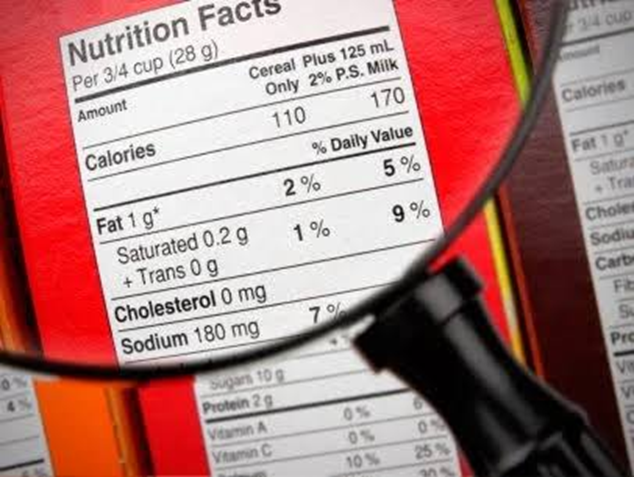
Separating Science from Marketing Hype
“Detox in 3 days.”
“Flush toxins naturally.”
“Lose 10 pounds in a week.”
You’ve probably seen these promises everywhere—from social media influencers to celebrity-endorsed juice cleanses and detox teas. The detox industry has become a multi-billion-dollar market, convincing millions of people that their bodies are filled with harmful toxins that can only be removed through expensive products, restrictive diets, or fasting programs.
But here’s the question:
Do detox diets actually work?
The short answer is not in the way they’re commonly advertised.
The human body already has an incredibly sophisticated detoxification system that works 24 hours a day. Your liver, kidneys, lungs, digestive system, and skin continuously remove waste products and harmful substances without the need for expensive detox drinks or extreme diets.
In this comprehensive guide, we’ll examine what detox diets really are, what science says about them, their potential risks, and the healthiest ways to support your body’s natural detox process.
What Is a Detox Diet?
A detox diet is an eating plan that claims to remove toxins from the body while promoting rapid weight loss and improved health.
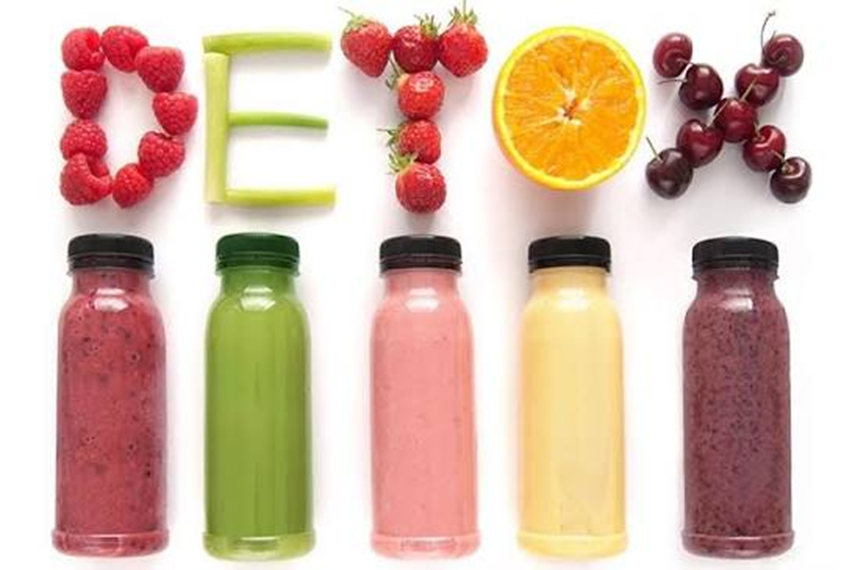
These diets often involve:
- Drinking only fruit or vegetable juices
- Consuming detox teas
- Fasting for several days
- Eliminating entire food groups
- Taking herbal supplements
- Drinking large amounts of lemon water
- Eating only raw foods
- Following extremely low-calorie meal plans
While these programs vary, they all share one common promise: to cleanse your body of toxins.
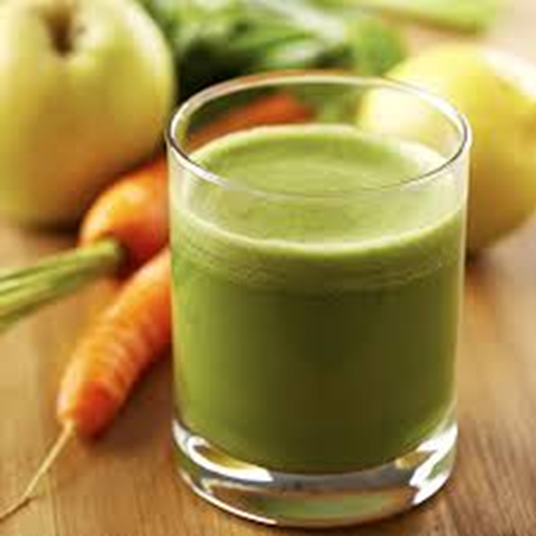
What Are “Toxins”?
One of the biggest problems with many detox products is that they rarely define what they mean by “toxins.” In medical science, toxins may include:
- Alcohol
- Certain medications
- Air pollution
- Heavy metals
- Harmful bacteria
- Environmental chemicals
However, most detox diets never identify which toxins they’re removing or provide evidence that these substances are actually accumulating in healthy people.
Your Body Already Has a Natural Detox System
One of the biggest myths surrounding detox diets is the idea that your body needs help eliminating toxins. In reality, several organs work together continuously to remove waste.
1. Your Liver
The liver is your body’s primary detoxification organ.
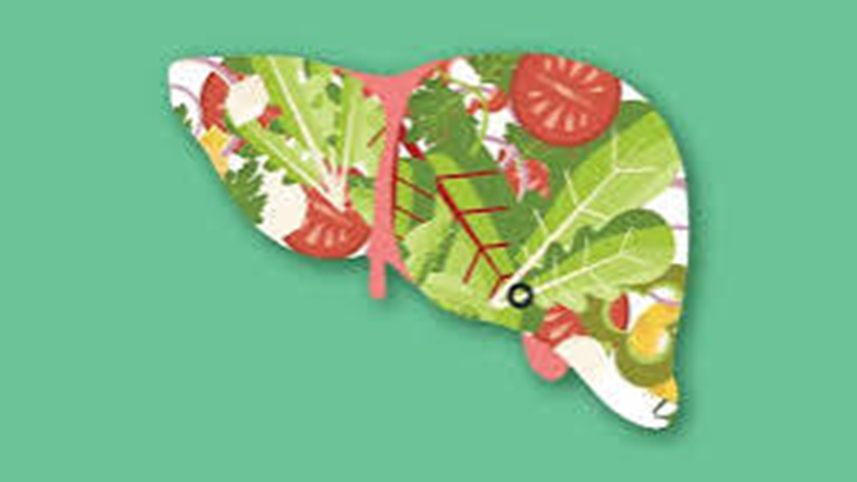
It:
- Breaks down alcohol
- Processes medications
- Neutralizes harmful chemicals
- Converts toxins into waste products
- Produces bile to help remove waste
Your liver performs hundreds of essential functions every day without requiring a juice cleanse.
2. Your Kidneys
Your kidneys filter approximately 50 gallons (about 190 liters) of blood every day. They remove:
- Excess water
- Waste products
- Extra minerals
- Metabolic byproducts
These substances leave your body through urine.
3. Your Digestive System
Your intestines help eliminate waste through bowel movements while your gut microbiome supports digestion and overall health.
Eating enough fiber helps this system work efficiently.
4. Your Lungs
Every time you exhale, your lungs remove carbon dioxide, one of your body’s waste products.
5. Your Skin
Sweat helps regulate body temperature. Although very small amounts of certain substances leave through sweat, your liver and kidneys remain the body’s primary detoxification organs.
Why Do People Feel Better After a Detox?

Many people report feeling healthier after completing a detox program.
Why?
The improvement often comes from what they stopped consuming, not from the detox itself. For example, many detox plans eliminate:
- Fast food
- Alcohol
- Sugary drinks
- Candy
- Processed snacks
- Excess calories
Replacing these foods with fruits, vegetables, and water naturally makes many people feel better.
Common Types of Detox Diets
Juice Cleanses
These involve drinking only fruit and vegetable juices for several days.
Claims
- Removes toxins
- Boosts immunity
- Improves digestion
- Promotes weight loss
Reality
Juices often lack:
- Protein
- Healthy fats
- Fiber
Without these nutrients, you may feel hungry, tired, and lose muscle mass.
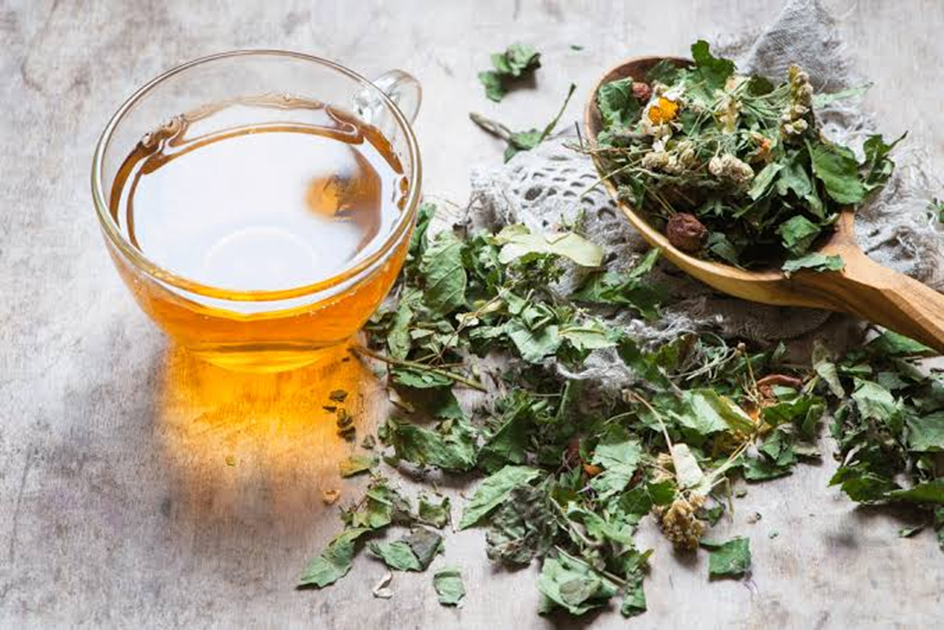
Detox Teas
Many detox teas contain herbal laxatives.
They May Cause
- Frequent bowel movements
- Temporary water loss
- Dehydration
- Stomach cramps
This is not the same as removing toxins or body fat.
Water Fasts
Some detox programs recommend consuming only water. Extended fasting may lead to:
- Fatigue
- Dizziness
- Low blood sugar
- Muscle loss
- Nutrient deficiencies
Medical supervision is recommended for prolonged fasting.
Lemon Water Detoxes
Lemon water is refreshing and can contribute to hydration, but there is no scientific evidence that it detoxifies the body. That doesn’t mean it’s unhealthy; it simply isn’t a magical cleanser.
Do Detox Diets Help You Lose Weight?
Many detox programs lead to rapid weight loss during the first few days. However, much of this loss comes from:
- Water
- Glycogen stores
- Digestive contents
Once normal eating resumes, the lost weight often returns. Long-term weight management depends on:
- Balanced nutrition
- Regular physical activity
- Sustainable eating habits
Potential Risks of Detox Diets
While short-term detox plans may seem harmless, some can carry health risks. Possible concerns include:
- Nutrient deficiencies
- Low energy
- Muscle loss
- Dehydration
- Electrolyte imbalance
- Poor concentration
- Irritability
- Digestive discomfort
People with diabetes, kidney disease, eating disorders, or other medical conditions should avoid restrictive detox programs unless advised by a healthcare professional.
Foods That Naturally Support Detoxification
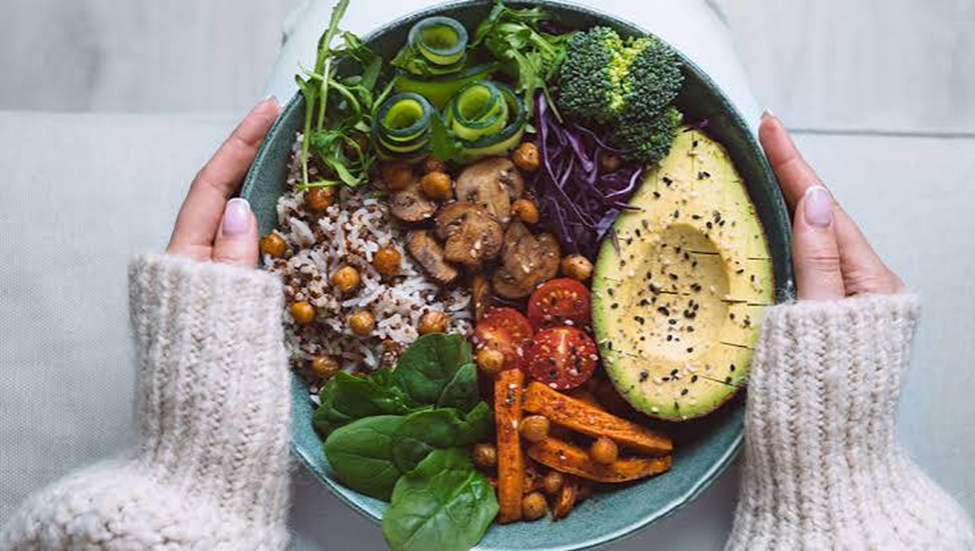
Instead of restrictive cleanses, focus on nourishing the organs that already detoxify your body.
1. Cruciferous Vegetables

Examples:
- Broccoli
- Brussels sprouts
- Cabbage
- Cauliflower
These vegetables contain compounds that support normal liver function.
2. Leafy Greens
Spinach, kale, and Swiss chard provide vitamins, minerals, and antioxidants.
3. Garlic
Garlic contains sulfur compounds that help support normal liver enzyme activity.
4. Berries
Blueberries, strawberries, and raspberries are rich in antioxidants that help protect cells from oxidative stress.
5. Citrus Fruits
Oranges, lemons, and grapefruit provide Vitamin C, an important antioxidant.
6. Whole Grains
Oats, brown rice, quinoa, and whole wheat provide fiber that supports digestive health.
7. Healthy Fats
Choose:
- Avocados
- Olive oil
- Nuts
- Seeds
Healthy fats support nutrient absorption and overall health.
8. Water
Proper hydration supports kidney function and helps your body eliminate waste naturally.
Healthy Habits That Support Your Body’s Natural Detox System
Rather than following extreme detox programs, focus on daily habits that keep your body’s natural detoxification systems working efficiently.

Drink Enough Water
Hydration supports your kidneys and digestive system.
Eat Plenty of Fiber
Fiber promotes healthy digestion and regular bowel movements. Aim for fruits, vegetables, legumes, and whole grains.
Exercise Regularly
Physical activity improves circulation, supports metabolism, and contributes to overall wellness.
Get Enough Sleep
During sleep, your body performs essential repair and maintenance processes. Adults should aim for 7–9 hours each night.
Limit Alcohol
Excessive alcohol places additional stress on the liver.
Avoid Smoking
Smoking introduces harmful chemicals that increase oxidative stress throughout the body.
Reduce Highly Processed Foods
Choose whole, minimally processed foods more often.
Common Detox Myths
Myth: Detox diets remove toxins.
Fact: In healthy individuals, the liver and kidneys already perform this function continuously.
Myth: Detox teas burn fat.
Fact: Most detox teas primarily cause temporary water loss rather than fat loss.
Myth: Juice cleanses improve health dramatically.
Fact: While fruits and vegetables are nutritious, relying only on juice may leave you short on protein, healthy fats, and fiber.
Myth: Everyone needs a detox.
Fact: Most healthy people do not need a special detox diet because the body naturally detoxifies itself.
Sample One-Day “Natural Detox” Meal Plan

Breakfast
Oatmeal topped with blueberries, walnuts, and chia seeds.
Morning Snack
Apple with almond butter.
Lunch
Grilled salmon, broccoli, quinoa, and spinach salad.
Afternoon Snack
Greek yogurt with mixed berries.
Dinner
Roasted vegetables with grilled chicken and brown rice.
Drinks
Water, herbal tea, or sparkling water without added sugar.
Frequently Asked Questions
Do detox diets remove toxins?
There is little scientific evidence that commercial detox diets remove toxins from healthy individuals. Your liver, kidneys, lungs, and digestive system already perform this function naturally.
Is lemon water a detox drink?
Lemon water is a healthy way to stay hydrated and provides some Vitamin C, but it does not “flush toxins” from the body.
Are detox teas safe?
Some detox teas contain herbal laxatives that can cause dehydration or digestive discomfort if overused. It’s best to approach them with caution.
What’s the healthiest way to detox?
Support your body’s natural detoxification system by eating a balanced diet, staying hydrated, exercising regularly, sleeping well, and limiting alcohol and processed foods.
Final Thoughts
Detox diets often promise quick fixes, but good health rarely comes from extreme restrictions or miracle products.
Your body is already equipped with an extraordinary detoxification system that works every minute of every day. Rather than spending money on expensive cleanses or teas, focus on nourishing the organs that naturally keep you healthy.
A diet rich in fruits, vegetables, whole grains, lean proteins, healthy fats, and plenty of water provides your body with the nutrients it needs to function at its best.
The most effective “detox” isn’t a three-day cleanse; it’s a lifetime of healthy habits.
At Everyday Wellness, we believe that sustainable nutrition, regular exercise, quality sleep, and balanced living are the true foundations of lasting health.
Key Takeaways
- Your liver, kidneys, lungs, and digestive system naturally remove waste and harmful substances.
- Most detox diets lack strong scientific evidence and may lead to temporary water loss rather than true detoxification.
- Whole foods, fiber, hydration, and healthy lifestyle habits are the best ways to support your body’s natural detox process.
- Be cautious of products that promise rapid detoxification or dramatic weight loss without evidence.
Long-term wellness comes from consistent healthy habits—not short-term c
You might also like
Ultra-Processed Foods Explained: Should You Really Avoid Them?
📋 Table of Contents 1. Unprocessed or Minimally Processed Foods 2. Processed Culinary Ingredients 3. Processed…
What Happens to Your Body When You Quit Added Sugar for 30 Days? A Science-Backed Guide
📋 Table of Contents Natural Sugars Added Sugars Blood Sugar Fluctuations Habits Emotional Eating Food Environment…

Foods That Naturally Improve Brain Function
Feed Your Brain the Nutrients It Needs to Think, Learn, and Thrive Your brain is the…