
Retinol for Beginners: Benefits, Side Effects, and How to Use It Safely
📋 Table of Contents
- What Is Retinol?
- How Does Retinol Work?
- Benefits of Retinol
- Helps Reduce Fine Lines
- Improves Skin Texture
- Helps Manage Acne
- Fades Dark Spots
- Supports Healthy Skin Renewal
- Who Should Consider Retinol?
- How to Start Using Retinol
- Step 1: Cleanse
- Step 2: Wait a Few Minutes
- Step 3: Apply a Small Amount
- Step 4: Moisturize
- Step 5: Use Sunscreen Every Morning
- How Often Should Beginners Use Retinol?
- Common Side Effects
- Tips to Reduce Irritation
- Ingredients That Pair Well With Retinol
- Common Mistakes Beginners Make
- Frequently Asked Questions
- At what age should you start using retinol?
- Can I use retinol every night?
- How long does retinol take to work?
- Can I use retinol during the day?
- Conclusion
If you’ve researched anti-aging skincare or acne treatments, you’ve probably come across retinol. It’s one of the most recommended skincare ingredients because of its ability to improve skin texture, reduce fine lines, minimize breakouts, and promote a brighter complexion. However, many beginners feel intimidated by retinol because they worry about irritation or don’t know how to use it correctly.
The good news is that retinol can be a valuable addition to your skincare routine when introduced gradually and used consistently. This guide explains what retinol is, how it works, its benefits, possible side effects, and simple tips to help beginners use it safely.
What Is Retinol?
Retinol is a form of vitamin A commonly used in skincare products. It helps speed up skin cell turnover, meaning old skin cells are replaced with new ones more efficiently. This process can improve skin texture, support collagen production, and reduce the appearance of fine lines and uneven skin tone.
Retinol is available in many over-the-counter creams and serums, while stronger vitamin A derivatives may require a prescription.
How Does Retinol Work?
As we age, our skin naturally renews itself more slowly. Retinol encourages faster cell turnover and stimulates collagen production, helping the skin appear smoother and healthier over time. Regular use may help:
- Reduce the appearance of fine lines
- Improve uneven skin texture
- Fade post-acne marks
- Brighten dull skin
- Keep pores clearer
- Improve overall skin tone
Results develop gradually, so patience and consistency are important.
Benefits of Retinol
Helps Reduce Fine Lines
Retinol supports collagen production, which helps maintain firmer-looking skin and softens the appearance of fine lines over time.
Improves Skin Texture
By encouraging new skin cells to surface, retinol can make rough skin feel smoother and look more even.
Helps Manage Acne
Retinol helps prevent clogged pores, making it a useful ingredient for many people with acne-prone skin.
Fades Dark Spots
Regular use may help reduce the appearance of post-inflammatory marks and uneven pigmentation.
Supports Healthy Skin Renewal
Skin naturally renews itself every day, and retinol helps support this process for a fresher-looking complexion.
Who Should Consider Retinol?
Retinol may be suitable for adults who want to:
- Improve signs of aging
- Reduce acne breakouts
- Smooth rough skin texture
- Minimize the appearance of pores
- Even out skin tone
If you have very sensitive skin or an existing skin condition, consult a dermatologist before adding retinol to your routine.
How to Start Using Retinol

If you’re new to retinol, begin slowly to give your skin time to adjust.
Step 1: Cleanse
Wash your face with a gentle cleanser and pat your skin dry.
Step 2: Wait a Few Minutes
Allow your skin to dry completely before applying retinol. Applying it to damp skin may increase irritation for some people.
Step 3: Apply a Small Amount
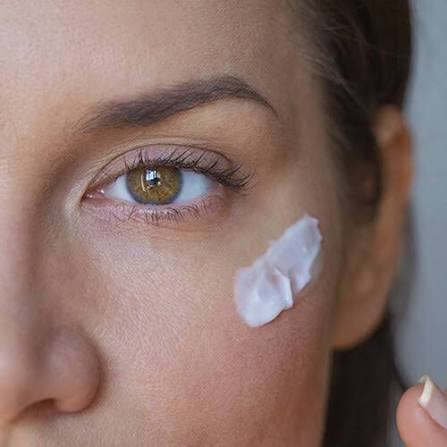
Use a pea-sized amount for your entire face. Avoid the eyes, lips, and corners of the nose unless the product instructions state otherwise.
Step 4: Moisturize
Apply a gentle moisturizer afterward to help reduce dryness and support your skin barrier.
Step 5: Use Sunscreen Every Morning
Retinol can make your skin more sensitive to sunlight, so apply a broad-spectrum sunscreen with SPF 30 or higher every day.
How Often Should Beginners Use Retinol?
A gradual approach is often recommended.
Week 1–2
- Use retinol once or twice a week.
Week 3–4
- If your skin is tolerating it well, increase to two or three nights per week.
After One Month
- You may gradually increase frequency if needed and if your skin remains comfortable.
Everyone’s skin is different, so adjust based on how your skin responds.
Common Side Effects
Some people experience mild irritation when starting retinol. Possible side effects include:
- Dryness
- Mild redness
- Flaking
- Temporary sensitivity
- Tight feeling
These effects often improve as the skin adapts. If irritation is severe or persistent, stop using the product and seek advice from a healthcare professional.
Tips to Reduce Irritation
- Start with a low-strength retinol.
- Use a moisturizer after applying retinol.
- Avoid over-exfoliating.
- Introduce only one new active ingredient at a time.
- Wear sunscreen every day.
- Be patient and consistent.
Ingredients That Pair Well With Retinol
Many people combine retinol with hydrating ingredients to support the skin barrier. Helpful ingredients include:
- Hyaluronic acid
- Ceramides
- Glycerin
- Niacinamide
- Squalane
These ingredients can help maintain hydration and reduce dryness.
Common Mistakes Beginners Make
Avoid these common errors:
- Using too much retinol
- Applying it every night immediately
- Skipping moisturizer
- Forgetting sunscreen
- Expecting overnight results
- Mixing multiple strong active ingredients without guidance
Keeping your routine simple can help your skin adjust more comfortably.
Frequently Asked Questions
At what age should you start using retinol?
There isn’t a specific age. Some adults use retinol to help manage acne, while others begin using it for healthy aging concerns. The right time depends on your skin goals and individual needs.
Can I use retinol every night?
Many beginners start by using retinol only a few nights each week and increase gradually if their skin tolerates it.
How long does retinol take to work?
Some people notice improvements in skin texture after several weeks, while other benefits, such as improvements in fine lines or dark spots, may take several months of consistent use.
Can I use retinol during the day?
Retinol is generally applied at night because sunlight can reduce its effectiveness and it may increase your skin’s sensitivity to UV exposure.
Conclusion
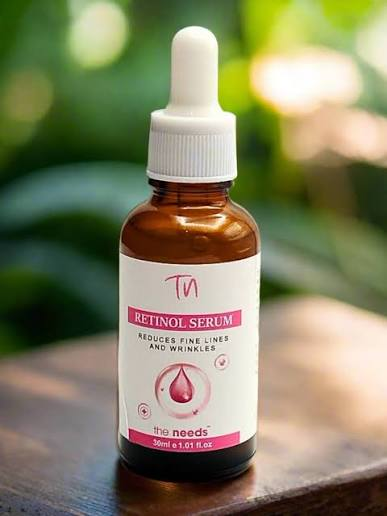
Retinol is one of the most well-studied skincare ingredients for improving skin texture, supporting collagen production, and reducing the appearance of acne and fine lines. For beginners, the key is to start slowly, use a gentle moisturizer, and wear sunscreen every day. With patience and a consistent routine, retinol can become a valuable part of a healthy skincare regimen.
You might also like

How to Get Glowing Skin Naturally: 25 Science-Backed Tips
📋 Table of Contents What Does “Glowing Skin” Actually Mean? 1. Wear Sunscreen Every Day 2.…
Ceramides Explained: Why Your Skin Barrier Loves Them
📋 Table of Contents 1. Lock in Moisture 2. Reduce Transepidermal Water Loss (TEWL) 3. Protect…
Vitamin C for Skin: Benefits, How to Use It, and Common Mistakes
📋 Table of Contents What Is Vitamin C? Benefits of Vitamin C for Skin 1. Brightens…