
Hyaluronic Acid for Skin: Complete Beginner’s Guide

📋 Table of Contents
- 1. Provides Deep Hydration
- 2. Makes Skin Look Plumper
- 3. Supports the Skin Barrier
- 4. Works for Most Skin Types
- 5. Layers Well with Other Ingredients
- Step 1: Cleanse
- Step 2: Apply to Slightly Damp Skin
- Step 3: Moisturize
- Step 4: Apply Sunscreen (Morning)
- Is hyaluronic acid safe for sensitive skin?
- Can oily skin use hyaluronic acid?
- Can I use hyaluronic acid with retinol?
- At what age should I start using hyaluronic acid?
If you’ve ever searched for the best skincare ingredients for hydration, you’ve probably come across hyaluronic acid. It’s one of the most popular ingredients in modern skincare; and for good reason. Hyaluronic acid helps attract and retain moisture, making skin look plumper, smoother, and healthier.
Despite its name, hyaluronic acid is not a harsh exfoliating acid. Instead, it’s a naturally occurring substance found in your skin, eyes, and connective tissues. Its main role is to hold onto water, keeping your skin hydrated and comfortable.
Whether you’re a skincare beginner or looking to improve your routine, this guide explains everything you need to know about hyaluronic acid.
What Is Hyaluronic Acid?
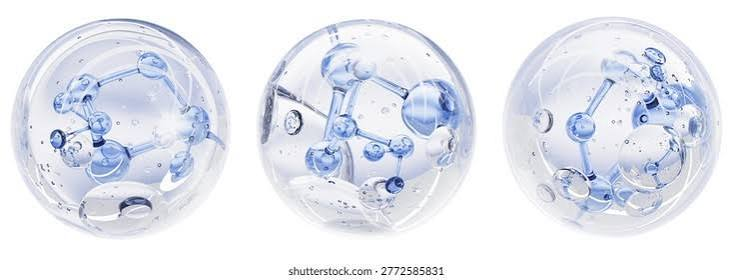
Hyaluronic acid (HA) is a sugar molecule naturally produced by the body. It acts like a sponge, attracting and holding large amounts of water. In healthy skin, hyaluronic acid helps maintain:
- Hydration
- Elasticity
- Smooth texture
- Softness
- A plump appearance
As we age, the natural amount of hyaluronic acid in our skin gradually decreases, which can contribute to dryness and the appearance of fine lines.
How Does Hyaluronic Acid Work?
Hyaluronic acid is known as a humectant, meaning it attracts moisture. When applied to the skin, it helps draw water into the outer layers of the skin, improving hydration and reducing dryness. This added moisture can make skin appear:
- Softer
- Smoother
- Brighter
- More supple
- Healthier
Because it supports hydration rather than removing skin cells, hyaluronic acid is generally considered suitable for daily use.
Benefits of Hyaluronic Acid for Skin
1. Provides Deep Hydration
One of the biggest benefits of hyaluronic acid is its ability to improve skin hydration. Hydrated skin often feels softer, looks healthier, and is less likely to feel tight or flaky.
2. Makes Skin Look Plumper
Fine lines caused by dehydration may appear less noticeable when the skin is well hydrated. While hyaluronic acid doesn’t erase wrinkles, it can help skin look smoother by improving moisture levels.
3. Supports the Skin Barrier
Healthy skin depends on a strong protective barrier. By maintaining hydration, hyaluronic acid helps support this barrier and reduce moisture loss.
4. Works for Most Skin Types
Whether your skin is:
- Dry
- Oily
- Combination
- Sensitive
- Mature
Hyaluronic acid can usually fit into your skincare routine because it hydrates without leaving a heavy or greasy feeling.
5. Layers Well with Other Ingredients
Hyaluronic acid pairs well with many common skincare ingredients, including:
- Vitamin C
- Niacinamide
- Ceramides
- Peptides
- Retinol
This makes it easy to include in both beginner and advanced skincare routines.
Who Should Use Hyaluronic Acid?
Hyaluronic acid may be helpful for people who:
- Have dry skin
- Experience dehydration
- Want smoother-looking skin
- Have sensitive skin
- Use retinol or exfoliating acids
- Want to support healthy skin aging
Because it’s generally gentle, it’s often recommended for beginners.
How to Use Hyaluronic Acid
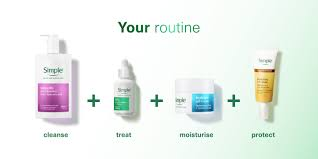
Step 1: Cleanse
Wash your face using a gentle cleanser.
Step 2: Apply to Slightly Damp Skin
Apply a few drops of hyaluronic acid serum while your skin is still slightly damp. The moisture on your skin helps the ingredient work more effectively.
Step 3: Moisturize
Follow with a moisturizer to help seal hydration into the skin. This step is especially important if you live in a dry climate.
Step 4: Apply Sunscreen (Morning)
Finish your morning routine with broad-spectrum sunscreen SPF 30 or higher.
Morning Routine Example

✔ Gentle cleanser
✔ Hyaluronic acid serum
✔ Vitamin C serum
✔ Moisturizer
✔ Sunscreen
Night Routine Example
✔ Gentle cleanser
✔ Hyaluronic acid serum
✔ Retinol (if using)
✔ Moisturizer
Common Mistakes to Avoid
Many beginners don’t get the best results because of simple mistakes. Avoid:
- Applying it to completely dry skin
- Skipping moisturizer afterward
- Using too much product
- Expecting overnight results
- Forgetting sunscreen during the day
Small adjustments can make a noticeable difference.
Can You Use Hyaluronic Acid Every Day?
Yes.
Most people can safely use hyaluronic acid once or twice daily as part of their skincare routine. Because it’s a hydrating ingredient rather than an exfoliant, it’s generally suitable for regular use. If irritation occurs, discontinue use and consult a dermatologist.
Hyaluronic Acid vs. Other Hydrating Ingredients
| Ingredient | Main Benefit |
|---|---|
| Hyaluronic Acid | Attracts water to the skin |
| Glycerin | Draws moisture into the skin |
| Ceramides | Strengthen the skin barrier |
| Squalane | Helps prevent moisture loss |
| Aloe Vera | Soothes and hydrates |
These ingredients often work well together in a balanced skincare routine.
Frequently Asked Questions

Is hyaluronic acid safe for sensitive skin?
Hyaluronic acid is generally considered suitable for sensitive skin because it’s a hydrating ingredient. However, everyone’s skin is different, so patch testing new products is a sensible precaution.
Can oily skin use hyaluronic acid?
Yes. Oily skin still needs hydration. Hyaluronic acid provides moisture without adding oil, making it suitable for many oily skin types.
Can I use hyaluronic acid with retinol?
Yes. Many people pair hyaluronic acid with retinol because the added hydration can help reduce dryness associated with retinol use.
At what age should I start using hyaluronic acid?
There is no specific age requirement. Adults of various ages use hyaluronic acid to support skin hydration as part of a regular skincare routine.
Key Takeaways
- Hyaluronic acid is a naturally occurring molecule that helps the skin retain moisture.
- It hydrates, softens, and plumps the skin.
- It is suitable for most skin types.
- Apply it to slightly damp skin and follow with a moisturizer.
- Consistent use, along with sunscreen and a healthy skincare routine, can help maintain hydrated, healthy-looking skin.
Conclusion
Hyaluronic acid has become a skincare favorite because it’s simple to use, gentle on most skin types, and highly effective at improving hydration. Whether you’re dealing with dryness, dehydration, or simply want healthier-looking skin, this ingredient can be a valuable addition to your daily routine. Apply it consistently, seal it in with a moisturizer, and protect your skin with sunscreen to enjoy its full benefits over time.
You might also like

How to Get Glowing Skin Naturally: 25 Science-Backed Tips
📋 Table of Contents What Does “Glowing Skin” Actually Mean? 1. Wear Sunscreen Every Day 2.…
Ceramides Explained: Why Your Skin Barrier Loves Them
📋 Table of Contents 1. Lock in Moisture 2. Reduce Transepidermal Water Loss (TEWL) 3. Protect…
Vitamin C for Skin: Benefits, How to Use It, and Common Mistakes
📋 Table of Contents What Is Vitamin C? Benefits of Vitamin C for Skin 1. Brightens…