
Best Vitamins and Minerals for Healthy Skin: What Your Skin Really Needs
📋 Table of Contents
- Why Vitamins Matter for Skin Health
- 1. Vitamin C
- 2. Vitamin E
- 3. Vitamin A
- 4. Vitamin D
- 5. Zinc
- 6. Selenium
- 7. Omega-3 Fatty Acids
- Foods That Naturally Support Healthy Skin
- Can Supplements Help?
- Common Mistakes
- Quick Tips for Healthy Skin
- Frequently Asked Questions
- Which vitamin is best for glowing skin?
- Can vitamin deficiencies affect skin?
- Is food better than supplements?
- Conclusion
Healthy, glowing skin starts from within. While a consistent skincare routine is important, your skin also depends on essential vitamins and minerals to repair itself, produce collagen, fight free radicals, and maintain hydration. A balanced diet rich in skin-friendly nutrients can help improve your complexion and support long-term skin health naturally.
Why Vitamins Matter for Skin Health
Your skin constantly renews itself, making it one of the most active organs in your body. To support this process, it requires a steady supply of nutrients. Certain vitamins and minerals play a key role in collagen production, skin repair, hydration, and protection against environmental damage.
1. Vitamin C
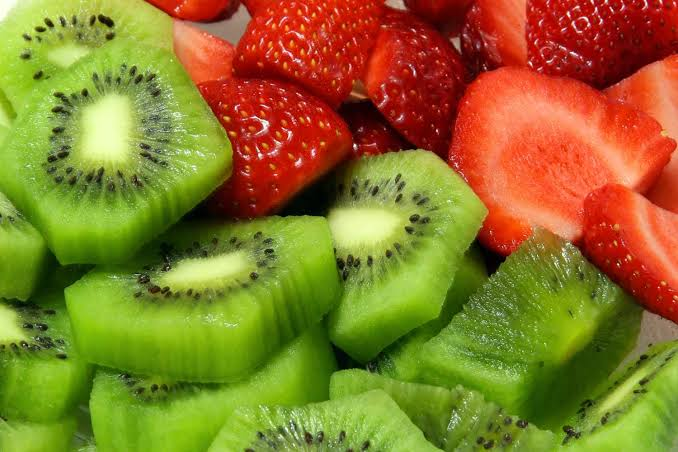
Vitamin C is essential for collagen production, which helps keep your skin firm and youthful. It also acts as a powerful antioxidant that protects the skin from free radical damage caused by pollution and UV exposure.
Best Food Sources
- Oranges
- Strawberries
- Kiwi
- Bell peppers
- Broccoli
2. Vitamin E
Vitamin E helps protect skin cells from oxidative stress while supporting the skin’s natural moisture barrier. It works especially well alongside vitamin C.
Best Food Sources
- Almonds
- Sunflower seeds
- Spinach
- Avocados

3. Vitamin A
Vitamin A supports skin cell growth and repair while helping maintain smooth, healthy skin. A deficiency may contribute to dry or rough skin.
Best Food Sources
- Sweet potatoes
- Carrots
- Pumpkin
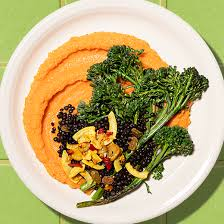
- Kale
- Eggs
4. Vitamin D
Vitamin D contributes to healthy skin function and supports the immune system. Many people obtain it through sunlight exposure, though certain foods also provide small amounts.
Best Food Sources
- Salmon
- Egg yolks
- Fortified milk
- Mushrooms
5. Zinc
Zinc helps with wound healing, supports the skin barrier, and plays a role in controlling inflammation. It is particularly important for people with acne-prone skin.
Best Food Sources
- Lean beef
- Chickpeas
- Pumpkin seeds
- Lentils
- Cashews
6. Selenium
Selenium is an antioxidant mineral that helps protect skin cells from damage caused by free radicals and environmental stress.
Best Food Sources
- Brazil nuts
- Tuna
- Eggs
- Brown rice
7. Omega-3 Fatty Acids

Although not a vitamin, omega-3 fatty acids help keep the skin hydrated and may support a healthy skin barrier.
Best Food Sources
- Salmon
- Sardines
- Walnuts
- Chia seeds
- Flaxseeds
Foods That Naturally Support Healthy Skin
Include a variety of nutrient-rich foods in your daily meals:
- Citrus fruits
- Berries
- Leafy greens
- Fatty fish
- Nuts and seeds
- Whole grains
- Colorful vegetables
- Eggs
Eating a diverse diet helps ensure your skin receives a wide range of beneficial nutrients.
Can Supplements Help?
If you have a diagnosed nutrient deficiency, your healthcare provider may recommend supplements. However, for most people, obtaining vitamins and minerals through a balanced diet is the preferred approach because whole foods provide additional fiber, antioxidants, and beneficial plant compounds.
Common Mistakes
- Relying only on skincare products
- Eating a diet low in fruits and vegetables
- Drinking too little water
- Taking supplements without medical advice
- Ignoring sun protection
Quick Tips for Healthy Skin
✔ Eat colorful fruits and vegetables daily.
✔ Include healthy fats like nuts and salmon.
✔ Stay hydrated.
✔ Wear sunscreen every day.
✔ Get enough sleep.
✔ Follow a consistent skincare routine.
Frequently Asked Questions
Which vitamin is best for glowing skin?
Vitamin C is widely recognized for supporting collagen production and helping maintain brighter, healthier-looking skin.
Can vitamin deficiencies affect skin?
Yes. Deficiencies in certain vitamins and minerals may contribute to dry skin, slower wound healing, or changes in skin appearance.
Is food better than supplements?
For most people, a balanced diet is the best way to obtain skin-supporting nutrients. Supplements should be used when recommended by a healthcare professional.

Conclusion
Healthy skin depends on more than creams and serums. Essential vitamins and minerals work together to support collagen production, maintain hydration, repair skin cells, and protect against environmental damage. By eating a balanced diet rich in colorful fruits, vegetables, healthy fats, and lean proteins, you can nourish your skin from the inside out and support a naturally healthy complexion.Your diet plays a major role in your skin’s appearance. Read our article on How Diet Affects Your Skin to discover how everyday foods influence your complexion.
You might also like

How to Get Glowing Skin Naturally: 25 Science-Backed Tips
📋 Table of Contents What Does “Glowing Skin” Actually Mean? 1. Wear Sunscreen Every Day 2.…
Ceramides Explained: Why Your Skin Barrier Loves Them
📋 Table of Contents 1. Lock in Moisture 2. Reduce Transepidermal Water Loss (TEWL) 3. Protect…
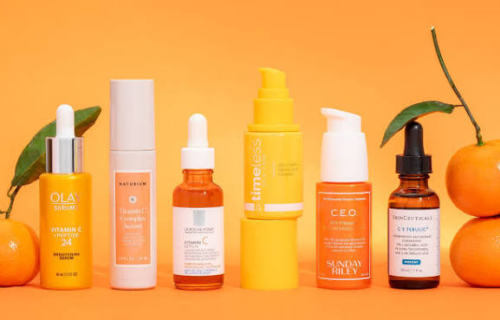
Vitamin C for Skin: Benefits, How to Use It, and Common Mistakes
📋 Table of Contents What Is Vitamin C? Benefits of Vitamin C for Skin 1. Brightens…