
Are Cold Showers Good for You? Benefits, Risks, and What Science Says
📋 Table of Contents
- Growing Interest in Wellness
- Influence of Athletes
- Productivity Culture
- Social Media Trends
- Ancient Greece
- Ancient Rome
- Scandinavian Traditions
- Modern Sports Medicine
- Immediate Physical Response
- Heart Rate
- Blood Vessels
- Nervous System
- Hormonal Response
- 1. May Increase Alertness
- 2. Can Improve Mood
- 3. May Temporarily Reduce Muscle Soreness After Exercise
- 4. May Improve Circulation
- 5. Builds Resilience to Discomfort
- 6. May Increase Energy Levels
- 7. May Reduce Perceived Stress Over Time
- 8. Encourages Deeper Breathing
- 9. Can Help Cool the Body After Exercise (Appropriately Timed)
- 10. May Support Skin by Avoiding Prolonged Hot Water Exposure
- 11. May Help Reduce Post-Workout Inflammation
- 12. May Strengthen Healthy Daily Routines
- 13. Saves Hot Water and Energy
- 14. May Increase Mental Focus
- 15. May Complement an Overall Healthy Lifestyle
- 1. Cold Shock Response
- 2. Heart Concerns
- 3. Asthma Considerations
- 4. Hypothermia Risk with Prolonged Exposure
- 5. Sensitive Skin
- 6. Not Ideal During Certain Illnesses
- Step 1: Finish Your Warm Shower with Cool Water
- Step 2: Increase Gradually
- Step 3: Focus on Your Breathing
- Step 4: Listen to Your Body
- Morning Cold Showers
- Evening Cold Showers
- Myth 1: Cold Showers Cure Illness
- Myth 2: They Dramatically Boost Immunity
- Myth 3: Longer Is Always Better
- Myth 4: Everyone Should Take Cold Showers
- 1. How Cold Should a Cold Shower Be?
- 2. How Long Should I Stay in a Cold Shower?
- 3. Should I Take Cold Showers Every Day?
- 4. Are Cold Showers Better Than Hot Showers?
- 5. Can Cold Showers Help with Weight Loss?
- 6. Can Cold Showers Improve Skin and Hair?
- Day 1
- Day 2
- Day 3
- Day 4
- Day 5
- Day 6
- Day 7
Introduction
Cold showers have gone from being an uncomfortable morning routine to one of the most talked-about wellness trends in recent years. From athletes and fitness enthusiasts to entrepreneurs and social media influencers, many people claim that ending a shower with cold water or taking an entirely cold shower can increase energy, improve mood, strengthen mental resilience, and even boost overall health.
You may have seen videos online of people willingly stepping into freezing water, swimming in icy lakes, or completing “cold plunge challenges.” Some describe cold showers as life-changing, while others wonder whether these claims are supported by science or simply another wellness fad.
The truth lies somewhere in between.
Cold showers may offer several health benefits, particularly for alertness, post-exercise recovery, and mental resilience. However, they are not a miracle cure, and many popular claims about cold exposure are often exaggerated or misunderstood. Scientific research suggests that while controlled cold exposure can positively affect the body, the benefits depend on factors such as water temperature, duration, individual health, and consistency.
This article explores what happens inside your body when you’re exposed to cold water, the research behind cold showers, their potential benefits and risks, and practical tips for incorporating them safely into your routine.
Whether you’re curious about improving your morning energy, enhancing recovery after exercise, or simply wondering if cold showers are worth the discomfort, this evidence-based guide will help you separate facts from myths.
Why Have Cold Showers Become So Popular?
Cold showers have existed for centuries, but they’ve become especially popular in the past decade thanks to growing interest in health optimization and social media.
Millions of people now share videos showing themselves taking cold showers or ice baths while describing improvements in their physical and mental well-being.Several factors have contributed to this popularity.
Growing Interest in Wellness
People today are increasingly looking for simple, inexpensive ways to improve their health without relying solely on supplements or expensive treatments. A cold shower requires no special equipment, making it an accessible habit for almost anyone.
Influence of Athletes
Professional athletes have long used cold water immersion after intense exercise to help manage muscle soreness and aid recovery. As sports recovery techniques became more widely discussed, cold showers gained attention outside athletic communities.
Productivity Culture
Many entrepreneurs and productivity experts promote cold showers as part of their morning routines. Supporters often claim that the sudden exposure to cold water helps them:
- Wake up faster
- Feel more alert
- Increase mental discipline
- Start the day with greater focus
Although personal experiences vary, these stories have encouraged many people to try cold showers themselves.
Social Media Trends
Platforms such as YouTube, Instagram, and TikTok have played a major role in popularizing cold exposure. Short videos showing dramatic reactions to icy water often receive millions of views, making cold showers appear exciting and transformative. However, social media rarely tells the complete story.
Social Media vs. Scientific Evidence
Scrolling through wellness content online can make it seem as though cold showers can solve almost every health problem. Some influencers claim that cold showers:
- Burn large amounts of fat
- Cure depression
- Prevent illness
- Dramatically strengthen the immune system
- Increase testosterone
- Replace coffee
- Slow aging
These claims are often presented without scientific evidence. While research suggests that cold exposure may have certain health benefits, many viral claims go far beyond what current evidence supports. For example:
- Cold showers can make you feel more awake, but they don’t permanently increase energy.
- Cold water immersion may help reduce muscle soreness after intense exercise, but it isn’t necessary for everyone.
- Cold showers may improve mood for some individuals, but they are not a treatment for depression.
- There is limited evidence that cold showers alone significantly strengthen the immune system.
The best approach is to view cold showers as one healthy lifestyle habit, not a cure-all. Maintaining a balanced diet, regular physical activity, quality sleep, stress management, and routine healthcare remains far more important for long-term health.
What You’ll Learn in This Guide
This article will help you understand:
- What defines a cold shower
- How cold water affects your body
- The science behind cold exposure
- Potential health benefits
- Possible risks and who should be cautious
- Whether cold showers are better than hot showers
- How to safely begin taking cold showers
- Common myths about cold water therapy
By the end, you’ll have a realistic understanding of whether cold showers deserve a place in your wellness routine.
What Is a Cold Shower?
A cold shower is a shower taken using water that is significantly cooler than normal bathing temperatures. While there is no universal definition, cold showers generally involve water temperatures below 21°C (70°F). Many people who regularly practice cold exposure prefer temperatures between 10°C and 15°C (50–59°F), although beginners often start with slightly warmer water. Some people take entirely cold showers, while others:
- Finish a warm shower with 30–90 seconds of cold water.
- Alternate between warm and cold water.
- Gradually decrease the water temperature over time.
Unlike ice baths, cold showers are generally shorter and expose the body to less extreme cold.
The History of Cold Water Therapy
Cold water therapy is not a new idea. For thousands of years, different cultures have used cold water for health, recovery, and spiritual practices.
Ancient Greece
Greek physicians encouraged bathing in cold water to promote strength and vitality. The famous physician Hippocrates believed that water therapy could support overall health when used appropriately.
Ancient Rome
Roman bathhouses often included cold pools known as frigidariums, where bathers finished after spending time in warmer baths. These cold pools were believed to refresh the body and stimulate circulation.
Scandinavian Traditions
In Nordic countries, alternating between hot saunas and cold lakes has been practiced for generations. Many people continue this tradition today as part of cultural wellness routines.
Modern Sports Medicine
Today, cold water immersion is commonly used by athletes after intense training sessions. Researchers continue studying how cold exposure may affect recovery, inflammation, circulation, and physical performance. Although interest in cold showers has grown rapidly, many of these practices have existed for centuries.
What Happens to Your Body During a Cold Shower?
Stepping into cold water creates an immediate chain reaction throughout your body. These responses are natural survival mechanisms designed to protect your body from sudden temperature changes.
Immediate Physical Response
The moment cold water touches your skin, temperature-sensitive receptors send signals to your brain. Within seconds, your body begins working to conserve heat. You may notice:
- A sharp gasp
- Faster breathing
- Goosebumps
- Increased alertness
- Feeling wide awake
This initial “cold shock response” usually becomes less intense as your body gradually adapts.
Heart Rate
Cold water activates your sympathetic nervous system, often called the “fight-or-flight” system. Your heart rate may increase temporarily as your body responds to the sudden temperature change. For healthy individuals, this response is usually short-lived. However, people with heart disease or certain cardiovascular conditions should consult a healthcare professional before regularly practicing cold exposure, as sudden immersion in very cold water can place extra stress on the heart.
Blood Vessels
Cold temperatures cause blood vessels near the skin to narrow, a process called vasoconstriction. This helps reduce heat loss by directing more blood toward your body’s core, where vital organs are located. Once you leave the cold water and begin warming up, blood vessels gradually widen again in a process called vasodilation, allowing blood flow to return to the skin.
Nervous System
Cold water strongly stimulates the nervous system. This stimulation contributes to feelings of increased alertness and wakefulness. Many people report feeling mentally refreshed after a cold shower, which may explain why some choose to take one first thing in the morning. However, the intensity of this response often decreases as the body becomes more accustomed to cold exposure.
Hormonal Response
Cold exposure triggers the release of several hormones and signaling chemicals involved in the body’s stress response. For example:
- Adrenaline (epinephrine): Increases heart rate and alertness.
- Noradrenaline (norepinephrine): Helps improve attention and prepares the body to respond to the cold.
These changes are temporary and form part of the body’s natural adaptation to environmental stress. Scientists continue to study how repeated cold exposure may influence mood, stress resilience, and overall health, but more high-quality research is still needed.
The Science Behind Cold Exposure
Cold exposure is an example of acute environmental stress. This means the body experiences a short-term challenge and responds by activating systems that help maintain normal body temperature. Researchers have found that controlled cold exposure may:
- Increase alertness.
- Improve feelings of wakefulness.
- Support recovery after intense physical activity in some situations.
- Encourage mental resilience through gradual adaptation.
However, many proposed benefits, such as dramatically boosting immunity, burning large amounts of fat, or preventing disease—remain areas of ongoing research and should not be considered proven. Cold showers should be viewed as a complementary wellness practice rather than a replacement for healthy habits like regular exercise, balanced nutrition, sufficient sleep, and stress management.
Cold Showers vs. Ice Baths
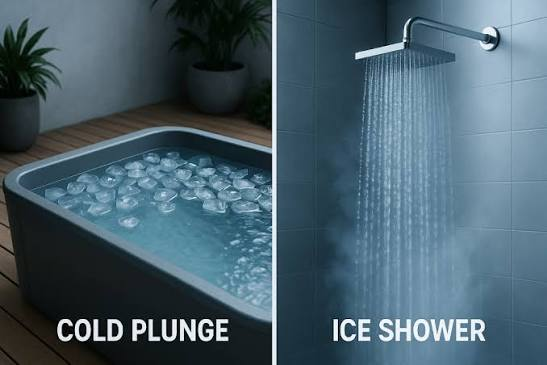
Although these terms are often used interchangeably, cold showers and ice baths are not the same.
| Cold Showers | Ice Baths |
|---|---|
| Usually 10–21°C (50–70°F) | Usually 10–15°C (50–59°F) or colder |
| Water flows continuously | Body is fully immersed in still water |
| Easier for beginners | More intense cold exposure |
| Typically last 30 seconds to 5 minutes | Usually 5–15 minutes under controlled conditions |
| Convenient and inexpensive | Often require special equipment or preparation |
Cold showers are a practical way for most people to experiment with cold exposure at home, while ice baths produce a stronger physiological response and should be approached more cautiously.
15 Science-Backed Benefits of Cold Showers
Cold showers aren’t a miracle cure, but research suggests they may offer several health benefits when practiced safely and consistently. Most of these benefits come from your body’s natural response to short-term cold exposure rather than the cold water itself.
It’s important to remember that many studies focus on cold-water immersion or athletic recovery, and more research is still needed. Think of cold showers as one healthy habit that can complement, not replace a balanced lifestyle.
1. May Increase Alertness
One of the first things people notice after stepping into a cold shower is feeling more awake. Cold water stimulates your nervous system, causing an immediate increase in alertness. As your body reacts to the temperature change, breathing becomes deeper, your heart rate rises briefly, and your brain becomes more attentive. Many people choose cold showers in the morning because they provide a refreshing start to the day. While they don’t replace sleep, they may help you feel more awake after getting out of bed.
2. Can Improve Mood
Some people report feeling happier and more energized after a cold shower. Researchers believe this may be related to the release of hormones and neurotransmitters involved in the body’s stress response, such as norepinephrine. Cold exposure may also create a sense of accomplishment, especially when it becomes part of a consistent routine. However, cold showers should never be viewed as a treatment for depression or other mental health conditions. They may support emotional well-being as part of a healthy lifestyle that includes good sleep, exercise, balanced nutrition, and stress management.
3. May Temporarily Reduce Muscle Soreness After Exercise
Athletes have used cold water immersion for years to help manage muscle soreness after intense exercise. Cold temperatures may reduce swelling and temporarily relieve discomfort by narrowing blood vessels and slowing inflammatory processes immediately after strenuous activity. For most recreational exercisers, a cold shower may provide similar short-term relief, although ice baths are typically used in professional sports settings. Keep in mind that cold exposure isn’t necessary after every workout, and some research suggests it may not be ideal immediately after strength training aimed at maximizing muscle growth.
4. May Improve Circulation
During a cold shower, blood vessels near the skin narrow to conserve heat. After you leave the shower and begin warming up, those vessels gradually widen again. This natural response helps your body regulate temperature and keeps blood flowing to vital organs. While healthy circulation depends on many factors including physical activity, diet, hydration, and cardiovascular health, cold showers may contribute to temporary changes in blood flow as part of your body’s normal response to cold.
5. Builds Resilience to Discomfort
Cold showers require you to stay calm in an uncomfortable situation. Learning to breathe steadily and remain relaxed despite temporary discomfort may help build mental resilience. This doesn’t mean cold showers make life stress-free, but repeatedly facing manageable challenges can improve confidence and teach you that discomfort doesn’t always need to be avoided. Many people describe this as one of the biggest long-term benefits of cold showers.
6. May Increase Energy Levels
Feeling sluggish in the morning? A brief cold shower may provide a natural energy boost. The sudden exposure to cold activates your nervous system and increases alertness, helping you feel refreshed. Unlike caffeine, the effect comes from your body’s natural physiological response rather than a stimulant. Cold showers are not a replacement for quality sleep, but they can complement healthy morning habits.
7. May Reduce Perceived Stress Over Time
Repeated exposure to mild, controlled stressors may help your body adapt more effectively over time. Cold showers are considered a form of “controlled stress.” When practiced safely, they encourage your body to respond to temporary discomfort and return to a relaxed state afterward. Some people find that this improves their confidence in handling everyday stress, although more research is needed to understand the long-term effects.
8. Encourages Deeper Breathing
The first few seconds of a cold shower often trigger a quick gasp. Once you control your breathing, you’re encouraged to take slow, deep breaths. Deep breathing increases oxygen intake and activates the body’s relaxation response, helping many people feel calmer after the initial shock passes. Combining cold showers with mindful breathing can make the experience more comfortable and beneficial.
9. Can Help Cool the Body After Exercise (Appropriately Timed)
After intense exercise in hot weather, a cool or cold shower may help lower body temperature and improve comfort. However, timing matters. Athletes training specifically for muscle growth may choose to delay cold exposure after resistance training because some research suggests immediate cold exposure could reduce certain training adaptations. For general fitness and recovery, a refreshing cool shower after exercise can be a practical option.
10. May Support Skin by Avoiding Prolonged Hot Water Exposure
Very hot showers can strip away natural oils that help protect your skin. Cold or lukewarm water may be less drying for some people, especially those with naturally dry skin. While cold water isn’t a cure for skin conditions, avoiding excessively hot water may help maintain the skin’s natural moisture barrier. Following your shower with a moisturizer is still one of the best ways to keep skin hydrated.
11. May Help Reduce Post-Workout Inflammation
Following strenuous exercise, temporary inflammation occurs as part of the body’s natural recovery process. Cold water exposure may help reduce some of this inflammation immediately after intense physical activity. This is one reason why professional athletes sometimes use cold water immersion during tournaments or periods of heavy training. However, everyday exercisers don’t necessarily need cold showers after every workout.
12. May Strengthen Healthy Daily Routines
Cold showers often become part of a consistent morning or wellness routine. People who regularly practice healthy habits tend to build momentum that supports other positive behaviors. For example, someone who starts the day with:
- Exercise
- A cold shower
- A healthy breakfast
- Journaling
may feel more motivated to continue making healthy choices throughout the day. The routine itself may be just as valuable as the shower.
13. Saves Hot Water and Energy
Cold showers don’t require heating water. If you shorten your shower or finish with cold water instead of remaining under hot water for long periods, you may reduce both water heating costs and energy use. Although this isn’t a direct health benefit, it’s an environmentally friendly habit that can lower household energy consumption.
14. May Increase Mental Focus
Because cold showers require your full attention, they temporarily shift your focus away from distractions. Many people report feeling mentally sharper afterward. The combination of increased alertness, deeper breathing, and improved wakefulness may contribute to better concentration, especially during the first part of the day.
15. May Complement an Overall Healthy Lifestyle
Perhaps the most important point is that cold showers work best as part of a balanced lifestyle. They should complement, not replace healthy habits such as:
- Getting enough sleep
- Eating nutritious foods
- Exercising regularly
- Managing stress
- Staying hydrated
- Building meaningful relationships
No single wellness habit can guarantee perfect health, but combining multiple healthy behaviors often has the greatest long-term impact.
Risks of Cold Showers, Who Should Avoid Them, Cold vs. Hot Showers, Morning vs. Evening, and Common Myths
While cold showers can offer several potential health benefits, they are not suitable for everyone. Like any wellness practice, cold exposure should be approached with realistic expectations and proper safety precautions. Understanding the possible risks can help you decide whether cold showers fit your lifestyle and health needs.
Risks of Cold Showers
For most healthy adults, a brief cold shower is generally considered safe. However, the sudden change in temperature causes immediate physiological responses that may not be appropriate for everyone. Below are some of the most important risks to consider.
1. Cold Shock Response
One of the first things you’ll experience when stepping into cold water is the cold shock response. This is your body’s natural reaction to sudden cold exposure. Within seconds, you may notice:
- A sudden gasp for air
- Faster breathing
- Increased heart rate
- Goosebumps
- Temporary muscle tension
- Feeling startled or panicked
This response is completely normal and usually lasts less than a minute as your body begins to adjust. To reduce the intensity of the cold shock response:
- Start with cool water instead of ice-cold water.
- Lower the temperature gradually.
- Focus on slow, controlled breathing.
- Avoid jumping directly into extremely cold water.
As you become accustomed to cold showers, your body’s response often becomes less intense.
2. Heart Concerns
Cold water causes blood vessels to narrow and temporarily increases blood pressure and heart rate. For healthy individuals, these changes are generally short-lived. However, people with certain cardiovascular conditions should be cautious. Individuals with:
- Heart disease
- High blood pressure that isn’t well controlled
- Irregular heart rhythms
- Previous heart attacks
should consult their healthcare provider before beginning regular cold exposure. Sudden immersion in very cold water places additional stress on the cardiovascular system and may not be appropriate for everyone.
3. Asthma Considerations
Cold air and cold water can trigger breathing difficulties in some people with asthma. The sudden temperature change may lead to tightening of the airways, making breathing more difficult. If you have asthma:
- Speak with your healthcare provider before trying cold showers.
- Start slowly.
- Stop immediately if you experience wheezing or difficulty breathing.
Safety should always come before following wellness trends.
4. Hypothermia Risk with Prolonged Exposure
Although a short cold shower is unlikely to cause hypothermia indoors, remaining in very cold water for long periods can lower your core body temperature. Hypothermia occurs when the body loses heat faster than it can produce it. Symptoms include:
- Uncontrollable shivering
- Confusion
- Slurred speech
- Loss of coordination
- Extreme fatigue
Cold showers should generally last only a few minutes. Extended exposure provides little additional benefit while increasing potential risks.
5. Sensitive Skin
Cold water is usually less drying than very hot water, but some people may still experience discomfort. Those with conditions such as:
- Raynaud’s phenomenon
- Cold urticaria (cold-induced hives)
- Certain forms of eczema
may find that cold exposure worsens symptoms. If your skin becomes painful, excessively red, numb, or develops hives after cold exposure, discontinue the practice and seek medical advice if symptoms persist.
6. Not Ideal During Certain Illnesses
When you’re already sick with a fever, flu, or another illness, your body is working hard to recover. Adding the stress of cold exposure may make you feel more uncomfortable. If you’re feeling unwell, it’s generally better to prioritize:
- Rest
- Hydration
- Nutritious food
- Following your healthcare provider’s recommendations
You can always return to cold showers once you’ve recovered.
Who Should Avoid Cold Showers?
Although many healthy adults tolerate cold showers well, some individuals should avoid them or seek medical advice first. Cold showers may not be appropriate for people with:
- Serious heart disease
- Uncontrolled high blood pressure
- Severe asthma triggered by cold
- Raynaud’s phenomenon
- Cold urticaria
- Poor circulation related to certain medical conditions
- Recent major surgery unless advised otherwise
- High fever or severe illness
Pregnant individuals or people with chronic medical conditions should also consult a healthcare professional before beginning any new wellness practice involving cold exposure.
How to Start Safely
If you’re interested in trying cold showers, there’s no need to begin with freezing water. A gradual approach is usually more comfortable and sustainable.
Step 1: Finish Your Warm Shower with Cool Water
Complete your normal shower, then reduce the temperature for the last 20–30 seconds.
Step 2: Increase Gradually
Over several weeks:
- Increase the amount of time spent under cool water.
- Gradually lower the water temperature as you become comfortable.
There’s no prize for making the water as cold as possible. Consistency matters more than intensity.
Step 3: Focus on Your Breathing
Avoid holding your breath. Instead:
- Breathe slowly through your nose when possible.
- Exhale calmly.
- Relax your shoulders.
Controlled breathing helps reduce the cold shock response.
Step 4: Listen to Your Body
Stop immediately if you experience:
- Chest pain
- Severe dizziness
- Difficulty breathing
- Fainting
- Extreme discomfort
Cold showers should feel challenging, not dangerous.
Cold Shower vs. Hot Shower
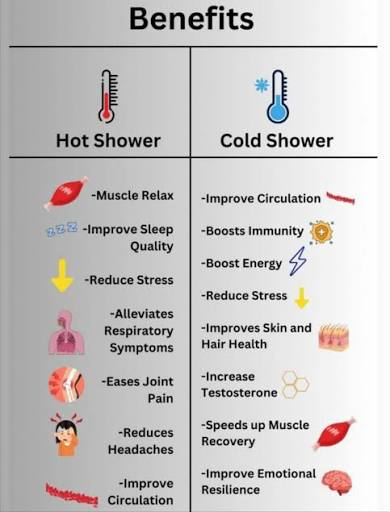
Many people wonder which type of shower is healthier. The answer depends on your goals.
| Cold Shower | Hot Shower |
|---|---|
| Increases alertness | Promotes relaxation |
| Refreshing in the morning | Helps unwind before bed |
| May reduce post-exercise soreness | Relaxes tight muscles |
| Less drying for some skin types | Can dry out skin if water is very hot |
| Builds tolerance to discomfort | Creates a soothing experience |
| Best for wakefulness | Best for stress relief and comfort |
Neither is universally better. Many people enjoy combining both, for example, taking a warm shower to cleanse the body and finishing with 30–60 seconds of cool water.
Morning vs. Evening Cold Showers
Timing can influence how cold showers affect you.
Morning Cold Showers
Morning cold showers may help:
- Increase alertness
- Improve focus
- Reduce morning grogginess
- Create a sense of accomplishment
- Energize the start of your day
For many people, mornings are the best time to experience the refreshing effects of cold water.
Evening Cold Showers
Evening cold showers can feel refreshing after exercise or during hot weather. However, because cold exposure increases alertness for some people, taking one immediately before bed may make it harder to relax. If your goal is better sleep, a warm or lukewarm shower is generally the better choice. Experiment to see what works best for your body and routine.
Common Myths About Cold Showers
Cold showers have become extremely popular online, but not everything you hear is backed by evidence. Let’s separate fact from fiction.
Myth 1: Cold Showers Cure Illness
Reality: False
Cold showers are not a cure for infections such as the common cold, influenza, or other illnesses. While maintaining overall health supports your immune system, cold showers should never replace medical treatment, vaccinations, or healthy lifestyle habits.
Myth 2: They Dramatically Boost Immunity
Reality: The evidence is limited.
Some studies suggest that regular cold exposure may influence certain immune responses, but there isn’t strong evidence showing that cold showers dramatically strengthen the immune system or prevent illness. A balanced diet, regular exercise, quality sleep, stress management, and recommended vaccinations remain far more important for supporting immune health.
Myth 3: Longer Is Always Better
Reality: Not true.
Spending longer periods in very cold water doesn’t automatically provide greater benefits. For most people, 30 seconds to 3 minutes at the end of a shower is enough to experience the refreshing effects of cold exposure. Longer exposure increases discomfort and may increase risks without adding meaningful health benefits.
Myth 4: Everyone Should Take Cold Showers
Reality: Cold showers aren’t right for everyone.
People with certain medical conditions, including heart disease, severe asthma triggered by cold, Raynaud’s phenomenon, or cold urticaria may need to avoid cold exposure or speak with a healthcare professional first. Wellness habits should always be personalized. The best routine is one that’s both safe and sustainable for you.
Finding the Right Balance
Cold showers can be a refreshing addition to a healthy lifestyle, but they aren’t a requirement for good health. They work best when combined with proven habits like regular exercise, balanced nutrition, quality sleep, effective stress management, and routine medical care.
If you decide to try cold showers, start gradually, listen to your body, and focus on consistency rather than extreme temperatures. A simple habit practiced safely is far more valuable than pushing yourself beyond your limits.
Frequently Asked Questions, 7-Day Cold Shower Challenge, Weekly Checklist, Conclusion
Now that you understand the potential benefits, risks, and science behind cold showers, you may still have some practical questions. This final section answers the most common FAQs, provides a beginner-friendly challenge, and includes a weekly checklist to help you safely build the habit.
Frequently Asked Questions
1. How Cold Should a Cold Shower Be?
There is no single “perfect” temperature for a cold shower. In general:
- Cool shower: 21–27°C (70–80°F)
- Cold shower: Below 21°C (70°F)
- Very cold exposure: Around 10–15°C (50–59°F)
If you’re a beginner, don’t worry about reaching extremely cold temperatures. Start with cool water and gradually lower the temperature as your body adapts. The goal isn’t to endure the coldest water possible, it’s to safely introduce your body to short periods of cold exposure.
2. How Long Should I Stay in a Cold Shower?
More isn’t always better. For most healthy adults:
- Beginners: 20–30 seconds
- After one week: 30–60 seconds
- Experienced users: 1–3 minutes
Staying in very cold water for extended periods offers little additional benefit and may increase the risk of discomfort or excessive cooling. Consistency is more important than duration.
3. Should I Take Cold Showers Every Day?
Daily cold showers are safe for many healthy adults, but they are not necessary. Some people enjoy them every morning, while others prefer them:
- After workouts
- During hot weather
- A few times each week
Listen to your body. If cold showers leave you feeling exhausted or uncomfortable, reduce the frequency or shorten the duration.
4. Are Cold Showers Better Than Hot Showers?
Neither is universally better. Each serves different purposes.
Cold showers may help with:
- Alertness
- Feeling refreshed
- Temporary muscle recovery
- Mental resilience
Hot showers may help with:
- Relaxation
- Muscle stiffness
- Preparing for sleep
- Comfort during cold weather
Many people combine both by taking a warm shower for cleaning and finishing with a short burst of cool or cold water.
5. Can Cold Showers Help with Weight Loss?
Cold showers are not a weight-loss solution. Your body does use energy to maintain its core temperature during cold exposure, but the calorie burn from a brief cold shower is relatively small. Long-term weight management still depends on:
- A balanced diet
- Regular physical activity
- Adequate sleep
- Sustainable healthy habits
Cold showers should be viewed as a complement to a healthy lifestyle—not a shortcut for losing weight.
6. Can Cold Showers Improve Skin and Hair?
Cold water does not magically transform your skin or hair, but it may offer some advantages over very hot water. Very hot water can strip away natural oils, leaving skin feeling dry and irritated. Cooler water may help:
- Reduce excessive dryness
- Feel soothing after heat exposure
- Preserve the skin’s natural moisture barrier
For healthy skin and hair, it’s equally important to use a gentle cleanser, moisturize regularly, and protect your skin from excessive sun exposure.
7-Day Beginner’s Cold Shower Challenge
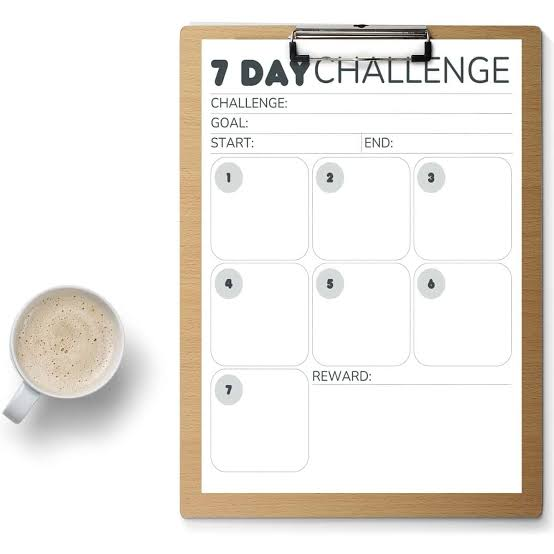
If you’re interested in trying cold showers, ease into the habit gradually.
Day 1
Finish your normal shower with 20 seconds of cool water. Focus on slow, steady breathing.
Day 2
Increase to 30 seconds. Try relaxing your shoulders and resisting the urge to tense your muscles.
Day 3
Stay under cool water for 45 seconds. Pay attention to how your breathing becomes calmer.
Day 4
Lower the temperature slightly. Remain under the water for one minute.
Day 5
Practice controlled breathing while staying relaxed for 90 seconds. Notice how your body begins adapting more quickly.
Day 6
Aim for two minutes of cool or cold water. Try ending your shower feeling calm rather than rushing out immediately.
Day 7
Complete a two- to three-minute cold shower if it feels comfortable. Reflect on how your energy, mood, and confidence have changed over the week. Remember: it’s perfectly fine to move more slowly if needed. Building a sustainable habit is more important than reaching a specific temperature or duration.
Weekly Cold Shower Checklist
Use this checklist to track your progress and build consistency.
✅ Took at least three cold showers this week
✅ Practiced slow, controlled breathing
✅ Stayed hydrated
✅ Exercised regularly
✅ Slept 7–9 hours most nights
✅ Ate balanced, nutritious meals
✅ Managed stress with mindfulness or relaxation
✅ Avoided extremely long cold exposure
✅ Listened to my body’s signals
✅ Combined cold showers with other healthy habits

Conclusion
Cold showers have gained enormous popularity in the wellness world, but the science shows a more balanced picture than many viral social media posts suggest. Research indicates that brief cold showers may increase alertness, improve mood for some people, support post-exercise recovery, and help build mental resilience. They may also encourage healthier routines by adding a simple daily challenge to your lifestyle. However, cold showers are not a miracle cure. They won’t replace quality sleep, balanced nutrition, regular exercise, or evidence-based medical care. Claims that cold showers cure illness, dramatically boost immunity, or guarantee weight loss are not supported by strong scientific evidence. Like many wellness practices, cold showers work best when they’re part of a broader commitment to healthy living. If you’re healthy and interested in trying cold exposure, start gradually, pay attention to how your body responds, and prioritize consistency over intensity. A short, safe cold shower can be a refreshing addition to your routine but the best wellness habits are the ones you can maintain over the long term.

You might also like

Ultra-Processed Foods Explained: Should You Really Avoid Them?
📋 Table of Contents 1. Unprocessed or Minimally Processed Foods 2. Processed Culinary Ingredients 3. Processed…

Is Sitting Really the New Smoking? What Too Much Sitting Does to Your Body
📋 Table of Contents Here's what the science says: Your Muscles Become Less Active Blood Flow…
What Happens to Your Body When You Quit Added Sugar for 30 Days? A Science-Backed Guide
📋 Table of Contents Natural Sugars Added Sugars Blood Sugar Fluctuations Habits Emotional Eating Food Environment…