
How to Get Glowing Skin Naturally: 25 Science-Backed Tips

📋 Table of Contents
- What Does “Glowing Skin” Actually Mean?
- 1. Wear Sunscreen Every Day
- 2. Keep Your Skin Barrier Healthy
- 3. Cleanse Gently
- 4. Don’t Over-Exfoliate
- 5. Use Hyaluronic Acid for Hydration
- 6. Add Ceramides to Your Routine
- 7. Eat More Colourful Fruits and Vegetables
- 8. Include Healthy Fats
- 9. Drink Enough Water
- 10. Prioritise Sleep
- 11. Manage Stress
- 12. Exercise Regularly
- 13. Avoid Smoking
- 14. Limit Excess Alcohol
- 15. Remove Makeup Before Bed
- 16. Use Vitamin C in the Morning
- 17. Introduce Retinol Gradually
- 18. Use Niacinamide for Overall Skin Health
- 19. Don’t Pick at Your Skin
- 20. Protect Your Skin From Pollution
- 21. Keep Your Routine Consistent
- 22. Use a Humidifier in Dry Environments
- 23. Eat Enough Protein
- 24. Be Careful With DIY Remedies
- 25. Be Patient
- A Simple Glowing Skin Routine
- Morning
- Evening
- Foods That Support a Natural Glow
- Habits That Can Make Skin Look Dull
- Frequently Asked Questions
- How long does it take to get glowing skin naturally?
- Can oily skin still be dehydrated?
- Is expensive skincare necessary?
- Does drinking water make your skin glow?
- Conclusion
Everyone wants glowing skin. Social media is filled with filters, highlighters, and promises of an instant “glass skin” effect, but real skin radiance usually comes from something much less glamorous: healthy skin function. A natural glow is often a sign that your skin is:
- well hydrated,
- protected from excessive damage,
- getting enough nutrients,
- and supported by consistent daily habits.
The good news is that you don’t need an expensive 15-step routine to improve your skin. Many of the most effective strategies are backed by research and involve simple changes such as wearing sunscreen, sleeping well, eating a balanced diet, and using gentle skincare products consistently. In this guide, you’ll learn 25 science-backed tips to help your skin look healthier, brighter, and naturally radiant.
What Does “Glowing Skin” Actually Mean?
Glowing skin doesn’t mean perfectly poreless or flawless skin. Dermatologists generally associate healthy-looking, radiant skin with:
- good hydration,
- an even skin tone,
- a smooth surface texture,
- adequate blood circulation,
- and a healthy skin barrier.
When the skin is dehydrated, irritated, or damaged by excessive sun exposure, it often appears dull, rough, or uneven.
1. Wear Sunscreen Every Day
If you do only one thing for your skin, make it daily sunscreen. UV exposure is one of the biggest contributors to:
- dullness,
- uneven pigmentation,
- fine lines,
- loss of elasticity,
- and premature skin ageing.
Use a broad-spectrum SPF 30 or higher every morning, even on cloudy days if you’ll be outdoors.
2. Keep Your Skin Barrier Healthy
Your skin barrier is the protective outer layer that helps keep moisture in and irritants out. A damaged barrier can make skin look:
- dry,
- flaky,
- red,
- and dull.
Look for products containing:
- ceramides,
- glycerin,
- hyaluronic acid,
- and squalane.
3. Cleanse Gently
Over-cleansing can strip away natural oils and disrupt the skin barrier. Choose a gentle cleanser that leaves your skin feeling comfortable rather than tight or squeaky clean. For most people, cleansing twice daily is enough.
4. Don’t Over-Exfoliate
Exfoliation can improve brightness by removing dead skin cells, but too much can cause irritation and dullness. A good starting point is 1–3 times per week, depending on your skin type and the product you’re using.
5. Use Hyaluronic Acid for Hydration
Hyaluronic acid is a humectant that helps attract water to the skin. Apply it to slightly damp skin, then follow with a moisturiser to help seal in hydration.
Learn more in “Hyaluronic Acid Explained: What It Does for Your Skin and How to Use It Correctly.” https://welneez.com/hyaluronic-acid-for-skin-complete-beginners-guide/
6. Add Ceramides to Your Routine
Ceramides help strengthen the skin barrier and reduce moisture loss. They’re especially helpful if your skin feels:
- dry,
- tight,
- sensitive,
- or irritated.
Explore “Ceramides Explained: Why Your Skin Barrier Loves Them.” https://welneez.com/ceramides-explained-why-your-skin-barrier-loves-them/
7. Eat More Colourful Fruits and Vegetables
A diet rich in colourful produce provides antioxidants such as:
- vitamin C,
- beta-carotene,
- and polyphenols.
These nutrients help support overall skin health. Great options include:
- berries,
- oranges,
- carrots,
- spinach,
- tomatoes,
- and bell peppers.

8. Include Healthy Fats
Healthy fats help support the skin barrier. Good sources include:
- salmon,
- sardines,
- walnuts,
- chia seeds,
- flaxseeds,
- avocados,
- and olive oil.
9. Drink Enough Water
Hydration from within matters too. While drinking more water won’t instantly transform your skin, dehydration can make skin appear dull and less supple.
10. Prioritise Sleep
During sleep, the skin undergoes important repair processes. Aim for 7–9 hours of quality sleep per night. Poor sleep is associated with:
- dullness,
- puffiness,
- and a less refreshed appearance.
11. Manage Stress
Chronic stress can affect the skin through hormonal and inflammatory pathways. Try stress-reducing activities such as:
- walking,
- exercise,
- meditation,
- deep breathing,
- journaling,
- or spending time in nature.
12. Exercise Regularly
Physical activity improves circulation, which helps deliver oxygen and nutrients to the skin. You don’t need intense workouts, brisk walking, cycling, yoga, or dancing can all help.
13. Avoid Smoking
Smoking accelerates skin ageing and can contribute to a dull, uneven complexion. Quitting smoking benefits both your skin and overall health.
14. Limit Excess Alcohol
Alcohol can contribute to dehydration and may make some skin concerns more noticeable. Moderation is key.
15. Remove Makeup Before Bed
Sleeping in makeup can trap oil, sweat, and environmental debris against the skin. Even a quick gentle cleanse is better than leaving makeup on overnight.
16. Use Vitamin C in the Morning
Vitamin C is an antioxidant that may help improve the appearance of:
- uneven skin tone,
- dullness,
- and environmental damage.
Apply it in the morning under sunscreen.
17. Introduce Retinol Gradually
Retinol can improve skin texture and brightness over time, but it should be introduced slowly. Start 1–2 nights per week and increase gradually if tolerated. Always use sunscreen during the day.
Read “Retinol Explained: Benefits, Side Effects, and How to Use It Safely.” https://welneez.com/retinol-for-beginners-benefits-side-effects-and-how-to-use-it-safely/
18. Use Niacinamide for Overall Skin Health
Niacinamide is a versatile ingredient that may help with:
- redness,
- oil balance,
- uneven tone,
- and barrier support.
It pairs well with both hyaluronic acid and ceramides.
Explore “Niacinamide for Skin: Benefits, Uses, and Common Mistakes.” https://welneez.com/niacinamide-for-skin-benefits-how-to-use-it-and-common-mistakes/
19. Don’t Pick at Your Skin
Picking can lead to:
- inflammation,
- delayed healing,
- and post-inflammatory marks.
If you’re prone to picking, keep nails short and consider using hydrocolloid patches on active blemishes.
20. Protect Your Skin From Pollution
If you live in a polluted area, cleansing at the end of the day becomes especially important. Antioxidant-rich skincare and sunscreen can also help support the skin against environmental stressors.
21. Keep Your Routine Consistent
Switching products every few days makes it difficult to know what’s helping. Give new products 4–8 weeks unless they cause irritation. Consistency is often more important than having a large collection of products.
22. Use a Humidifier in Dry Environments
Indoor heating and air conditioning can dry out the skin. A humidifier may help maintain moisture in the air, especially during winter.
23. Eat Enough Protein
Protein provides amino acids that support the body’s normal tissue repair processes. Include sources such as:
- eggs,
- fish,
- chicken,
- beans,
- lentils,
- tofu,
- and Greek yogurt.
24. Be Careful With DIY Remedies
Not everything “natural” is safe for the skin. Avoid applying:
- lemon juice,
- baking soda,
- toothpaste,
- or undiluted essential oils directly to the face.
These can cause irritation or damage the skin barrier.
25. Be Patient
Healthy skin changes gradually. Most evidence-based skincare habits take weeks or months to show noticeable results. The goal isn’t perfection, it’s healthier, more resilient skin over time.
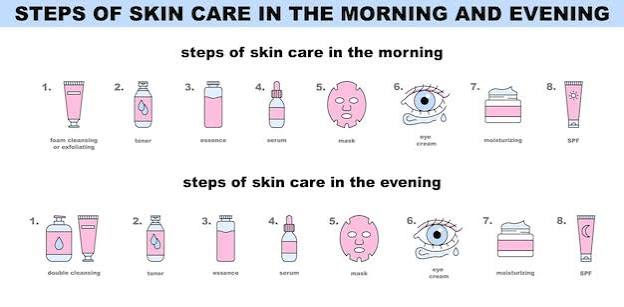
A Simple Glowing Skin Routine
Morning
- Gentle cleanser
- Vitamin C (optional)
- Hyaluronic acid
- Ceramide moisturiser
- SPF 30+ sunscreen
Evening
- Gentle cleanser
- Retinol (if using)
- Hyaluronic acid
- Ceramide moisturiser
Foods That Support a Natural Glow
| Food | Skin Benefit |
|---|---|
| Berries | Antioxidants |
| Salmon | Omega-3 fats |
| Avocado | Healthy fats |
| Spinach | Vitamin A & antioxidants |
| Oranges | Vitamin C |
| Walnuts | Omega-3 & vitamin E |
| Tomatoes | Lycopene |
| Sweet potatoes | Beta-carotene |
Habits That Can Make Skin Look Dull
- Skipping sunscreen
- Over-exfoliating
- Smoking
- Chronic stress
- Poor sleep
- Dehydration
- Excess alcohol
- Harsh cleansers
- Picking at the skin
- Inconsistent skincare routines
Frequently Asked Questions
How long does it take to get glowing skin naturally?
Many people notice improved hydration and comfort within 1–2 weeks, but more noticeable changes in texture and radiance often take 4–8 weeks of consistent habits.
Can oily skin still be dehydrated?
Yes. Oily skin can lack water while still producing excess oil.
Is expensive skincare necessary?
Not usually. Consistency, sunscreen, gentle cleansing, hydration, and barrier support matter more than price.
Does drinking water make your skin glow?
Adequate hydration supports overall skin health, but it works best alongside good skincare, nutrition, sleep, and sun protection.
Conclusion
Glowing skin is less about chasing the latest trend and more about supporting your skin’s natural functions. The habits that tend to make the biggest difference are surprisingly simple:
- wear sunscreen daily,
- cleanse gently,
- keep your skin hydrated,
- support your skin barrier,
- eat a balanced diet,
- sleep well,
- manage stress,
- and stay consistent.
You don’t need flawless skin to have healthy, radiant skin. By focusing on long-term skin health rather than quick fixes, you’ll be much more likely to achieve a natural glow that lasts.
You might also like
Ceramides Explained: Why Your Skin Barrier Loves Them
📋 Table of Contents 1. Lock in Moisture 2. Reduce Transepidermal Water Loss (TEWL) 3. Protect…
Vitamin C for Skin: Benefits, How to Use It, and Common Mistakes
📋 Table of Contents What Is Vitamin C? Benefits of Vitamin C for Skin 1. Brightens…

Niacinamide for Skin: Benefits, How to Use It, and Common Mistakes
📋 Table of Contents What Is Niacinamide? How Does Niacinamide Work? Benefits of Niacinamide for Skin…