
10 Everyday Habits That Are Secretly Damaging Your Health
Small Daily Habits Can Have a Bigger Impact Than You Think
When people think about unhealthy lifestyles, they often imagine smoking, excessive alcohol consumption, or eating fast food every day. While these behaviors certainly affect health, many of the biggest threats to long-term wellness come from small daily habits that seem harmless.
Skipping breakfast because you’re busy. Sitting at your desk for hours without moving. Staying up late scrolling through social media. Drinking too little water. Constantly living under stress.
These habits rarely cause immediate problems, but over months and years, they can quietly influence your energy levels, heart health, metabolism, sleep, mental well-being, and overall quality of life.
The encouraging news is that small unhealthy habits can also be replaced with small healthy habits—and those changes often lead to significant long-term improvements.
In this comprehensive guide, we’ll explore 10 everyday habits that may be secretly damaging your health, why they matter, and simple ways to replace them with healthier alternatives.
Why Small Habits Matter
Your health isn’t determined by a single meal or one missed workout. Instead, it’s shaped by the choices you repeat every day.

Daily habits influence:
- Heart health
- Brain function
- Digestion
- Sleep quality
- Weight management
- Blood sugar regulation
- Immune function
- Mood
- Energy levels
Tiny improvements repeated consistently often produce greater long-term benefits than dramatic lifestyle changes that don’t last.
1. Sitting for Too Long
Modern life encourages long periods of sitting. Many people spend hours:
- Working at a computer
- Watching television
- Driving
- Using smartphones
Why It Matters
Extended sitting has been associated with:
- Reduced calorie expenditure
- Muscle stiffness
- Poor posture
- Back and neck discomfort
- Increased risk of certain chronic diseases when combined with overall inactivity
Healthier Habit
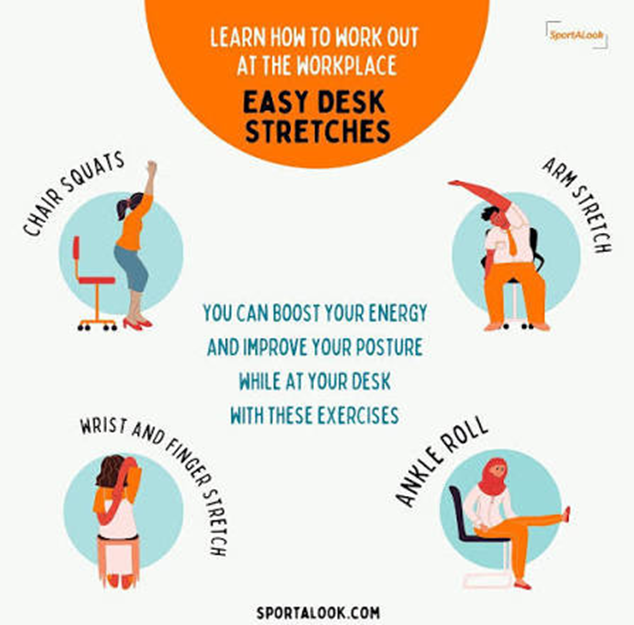
Stand up and move for 2–5 minutes every hour. Simple activities like stretching, walking around your office, or climbing a few stairs can make a difference.
2. Drinking Too Little Water
Even mild dehydration can affect:
- Energy
- Concentration
- Physical performance
- Mood
Many people don’t realize they’re drinking far less water than their bodies need.
Healthier Habit
- Carry a reusable water bottle.
- Drink water before meals.
- Eat water-rich foods such as cucumbers, oranges, and watermelon.
3. Sleeping Too Little
Sleep is when your body repairs tissues, regulates hormones, strengthens memory, and supports immune function. Consistently getting too little sleep may affect:
- Concentration
- Mood
- Appetite regulation
- Heart health
- Metabolism
Healthier Habit
Aim for 7–9 hours of quality sleep each night and maintain a consistent bedtime.
4. Eating Too Quickly
Many people finish meals within just a few minutes. Eating too quickly may make it harder to recognize when you’re comfortably full.
Healthier Habit
- Eat without distractions.
- Chew thoroughly.
- Put your fork down between bites.
- Take at least 20 minutes to finish meals when possible.
5. Spending Too Much Time on Screens
Phones, tablets, and computers have become essential parts of daily life. However, excessive screen time may contribute to:
- Eye strain
- Neck discomfort
- Reduced physical activity
- Poor sleep when used before bedtime
Healthier Habit
Follow the 20-20-20 rule: Every 20 minutes, look at something about 20 feet away for at least 20 seconds.
6. Constant Stress
Stress is a normal part of life. The problem begins when stress becomes chronic. Long-term stress may influence:
- Sleep
- Digestion
- Blood pressure
- Mental well-being
- Immune function
Healthier Habit
Practice daily stress management through:
- Walking
- Deep breathing
- Meditation
- Prayer
- Journaling
- Spending time in nature
Even ten minutes each day can help.
7. Skipping Fruits and Vegetables
Many adults eat far fewer fruits and vegetables than recommended. These foods provide:

- Fiber
- Vitamins
- Minerals
- Antioxidants
Healthier Habit
Fill half your plate with colorful vegetables and fruit whenever possible. Aim to eat a variety of colors throughout the week.
8. Relying on Sugary Drinks
Soft drinks, sweetened coffees, energy drinks, and sugary juices can add large amounts of added sugar without providing much nutrition.
Regular consumption may contribute to:
- Weight gain
- Blood sugar spikes
- Dental problems
Healthier Habit
Replace sugary beverages with:
- Water
- Sparkling water
- Unsweetened tea
- Infused water with lemon, cucumber, or mint
9. Ignoring Your Mental Health

Physical and mental health are closely connected. Ignoring emotional well-being can affect:
- Sleep
- Appetite
- Relationships
- Productivity
- Overall quality of life
Healthier Habit
Take time to:
- Connect with friends
- Practice gratitude
- Seek support when needed
- Take breaks from work
Looking after your mental health is an important part of overall wellness.
10. Waiting Until You’re Sick to Care for Your Health
Many people only think about health after developing symptoms. Preventive habits are often far more effective than trying to reverse problems later.
Healthier Habit
Schedule regular health checkups, stay physically active, eat balanced meals, and prioritize sleep even when you feel well.
The Power of Habit Stacking
One of the easiest ways to build healthier routines is through habit stacking. This means attaching a new habit to one you already perform consistently.
Examples
- Drink a glass of water after brushing your teeth.
- Stretch while waiting for your coffee.
- Eat fruit after lunch.
- Take a short walk after dinner.
- Practice deep breathing before bed.
These small routines become easier because they’re connected to existing habits.
A Simple Healthy Daily Routine
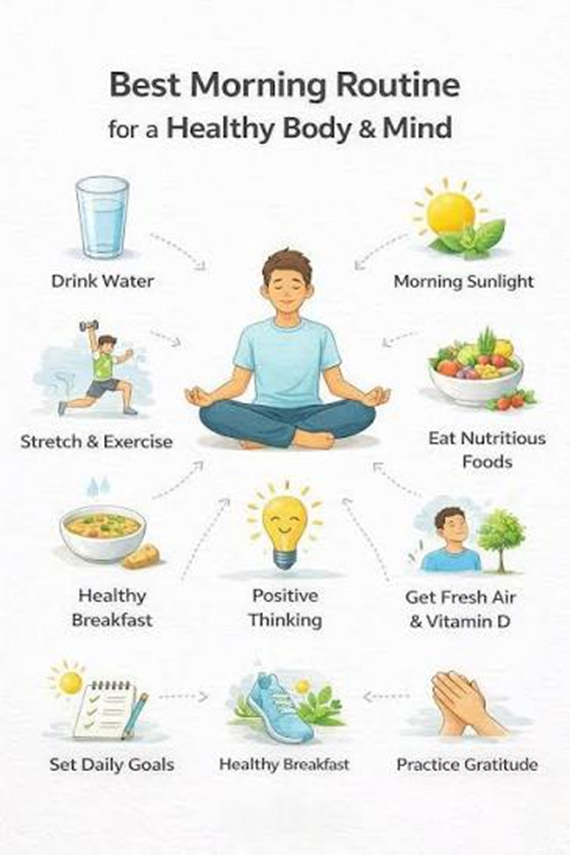
Morning
- Drink a glass of water.
- Eat a balanced breakfast.
- Spend a few minutes stretching.
Midday
- Take movement breaks every hour.
- Eat a colorful lunch.
- Go outside for fresh air if possible.
Evening
- Eat a balanced dinner.
- Limit screen time before bed.
- Read or relax before sleeping.
Common Myths About Healthy Living

Myth: Small habits don’t matter.
Fact: Small habits repeated daily often have a greater long-term impact than occasional major efforts.
Myth: Healthy living requires expensive products.
Fact: Many of the healthiest habits—walking, sleeping well, drinking water, and eating more vegetables—cost little or nothing.
Myth: You have to change everything at once.
Fact: Focusing on one or two habits at a time is usually more sustainable.
Myth: Missing one healthy day means you’ve failed.
Fact: Long-term consistency matters far more than occasional setbacks.
Frequently Asked Questions
How long does it take to build a healthy habit?
It varies from person to person. The most important factor is repeating the behavior consistently until it becomes part of your routine.
Which habit should I change first?
Start with the habit that feels most manageable, such as drinking more water, taking short walking breaks, or adding an extra serving of vegetables each day.
Can small lifestyle changes really improve health?
Yes. Research consistently shows that small, sustainable improvements in nutrition, physical activity, sleep, and stress management can have meaningful long-term health benefits.
What if I miss a day?
Missing one day doesn’t erase your progress. Simply return to your routine the next day rather than giving up.
Final Thoughts
Healthy living isn’t built through dramatic transformations—it’s built through everyday choices.
The habits that seem small today can shape how you feel months and years from now. By replacing unhealthy routines with simple, sustainable alternatives, you create a strong foundation for lifelong wellness.
Remember, you don’t need to become perfect overnight. Focus on one habit at a time, celebrate small victories, and trust the process.
At Everyday Wellness, we believe that lasting health is created through consistent daily actions—not quick fixes. Every positive choice you make today is an investment in a healthier tomorrow.
Key Takeaways
- Small daily habits have a powerful impact on long-term health.
- Sitting too long, poor sleep, dehydration, and chronic stress can quietly affect your well-being.
- Replace unhealthy habits with simple, realistic alternatives.
- Build healthy routines through consistency rather than perfection.
- Long-term wellness comes from everyday choices repeated over time.
You might also like

Is Sitting Really the New Smoking? What Too Much Sitting Does to Your Body
📋 Table of Contents Here's what the science says: Your Muscles Become Less Active Blood Flow…

Do You Really Need 10,000 Steps a Day? What Science Says About Daily Walking
📋 Table of Contents The Truth Behind the 10,000-Step Goal Introduction Fitness Technology A Simple Goal…