
Best Foods for Healthy Hair Growth: 15 Nutrient-Rich Foods for Stronger, Thicker Hair
Nourish Your Hair from the Inside Out
Everyone dreams of thick, shiny, and healthy hair. While expensive shampoos, conditioners, and hair treatments may improve the appearance of your hair, true hair health begins from within.
Every strand of hair is built using nutrients supplied by your body. If your diet lacks essential vitamins, minerals, protein, or healthy fats, your hair may become dry, weak, brittle, or start falling out more than usual.
Although genetics, hormones, age, and medical conditions all influence hair growth, nutrition plays a major role in maintaining healthy hair follicles and encouraging stronger hair over time.
In this complete guide, you’ll learn the 15 best foods for healthy hair growth, why they work, and how to include them in your everyday diet.
How Hair Grows
Hair grows from tiny structures beneath the skin called hair follicles. Each hair goes through a natural cycle consisting of three stages:
1. Anagen (Growth Phase)
This is the active growth stage and can last between 2 to 7 years. Around 85–90% of your hair is usually in this phase.
2. Catagen (Transition Phase)
Hair growth slows as the follicle shrinks. This stage lasts about 2–3 weeks.
3. Telogen (Resting Phase)
Hair rests before naturally shedding. Losing 50–100 hairs daily is considered normal. Healthy nutrition supports every stage of this cycle.
Why Nutrition Matters for Hair Growth

Hair is primarily made of a protein called keratin.
Your body also needs:
- Protein
- Iron
- Zinc
- Biotin
- Vitamin A
- Vitamin C
- Vitamin D
- Vitamin E
- Omega-3 fatty acids
- Selenium
Without enough of these nutrients, your body may prioritize essential organs over hair growth.
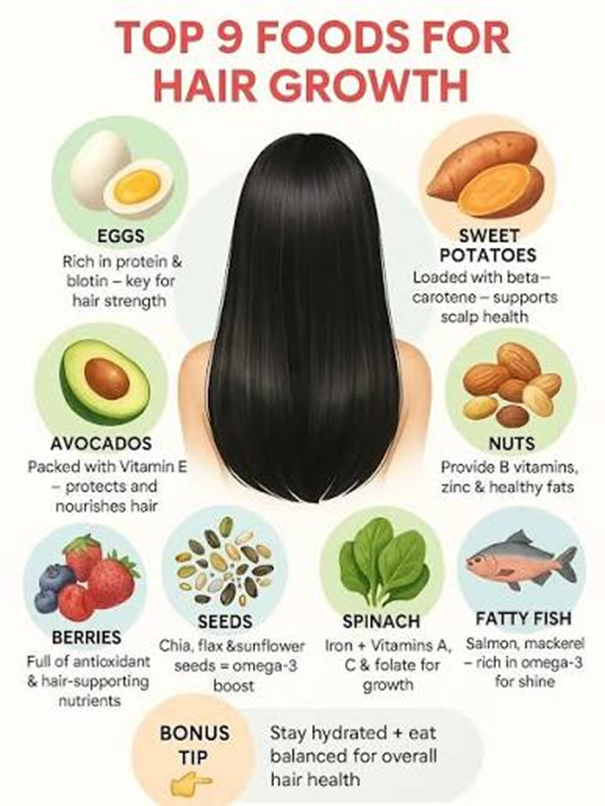
15 Best Foods for Healthy Hair Growth
1. Eggs
Eggs are among the best foods for healthy hair because they provide:
- High-quality protein
- Biotin
- Vitamin D
- Selenium
Benefits
- Supports keratin production
- Strengthens hair strands
- Promotes healthy hair follicles
Start your day with eggs for a protein-rich breakfast.
2. Salmon
Salmon is rich in Omega-3 fatty acids, protein, and Vitamin D.
Benefits
- Nourishes hair follicles
- Reduces scalp dryness
- Supports healthy hair growth
- Adds natural shine
Aim to eat fatty fish once or twice each week.
3. Spinach
Spinach provides:
- Iron
- Folate
- Vitamin A
- Vitamin C
Benefits
Iron helps red blood cells carry oxygen to hair follicles, supporting healthy growth.
4. Sweet Potatoes
Sweet potatoes are loaded with beta-carotene, which your body converts into Vitamin A.
Benefits
- Supports scalp health
- Helps produce natural oils
- Promotes healthy hair texture
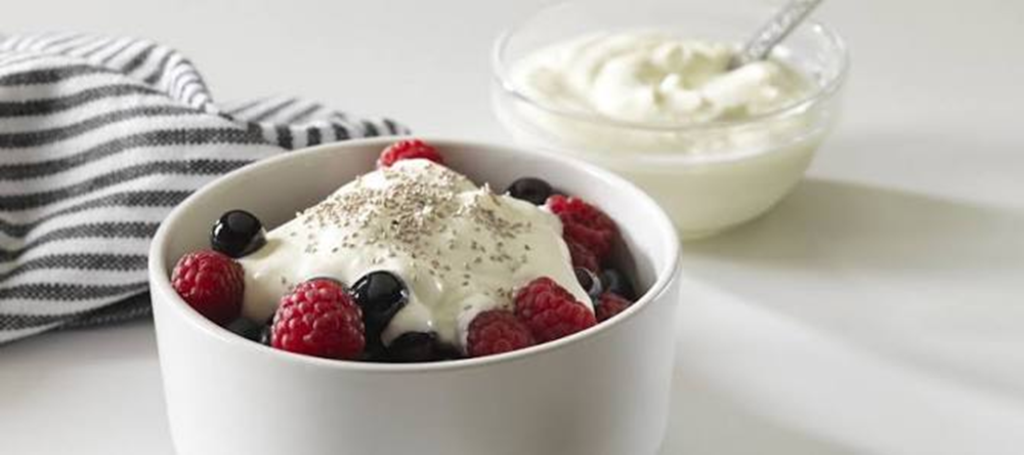
5. Greek Yogurt
Greek yogurt contains:
- Protein
- Vitamin B12
- Calcium
- Probiotics
Benefits
- Supports strong hair
- Promotes scalp health
- Helps meet daily protein needs
Choose plain, unsweetened varieties whenever possible.
6. Nuts
Almonds, walnuts, and Brazil nuts contain:
- Vitamin E
- Healthy fats
- Selenium
- Zinc
Benefits
- Protect hair follicles
- Reduce oxidative stress
- Promote healthier hair
A small handful makes a nutritious snack.
7. Seeds
Pumpkin seeds, sunflower seeds, flaxseeds, and chia seeds are excellent sources of nutrients that support hair health.
Benefits
- Provide zinc
- Supply Omega-3 fats
- Support healthy scalp function
8. Berries
Blueberries, strawberries, and raspberries are rich in Vitamin C.
Benefits
Vitamin C helps your body produce collagen, an important protein that supports healthy hair structure. It also improves iron absorption.
9. Avocados
Avocados contain:
- Healthy monounsaturated fats
- Vitamin E
- Folate
Benefits
- Supports scalp moisture
- Reduces dryness
- Promotes shiny hair
10. Lean Chicken
Chicken provides complete protein that’s essential for building keratin.
Benefits
- Supports hair strength
- Helps prevent protein deficiency
- Promotes healthy growth
11. Beans and Lentils
Plant-based eaters can obtain excellent nutrition from:
- Lentils
- Chickpeas
- Black beans
- Kidney beans
Benefits
- Rich in protein
- High in iron
- Good source of zinc
12. Oysters
Oysters are among the richest natural sources of zinc.
Benefits
- Supports hair follicle function
- Helps reduce hair shedding
- Promotes healthy growth
Other seafood can also contribute beneficial nutrients.
13. Bell Peppers
Bell peppers provide even more Vitamin C than many citrus fruits.
Benefits
- Supports collagen production
- Protects hair follicles
- Promotes stronger hair
14. Whole Grains
Whole grains such as oats and brown rice provide:
- B vitamins
- Fiber
- Iron
Benefits
- Support healthy energy production
- Nourish growing hair
15. Citrus Fruits
Oranges, lemons, and grapefruits provide Vitamin C and antioxidants.
Benefits
- Improve iron absorption
- Support collagen formation
- Protect hair cells
Nutrients That Play a Major Role in Hair Growth
Protein
Hair is made mostly of protein. Low protein intake may contribute to:
- Hair thinning
- Increased shedding
- Slower growth
Iron
Iron deficiency is one of the most common nutritional causes of hair loss. Iron-rich foods include:
- Spinach
- Lean meat
- Beans
- Lentils
Zinc
Zinc supports normal hair follicle function. Good sources include:
- Pumpkin seeds
- Seafood
- Nuts
- Dairy
Biotin
Biotin supports healthy hair, skin, and nails. Food sources include:
- Eggs
- Nuts
- Seeds
Vitamin C
Vitamin C supports collagen production and iron absorption.
Vitamin D
Vitamin D supports healthy hair follicles. Sources include:
- Fatty fish
- Eggs
- Fortified dairy products
- Sunlight exposure
Foods That May Negatively Affect Hair Health
A balanced diet is just as much about what you limit as what you include. Try to reduce:
- Sugary drinks
- Highly processed foods
- Excess alcohol
- Deep-fried foods
- Extremely restrictive diets
Poor nutrition can affect hair health over time.
Lifestyle Habits for Healthier Hair
Nutrition is only one part of healthy hair care.
Protect Your Hair By:
- Sleeping 7–9 hours each night
- Managing stress
- Staying hydrated
- Avoiding excessive heat styling
- Limiting harsh chemical treatments
- Protecting hair from excessive sun exposure
- Using gentle shampoos
- Avoiding tight hairstyles that pull on the scalp
Sample Hair-Healthy Meal Plan
Breakfast
Scrambled eggs with spinach and whole-grain toast.
Morning Snack
Greek yogurt topped with blueberries.
Lunch
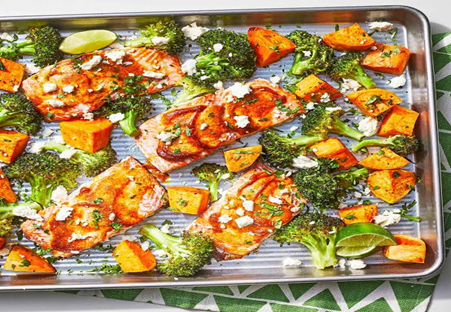
Grilled salmon with quinoa and broccoli.
Afternoon Snack
Mixed nuts and an orange.
Dinner
Grilled chicken, roasted sweet potatoes, and mixed vegetables.
Common Myths About Hair Growth
Myth: Cutting your hair makes it grow faster.
Fact: Haircuts remove split ends but do not affect how quickly hair grows from the follicles.
Myth: One vitamin can cure hair loss.
Fact: Hair health depends on a combination of nutrients, genetics, hormones, and overall health.
Myth: Washing your hair daily causes hair loss.
Fact: Washing removes hairs that are already in the shedding phase. It does not usually cause permanent hair loss.
Myth: Expensive hair products are enough.
Fact: Healthy hair begins with good nutrition, proper scalp care, and overall healthy lifestyle habits.
Frequently Asked Questions
Which food is best for hair growth?
There isn’t one perfect food, but eggs, salmon, spinach, berries, nuts, seeds, and Greek yogurt are among the most nutrient-rich choices for supporting healthy hair.
Can poor nutrition cause hair loss?
Yes. Inadequate intake of protein, iron, zinc, or certain vitamins may contribute to increased hair shedding or slower growth.
How long does it take to see improvements?
Hair grows slowly, so dietary improvements may take 3–6 months before noticeable changes occur.
Should I take hair supplements?
Supplements may be helpful if you have a diagnosed nutrient deficiency, but many people can meet their needs through a balanced diet. Speak with a healthcare professional before starting supplements.
Final Thoughts
Healthy, beautiful hair isn’t created by a single shampoo or miracle treatment—it’s built through consistent nutrition and healthy habits.
By eating a balanced diet rich in protein, healthy fats, vitamins, and minerals, you’re giving your hair follicles the building blocks they need to produce stronger, shinier, and healthier hair.
Remember, lasting results take time. Hair grows gradually, and small healthy choices made every day can lead to noticeable improvements over the months ahead.
At Everyday Wellness, we believe that true beauty starts from within. Nourish your body well, and your hair will thank you.
Key Takeaways
- Hair health depends on adequate protein, iron, zinc, vitamins, and healthy fats.
- Eggs, salmon, spinach, berries, avocados, nuts, and seeds are among the best foods for hair growth.
- Restrictive diets and nutrient deficiencies may contribute to hair thinning.
- Healthy hair requires both good nutrition and proper hair care.
- Consistency is the secret to stronger, healthier hair over time.
You might also like
How to Get Glowing Skin Naturally: 25 Science-Backed Tips
📋 Table of Contents What Does “Glowing Skin” Actually Mean? 1. Wear Sunscreen Every Day 2.…
Ceramides Explained: Why Your Skin Barrier Loves Them
📋 Table of Contents 1. Lock in Moisture 2. Reduce Transepidermal Water Loss (TEWL) 3. Protect…
Ultra-Processed Foods Explained: Should You Really Avoid Them?
📋 Table of Contents 1. Unprocessed or Minimally Processed Foods 2. Processed Culinary Ingredients 3. Processed…