
How Hydration Affects Your Skin Health: The Truth About Drinking Water and Glowing Skin
📋 Table of Contents
- Why Hydration Is Important for Your Skin
- Benefits of Staying Hydrated
- Supports Skin Elasticity
- Helps Maintain the Skin Barrier
- Reduces the Appearance of Dryness
- Promotes a Healthy Complexion
- Signs Your Skin May Be Dehydrated
- How Much Water Should You Drink?
- Best Foods for Skin Hydration
- Lifestyle Habits That Improve Skin Hydration
- Can Drinking Water Cure Dry Skin?
- Common Mistakes That Can Dehydrate Your Skin
- Tips for Keeping Your Skin Hydrated
- Frequently Asked Questions
- Does drinking water give you glowing skin?
- How can I tell if my skin is dehydrated?
- What's the best drink for healthy skin?
- Key Takeaways
- Conclusion
- Featured Image
- After "Benefits of Staying Hydrated"
- After "Best Foods for Skin Hydration"
- After "Lifestyle Habits That Improve Skin Hydration"
- Before the Conclusion
- Internal Linking Suggestions
Healthy, glowing skin isn’t just about using the right cleanser or moisturizer—it also depends on what’s happening inside your body. One of the most important yet often overlooked factors is hydration. Water plays a vital role in nearly every bodily function, including maintaining healthy skin. While drinking more water won’t magically erase wrinkles or cure acne overnight, staying properly hydrated helps your skin function at its best.
In this guide, we’ll explore how hydration affects your skin, recognize the signs of dehydrated skin, and share practical ways to keep your complexion looking healthy and radiant.
Why Hydration Is Important for Your Skin
Your skin is made up of several layers, and water is essential for keeping these layers functioning properly. Hydrated skin tends to feel softer, look smoother, and maintain its natural elasticity.
When your body doesn’t get enough fluids, your skin may become dry, rough, and less resilient. Proper hydration supports your skin barrier, which helps protect against environmental damage and prevents excessive moisture loss.
Benefits of Staying Hydrated

Drinking enough water offers several benefits for your skin and overall health.
Supports Skin Elasticity
Hydrated skin appears firmer and more supple. Adequate fluid intake helps maintain the skin’s natural structure.
Helps Maintain the Skin Barrier
A healthy skin barrier locks in moisture while protecting against pollutants, bacteria, and irritants.
Reduces the Appearance of Dryness
Although moisturizers are essential, internal hydration also supports your skin’s ability to retain moisture.
Promotes a Healthy Complexion
When your body is properly hydrated, your skin often looks fresher and healthier.
Signs Your Skin May Be Dehydrated
Unlike dry skin, which is a skin type, dehydration is a temporary condition caused by a lack of water. Common signs include:
- Tight feeling after washing your face
- Dull complexion
- Fine dehydration lines
- Rough texture
- Increased sensitivity
- Itchiness
- Tired-looking skin
If you notice these symptoms, increasing your fluid intake and using hydrating skincare products may help.
How Much Water Should You Drink?
There’s no single amount that’s right for everyone. Your hydration needs depend on factors such as your age, activity level, climate, and overall health. A good approach is to:
- Drink water regularly throughout the day.
- Increase your intake during hot weather or exercise.
- Pay attention to thirst and urine color as general indicators of hydration.
Remember that foods like fruits, vegetables, soups, and yogurt also contribute to your daily fluid intake.
Best Foods for Skin Hydration
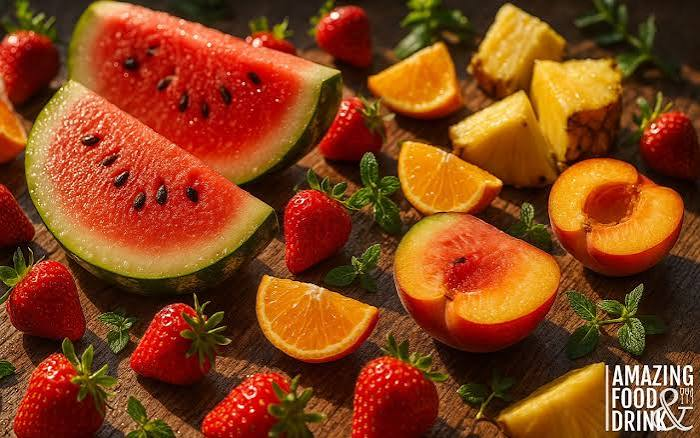
Many foods contain high amounts of water while also providing vitamins and antioxidants that support healthy skin. Include foods such as:
- Cucumbers
- Watermelon
- Strawberries
- Oranges
- Lettuce
- Celery
- Tomatoes
- Bell peppers
These foods help support hydration while providing nutrients that benefit your skin.
Lifestyle Habits That Improve Skin Hydration
Hydration is about more than just drinking water. Healthy habits include:
- Using a moisturizer daily
- Avoiding very hot showers
- Wearing sunscreen every day
- Sleeping 7–9 hours each night
- Eating a balanced diet
- Limiting excessive alcohol consumption
- Using a humidifier in dry environments
These habits work together to support your skin’s natural moisture balance.
Can Drinking Water Cure Dry Skin?
This is a common misconception. While staying hydrated supports overall skin health, drinking more water alone isn’t a cure for dry skin. Dry skin often requires topical moisturizers, gentle skincare products, and protection from harsh environmental conditions. The best approach combines healthy hydration with a consistent skincare routine.
Common Mistakes That Can Dehydrate Your Skin
Avoid these habits:
- Skipping moisturizer
- Using harsh cleansers
- Taking long, hot showers
- Forgetting sunscreen
- Drinking too little water
- Consuming excessive alcohol
- Over-exfoliating
Making small changes to your daily routine can help protect your skin’s natural moisture barrier.
Tips for Keeping Your Skin Hydrated
✔ Carry a reusable water bottle.
✔ Eat more water-rich fruits and vegetables.
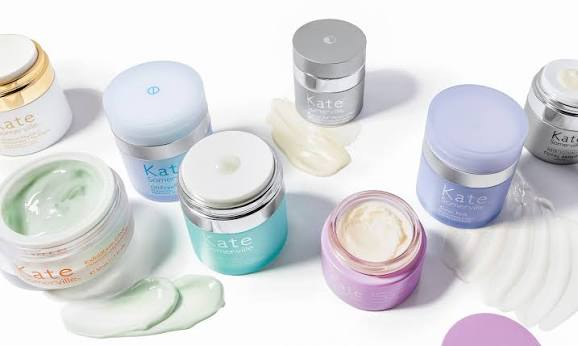
✔ Apply moisturizer after washing your face.
✔ Use gentle, fragrance-free skincare products.
✔ Wear sunscreen every morning.
✔ Avoid over-cleansing your skin.
✔ Get enough sleep.
Frequently Asked Questions
Does drinking water give you glowing skin?
Water supports healthy skin function and hydration, but glowing skin also depends on nutrition, sleep, sun protection, and a consistent skincare routine.
How can I tell if my skin is dehydrated?
Signs include tightness, dullness, rough texture, fine lines, and increased sensitivity.
What’s the best drink for healthy skin?
Water should be your primary source of hydration. Unsweetened herbal teas and milk can also contribute to daily fluid intake.
Key Takeaways
Healthy skin begins with healthy habits. Drinking enough water supports your body’s normal functions and helps maintain skin hydration, while a balanced diet, moisturizer, sunscreen, and good sleep all contribute to a healthier complexion. Rather than relying on one solution, focus on consistent daily habits that nourish your skin from the inside out.
Conclusion
Hydration is one of the foundations of healthy skin. While drinking water isn’t a miracle solution, it plays an important role in supporting your skin’s natural barrier and overall appearance. Pairing good hydration with a balanced diet, daily sun protection, and a simple skincare routine can help you achieve healthier, more radiant skin over time.
📸 Image Placement
Featured Image
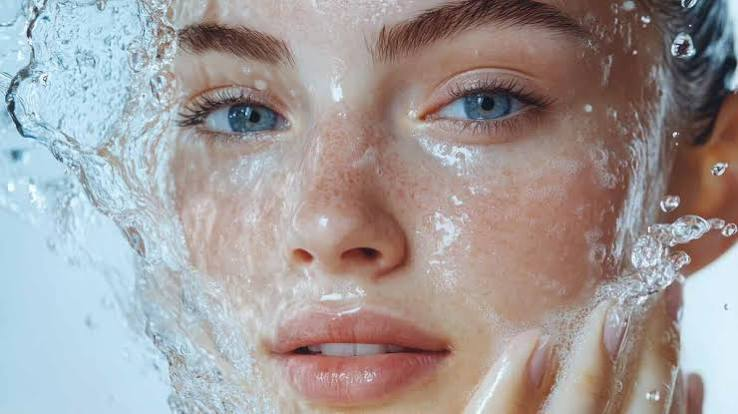
Image: Woman drinking water with naturally glowing skin.
After “Benefits of Staying Hydrated”
Image: Glass of water surrounded by cucumbers, lemons, and berries.
After “Best Foods for Skin Hydration”
Image: Water-rich fruits and vegetables on a wooden table.
After “Lifestyle Habits That Improve Skin Hydration”
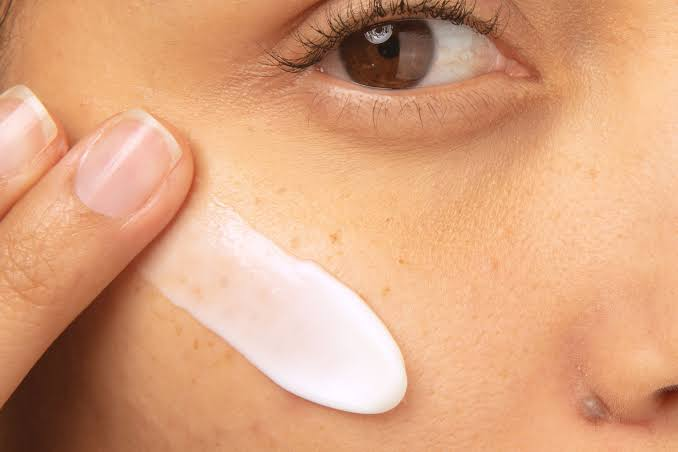
Image: Person applying moisturizer after washing their face.
Before the Conclusion
Image: Healthy woman outdoors with hydrated, glowing skin.
Internal Linking Suggestions
- The Complete Guide to Healthy Skin: Daily Habits That Actually Work
- How Diet Affects Your Skin
- 15 Best Foods for Healthy, Glowing Skin
- Best Vitamins and Minerals for Healthy Skin
- How to Build the Perfect Skincare Routine for Your Skin Type
- Morning Skincare Routine: 10 Simple Steps for Healthy, Glowing Skin
This article targets the evergreen keyword “hydration and skin health” and fits naturally into your Skin Care content cluster, helping strengthen Welneez’s topical authority while providing practical, reader-friendly advice.
You might also like
How to Get Glowing Skin Naturally: 25 Science-Backed Tips
📋 Table of Contents What Does “Glowing Skin” Actually Mean? 1. Wear Sunscreen Every Day 2.…
Ceramides Explained: Why Your Skin Barrier Loves Them
📋 Table of Contents 1. Lock in Moisture 2. Reduce Transepidermal Water Loss (TEWL) 3. Protect…
Vitamin C for Skin: Benefits, How to Use It, and Common Mistakes
📋 Table of Contents What Is Vitamin C? Benefits of Vitamin C for Skin 1. Brightens…