
The Ultimate Guide to Healthy Snacking Without Guilt
Smart Snacks Can Fuel Your Body—Not Ruin Your Diet
For years, snacking has received mixed reviews. Some people believe snacks lead to weight gain, while others rely on them to stay energized throughout the day.
The truth is that snacking itself isn’t unhealthy—it’s what, when, and how much you snack that matters.
A well-planned snack can provide essential nutrients, maintain steady energy levels, reduce cravings, improve concentration, and prevent overeating at your next meal. On the other hand, constantly reaching for chips, candy, sugary drinks, or processed snacks may leave you feeling sluggish, hungry, and unsatisfied.
Healthy snacking isn’t about avoiding your favorite foods forever. It’s about choosing foods that nourish your body while still satisfying your taste buds.In this complete guide, you’ll learn how to snack smarter, discover 25 healthy snack ideas, understand the science behind hunger, and build better eating habits that support long-term wellness.
Is Snacking Healthy?
Yes—when done mindfully. Healthy snacks can:
- Keep your energy stable
- Prevent excessive hunger
- Support blood sugar balance
- Increase your intake of vitamins and minerals
- Improve focus and productivity
- Help meet daily protein and fiber needs
However, mindless or frequent snacking on highly processed foods may add unnecessary calories without providing lasting fullness.
Why Do We Feel Hungry Between Meals?
Hunger is completely normal. Sometimes your body genuinely needs more energy, while other times you’re responding to habits or emotions. Common reasons for snacking include:
- Physical hunger
- Long gaps between meals
- Stress
- Boredom
- Fatigue
- Dehydration
- Emotional eating
- Social situations
Learning the difference between physical and emotional hunger can help you make more mindful choices.
Signs of Physical Hunger
You may be physically hungry if you notice:
- A growling stomach
- Low energy
- Difficulty concentrating
- Mild irritability
- Hunger that develops gradually
Eating a balanced snack can help restore energy.
Signs of Emotional Hunger
Emotional hunger often:
- Appears suddenly
- Craves specific comfort foods
- Continues even after you’re full
- Is triggered by stress, sadness, or boredom
Recognizing these patterns can help you respond in healthier ways.
What Makes a Healthy Snack?
The most satisfying snacks combine protein, fiber, and healthy fats.
Protein
Protein helps keep you full longer. Good choices include:
- Greek yogurt
- Cottage cheese
- Boiled eggs
- Roasted chickpeas
Fiber
Fiber slows digestion and supports gut health. Excellent sources include:
- Fruit
- Vegetables
- Whole grains
- Nuts
- Seeds
Healthy Fats
Healthy fats provide lasting energy. Choose:
- Almonds
- Walnuts
- Pistachios
- Avocados
- Peanut butter
25 Healthy Snack Ideas
Protein-Packed Snacks
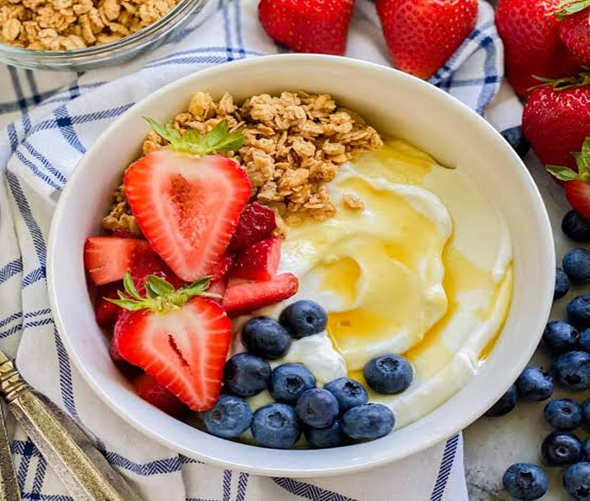
1. Greek Yogurt with Berries
High in protein, calcium, and probiotics.
2. Boiled Eggs
Simple, portable, and filling.
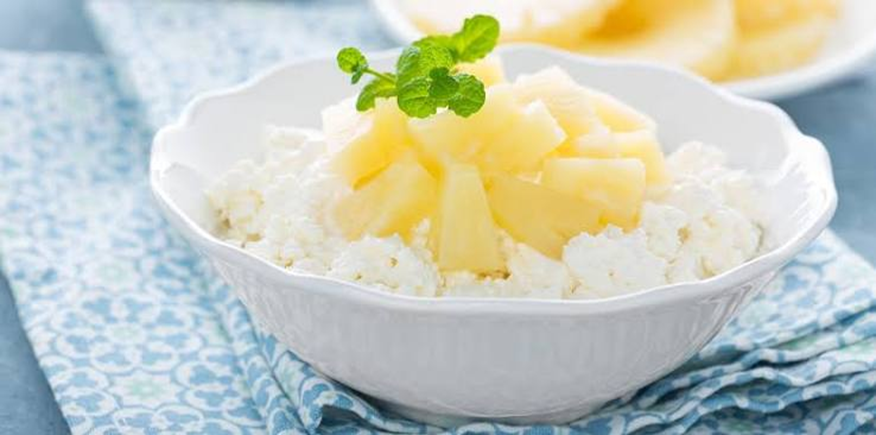
3. Cottage Cheese with Pineapple
A refreshing combination rich in protein.
4. Tuna on Whole-Grain Crackers
Provides protein and heart-healthy Omega-3 fats.
5. Roasted Chickpeas
Crunchy, flavorful, and rich in fiber.
Fruit-Based Snacks
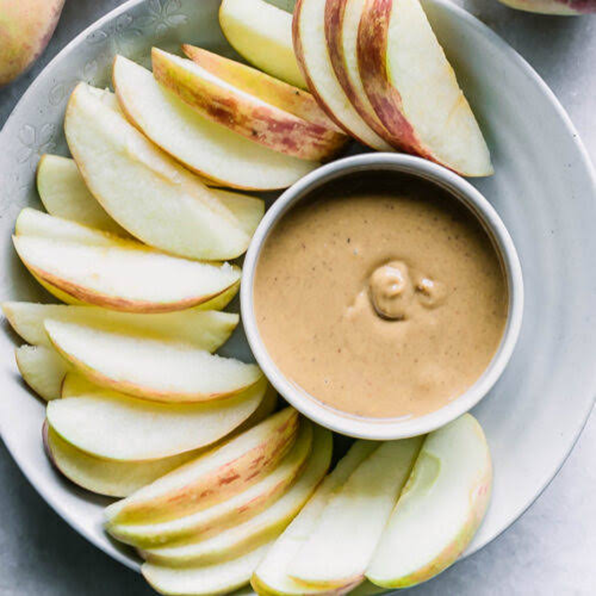
6. Apple with Peanut Butter
A perfect combination of fiber and healthy fats.
7. Banana with Almond Butter
Natural sweetness plus lasting energy.
8. Mixed Berries
Packed with antioxidants and Vitamin C.
9. Orange Slices with Walnuts
Refreshing and satisfying.
10. Frozen Grapes
A naturally sweet treat for warm days.
Vegetable Snacks
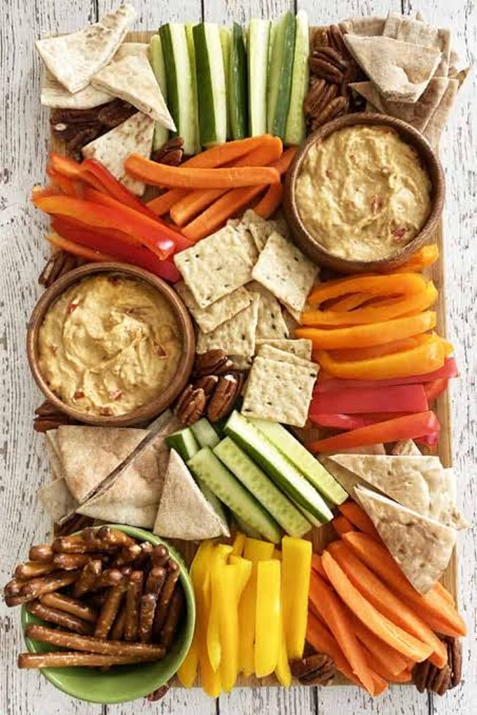
11. Carrot Sticks with Hummus
Crunchy and fiber-rich.
12. Cucumber Slices with Greek Yogurt Dip
Refreshing and low in calories.
13. Bell Pepper Strips
Rich in Vitamin C and naturally sweet.
14. Celery with Peanut Butter
Classic, nutritious, and filling.
15. Cherry Tomatoes with Mozzarella
A Mediterranean-inspired snack.
Nut and Seed Snacks
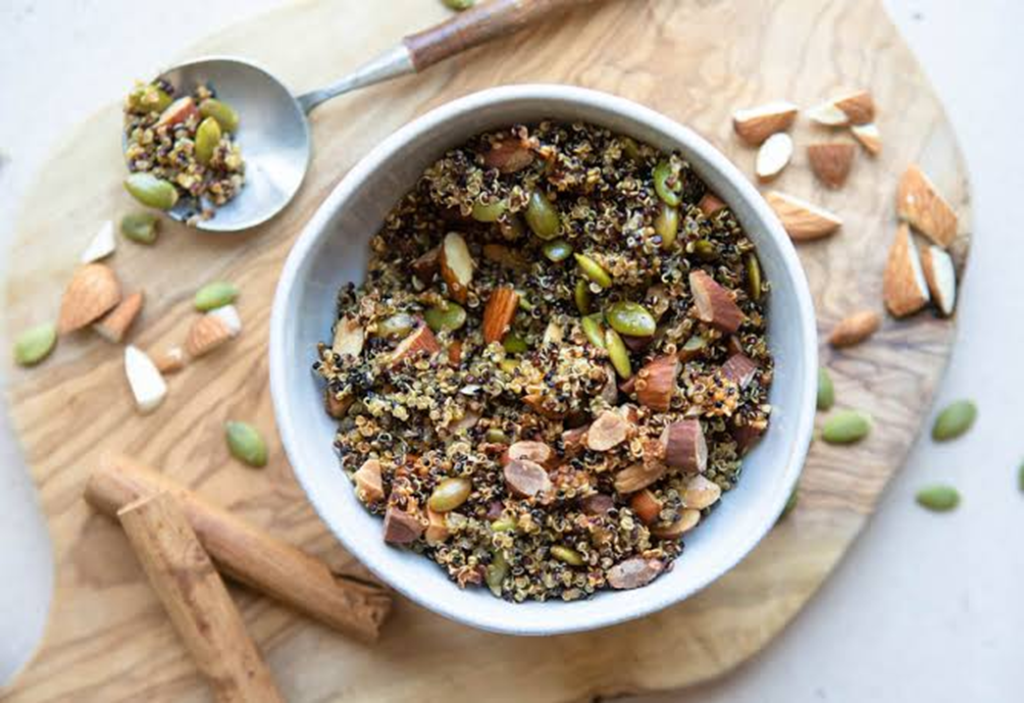
16. Mixed Nuts
Rich in healthy fats and minerals.
17. Pumpkin Seeds
Excellent source of magnesium and zinc.
18. Chia Pudding
Provides fiber and Omega-3 fats.
19. Homemade Trail Mix
Mix nuts, seeds, and a small amount of dried fruit.
20. Almonds and Dark Chocolate
Enjoy a small portion for a satisfying treat.
Whole-Grain Snacks
21. Oatmeal with Cinnamon
A warm snack rich in soluble fiber.
22. Whole-Grain Toast with Avocado
Healthy fats plus fiber.
23. Rice Cakes with Nut Butter
Light but satisfying.
24. Air-Popped Popcorn
A whole grain that’s naturally high in fiber.
Skip excessive butter and salt.
25. Whole-Grain Crackers with Cheese
A balanced combination of carbohydrates and protein.
Healthy Snacks for Different Goals
For Weight Management
Choose snacks rich in protein and fiber, such as:
- Greek yogurt
- Apples with peanut butter
- Boiled eggs
- Roasted chickpeas
For Work or School
Portable options include:
- Mixed nuts
- Fresh fruit
- Whole-grain crackers
- Protein-rich yogurt
Before Exercise
Choose easily digestible carbohydrates with a little protein. Examples:
- Banana
- Oatmeal
- Whole-grain toast
After Exercise
Support recovery with protein and carbohydrates. Examples:
- Greek yogurt with fruit
- Cottage cheese
- Tuna sandwich on whole-grain bread
Common Snacking Mistakes
Avoid these habits:
- Eating directly from large bags
- Snacking while distracted
- Skipping meals and overeating later
- Choosing only sugary snacks
- Mistaking thirst for hunger
Mindful eating can make a big difference.
Meal Prep Tips for Healthy Snacking
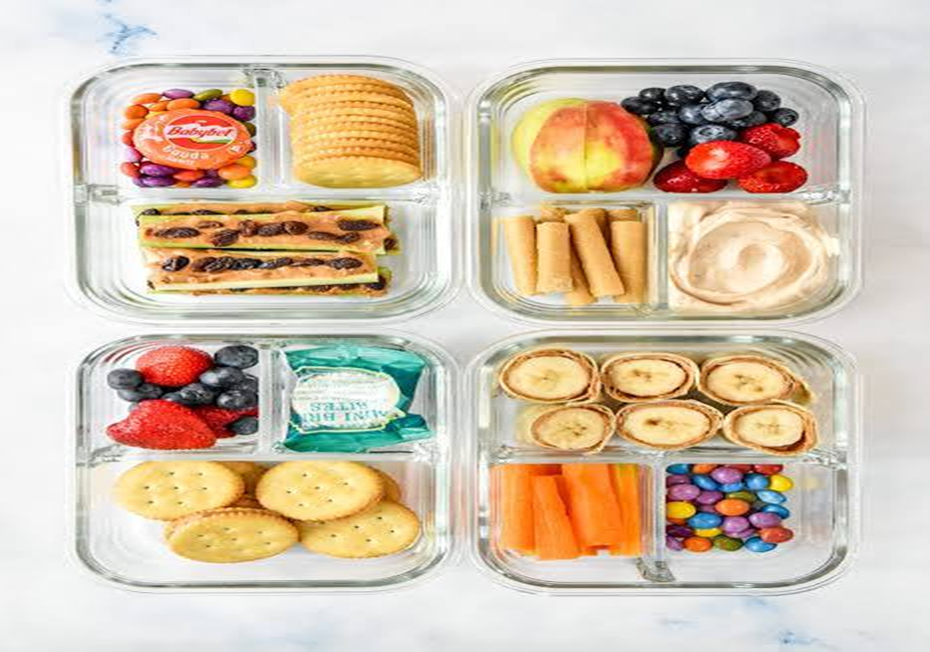
Preparing snacks in advance helps you make healthier choices. Try these ideas:
- Wash and cut vegetables.
- Portion nuts into small containers.
- Boil eggs at the start of the week.
- Prepare overnight chia pudding.
- Freeze smoothie packs.
- Keep fresh fruit visible on the counter.
Sample Healthy Snack Schedule
Mid-Morning
Greek yogurt with blueberries.
Afternoon
Carrot sticks with hummus.
Evening
Apple slices with almond butter if hungry. Remember, snacks should complement your meals—not replace them.
Common Myths About Snacking
Myth: Snacking always causes weight gain.
Fact: Healthy snacks can help control hunger and support balanced eating.
Myth: Fruit contains too much sugar.
Fact: Whole fruit contains fiber, vitamins, minerals, and natural sugars that are part of a healthy diet.
Myth: You should never eat after 8 PM.
Fact: What you eat and your total daily intake matter more than the clock. A light, nutritious evening snack can fit into a healthy eating pattern if you’re genuinely hungry.
Myth: Low-fat snacks are always healthier.
Fact: Many low-fat products contain added sugars. Healthy fats from nuts, seeds, and avocados can be part of a balanced diet.
Frequently Asked Questions
Is it okay to snack every day?
Yes. Healthy snacks can be part of a balanced diet, especially if you have long gaps between meals or increased energy needs.
How many snacks should I eat?
It depends on your hunger, activity level, and meal schedule. Some people prefer three meals, while others benefit from one or two planned snacks.
What’s the healthiest snack?
There isn’t one perfect snack. A combination of protein, fiber, and healthy fats—such as Greek yogurt with berries or an apple with peanut butter—is a nutritious choice.
Can healthy snacks help with weight management?
Yes. Planned, nutrient-dense snacks may reduce excessive hunger and make it easier to avoid overeating during meals.
Final Thoughts
Healthy snacking isn’t about strict rules or eliminating your favorite treats. It’s about making thoughtful choices that fuel your body, satisfy your hunger, and support your overall well-being. By choosing snacks rich in protein, fiber, and healthy fats, you can enjoy steady energy, better concentration, improved nutrition, and fewer cravings throughout the day.
Remember, every snack is an opportunity to nourish your body. Small choices made consistently can have a lasting impact on your health. At Everyday Wellness, we believe that healthy living doesn’t require perfection—it begins with simple, balanced decisions made every day.
Key Takeaways
- Healthy snacks can improve energy, focus, and appetite control.
- Combine protein, fiber, and healthy fats for lasting fullness.
- Plan and prepare snacks ahead of time to avoid unhealthy choices.
- Listen to your body’s hunger cues instead of eating out of boredom or stress.
- Consistency and balance matter more than perfection.
You might also like
Ultra-Processed Foods Explained: Should You Really Avoid Them?
📋 Table of Contents 1. Unprocessed or Minimally Processed Foods 2. Processed Culinary Ingredients 3. Processed…

Is Sitting Really the New Smoking? What Too Much Sitting Does to Your Body
📋 Table of Contents Here's what the science says: Your Muscles Become Less Active Blood Flow…
What Happens to Your Body When You Quit Added Sugar for 30 Days? A Science-Backed Guide
📋 Table of Contents Natural Sugars Added Sugars Blood Sugar Fluctuations Habits Emotional Eating Food Environment…