
How to Build Healthy Eating Habits That Actually Last
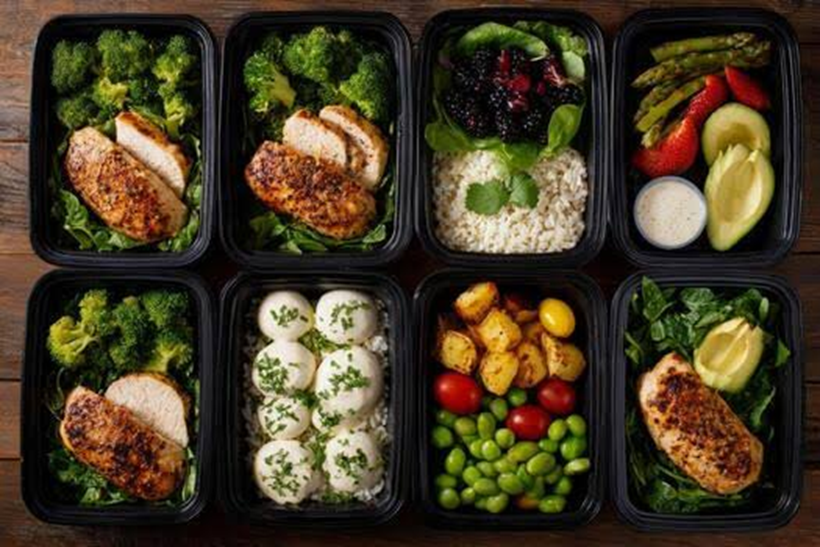
Stop Dieting, Start Creating Habits That Transform Your Health
Every year, millions of people promise themselves they’ll eat healthier. They start strict diets, eliminate favorite foods, count every calorie, and spend hours planning “perfect” meals.
A few weeks later, life gets busy. Motivation fades, cravings return, and old habits slowly creep back in. If this sounds familiar, you’re not alone.
The problem isn’t a lack of willpower—it’s that lasting health isn’t built on short-term diets. It’s built on sustainable daily habits. Healthy eating isn’t about perfection, deprivation, or following the latest nutrition trend. It’s about making realistic choices that you can maintain for years, not just a few weeks.
In this comprehensive guide, you’ll learn how to build healthy eating habits that actually last, why small changes are more powerful than extreme diets, and practical strategies to make healthy eating a natural part of your lifestyle.
Why Most Diets Fail

Many diets promise rapid results. Examples include:
- Crash diets
- Juice cleanses
- Very low-calorie plans
- “No-carb” challenges
- Detox programs
- Extreme fasting routines
Although these approaches may produce short-term weight loss, they’re often difficult to maintain. Common reasons diets fail include:
- Unrealistic restrictions
- Constant hunger
- Food guilt
- Social limitations
- Nutrient deficiencies
- Burnout
- Loss of motivation
Healthy habits, on the other hand, are designed to fit into everyday life.
What Are Healthy Eating Habits?
Healthy eating habits are consistent behaviors that support your nutritional needs while remaining enjoyable and sustainable.
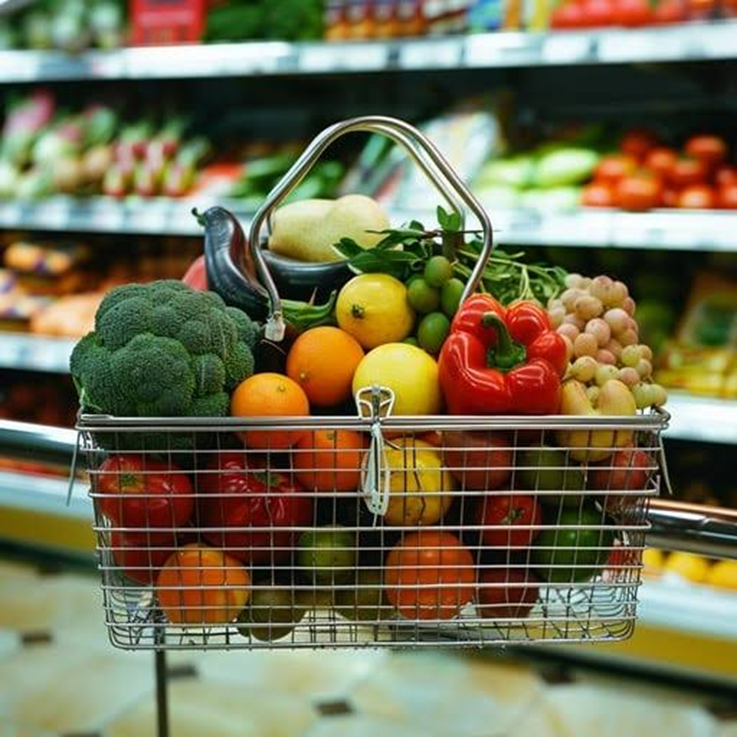
Rather than focusing on perfection, they emphasize:
- Balance
- Variety
- Moderation
- Consistency
The goal is to nourish your body—not punish it.
Why Habits Matter More Than Motivation
Motivation comes and goes. Habits stay. When healthy choices become automatic, they require less mental effort and are easier to maintain, even during busy or stressful times. Small actions repeated daily create meaningful long-term results.
12 Healthy Eating Habits That Actually Last
1. Never Skip Breakfast If You’re Hungry
A balanced breakfast can provide energy and help you feel satisfied throughout the morning. Choose meals that include:
- Protein
- Whole grains
- Healthy fats
- Fruit
Examples include:
- Greek yogurt with berries
- Oatmeal with nuts
- Eggs with whole-grain toast
2. Fill Half Your Plate with Vegetables
Vegetables are rich in:
- Fiber
- Vitamins
- Minerals
- Antioxidants
Aim to include colorful vegetables at both lunch and dinner. The more variety, the better.
3. Include Protein in Every Meal
Protein helps:
- Keep you full longer
- Support muscles
- Stabilize appetite
- Maintain energy
Good options include:
- Eggs
- Fish
- Chicken
- Beans
- Lentils
- Tofu
- Greek yogurt
4. Choose Whole Grains More Often
Replace refined grains with:
- Brown rice
- Oats
- Whole-wheat bread
- Quinoa
- Barley
Whole grains provide more fiber and nutrients.
5. Drink More Water

Many people confuse thirst with hunger. Keep a reusable water bottle nearby and drink regularly throughout the day. Water also supports:
- Digestion
- Kidney function
- Energy levels
6. Eat Mindfully
Mindful eating means paying attention to your food without distractions.
Try to:
- Eat slowly
- Chew thoroughly
- Notice hunger and fullness cues
- Avoid eating while scrolling on your phone
This can improve satisfaction and reduce overeating.
7. Plan Your Meals
Healthy choices become easier when you prepare ahead.
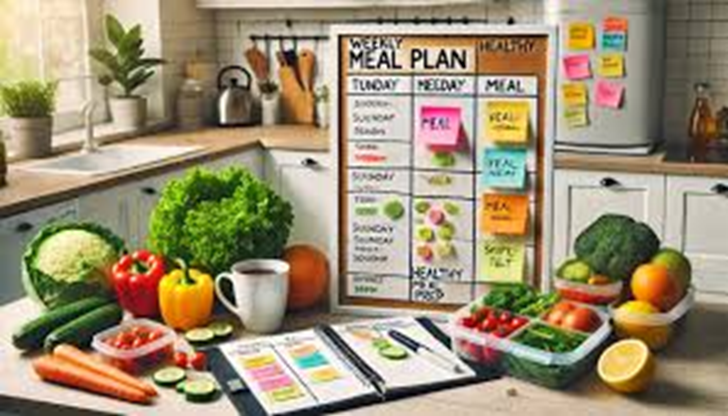
Each week:
- Plan meals
- Make a shopping list
- Prep ingredients
- Cook extra portions for busy days
Meal planning saves both time and money.
8. Keep Healthy Snacks Available
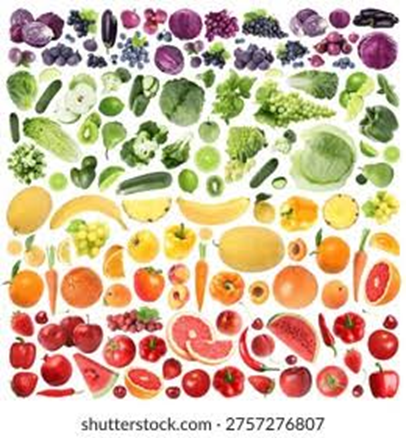
Replace highly processed snacks with:
- Fruit
- Mixed nuts
- Greek yogurt
- Hummus with vegetables
- Roasted chickpeas
Healthy snacks make it easier to avoid impulse eating.
9. Don’t Label Foods as “Good” or “Bad”
Viewing foods as completely “good” or “bad” can create unnecessary guilt. Instead, think in terms of balance. Enjoy nutritious foods most of the time while allowing room for occasional treats.
10. Practice Portion Awareness
Healthy eating isn’t only about what you eat—it also includes how much. Simple strategies include:
- Using smaller plates
- Serving food before sitting down
- Avoiding eating directly from large packages
11. Eat More Home-Cooked Meals
Cooking at home gives you more control over:
- Ingredients
- Portion sizes
- Added sugar
- Sodium
- Healthy fats
Even preparing just a few more meals each week can make a difference.
12. Be Consistent, Not Perfect
Missing one healthy meal doesn’t ruin your progress. Long-term success comes from consistently making balanced choices—not from trying to eat perfectly every day.
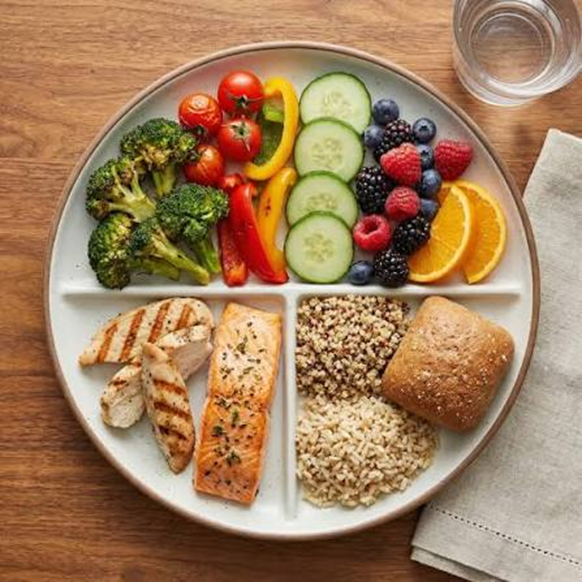
Build a Balanced Plate
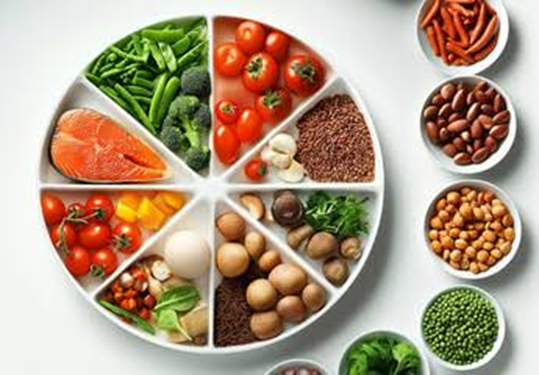
A simple way to create nutritious meals is to divide your plate into sections.
Half the Plate
- Vegetables
- Salad
One Quarter
- Lean protein
One Quarter
- Whole grains or starchy vegetables
Add a small serving of healthy fats, such as avocado, nuts, or olive oil.
Healthy Grocery Shopping Tips
Planning begins at the grocery store.
Smart Shopping Habits
- Make a shopping list.
- Shop after eating, not when hungry.
- Choose seasonal produce.
- Read nutrition labels.
- Buy frozen vegetables for convenience.
- Keep healthy pantry staples on hand.
Common Mistakes That Make Healthy Eating Harder
Avoid these common pitfalls:
- Skipping meals
- Keeping unhealthy snacks within easy reach
- Drinking sugary beverages regularly
- Following extreme diets
- Eating too quickly
- Shopping without a plan
- Expecting instant results
Remember, progress is gradual.
Simple Habit Changes That Add Up
Small improvements can have a lasting impact.
Try:
- Adding one extra serving of vegetables daily.
- Replacing sugary drinks with water.
- Choosing fruit instead of dessert a few times each week.
- Cooking one additional meal at home.
- Eating without screens.
These habits may seem small, but consistency makes them powerful.
Sample One-Day Healthy Eating Plan
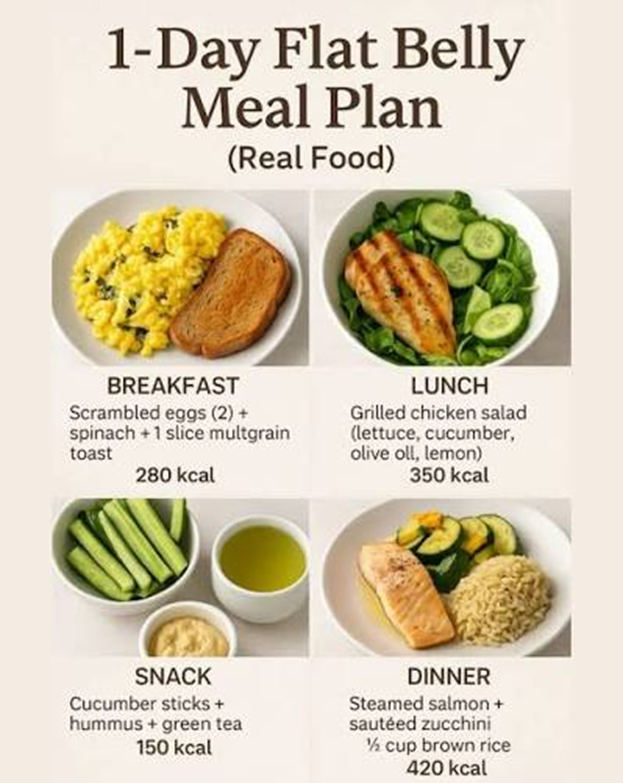
Breakfast
Oatmeal topped with blueberries, walnuts, and chia seeds.
Morning Snack
Apple with peanut butter.
Lunch
Grilled chicken, quinoa, and mixed vegetables.
Afternoon Snack
Greek yogurt with berries.
Dinner
Baked salmon, roasted broccoli, and brown rice.
Evening
Herbal tea and a handful of almonds if hungry.
Common Myths About Healthy Eating
Myth: Healthy eating is expensive.
Fact: Beans, lentils, oats, frozen vegetables, and seasonal produce are affordable and nutritious.
Myth: You must eliminate all treats.
Fact: Enjoying favorite foods occasionally can be part of a balanced eating pattern.
Myth: Healthy food is boring.
Fact: Herbs, spices, healthy sauces, and diverse ingredients make nutritious meals flavorful and enjoyable.
Myth: One unhealthy meal ruins your progress.
Fact: Overall eating patterns matter much more than any single meal.
Frequently Asked Questions
How long does it take to build a healthy eating habit?
The time varies from person to person. The key is consistency rather than speed. Repeating small healthy behaviors regularly helps them become part of your routine.
Is meal prepping necessary?
No, but it can make healthy eating much easier by reducing decision fatigue and helping you avoid last-minute unhealthy choices.
Can I eat dessert and still eat healthy?
Yes. A balanced eating pattern allows room for occasional treats. Moderation is more sustainable than strict restriction.
What’s the most important healthy eating habit?
There isn’t one single habit that’s most important. Consistently eating a variety of whole foods, including vegetables, fruits, lean proteins, whole grains, and healthy fats, has the greatest long-term impact.
Final Thoughts
Healthy eating isn’t about chasing perfection or following the latest diet trend. It’s about building simple habits that fit your lifestyle and support your health every day. Small, consistent choices—drinking more water, eating more vegetables, planning meals, and enjoying balanced portions—can lead to meaningful improvements over time.
Remember, lasting wellness isn’t created by dramatic changes. It’s built through the everyday decisions you make at breakfast, lunch, dinner, and every snack in between.
At Everyday Wellness, we believe that the healthiest lifestyle is one you can actually enjoy and maintain. Build habits, not restrictions—and let those habits become the foundation of lifelong health.
Key Takeaways
- Sustainable habits are more effective than short-term diets.
- Focus on balance, variety, and consistency rather than perfection.
- Include vegetables, lean proteins, whole grains, and healthy fats in your meals.
- Meal planning, mindful eating, and hydration support long-term success.
- Small daily improvements create lasting health benefits.
You might also like
Ultra-Processed Foods Explained: Should You Really Avoid Them?
📋 Table of Contents 1. Unprocessed or Minimally Processed Foods 2. Processed Culinary Ingredients 3. Processed…

Is Sitting Really the New Smoking? What Too Much Sitting Does to Your Body
📋 Table of Contents Here's what the science says: Your Muscles Become Less Active Blood Flow…
What Happens to Your Body When You Quit Added Sugar for 30 Days? A Science-Backed Guide
📋 Table of Contents Natural Sugars Added Sugars Blood Sugar Fluctuations Habits Emotional Eating Food Environment…